Miami-Dade County has unveiled a large-scale public transportation plan to handle the crush of visitors expected when the FIFA World Cup 2026 comes to South Florida, deploying nearly 200 buses and extending rail service hours to keep fans moving safely throughout the tournament.
What is Miami-Dade's transit plan for World Cup match days?
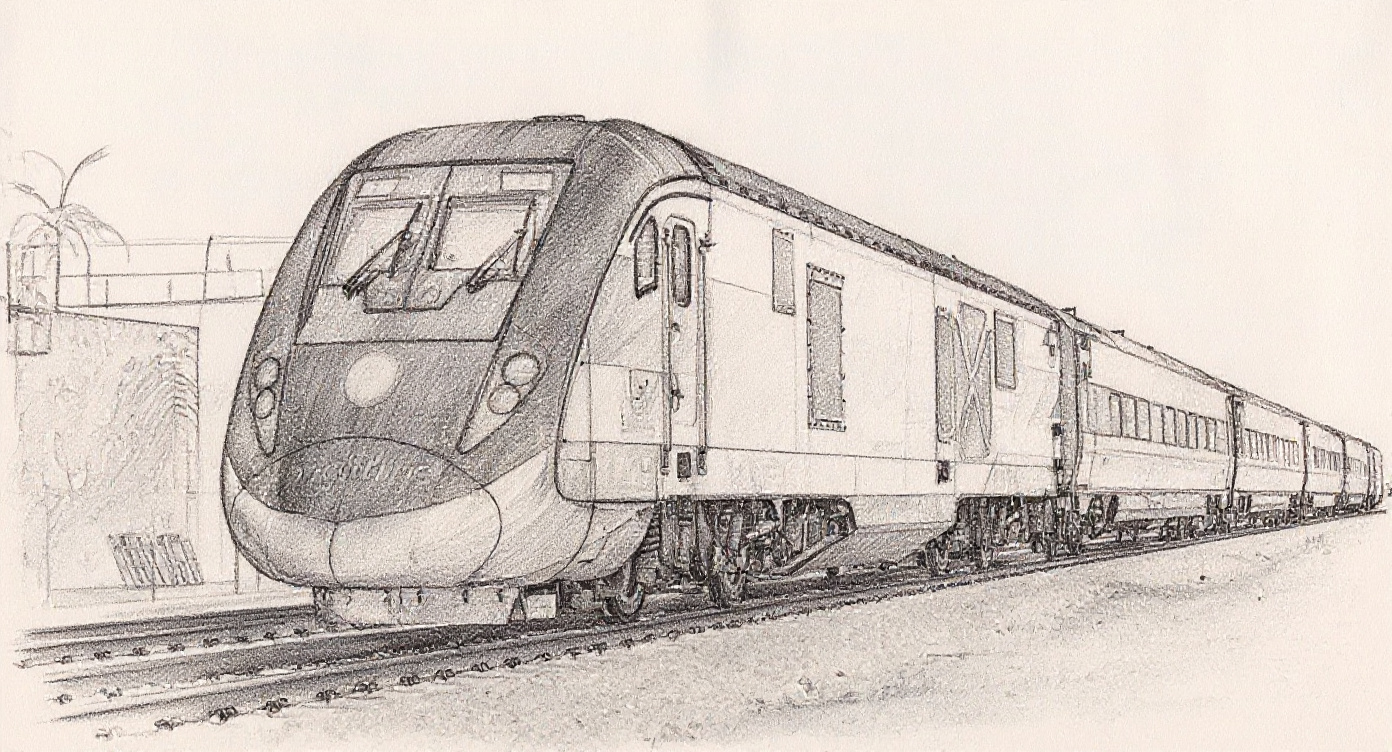
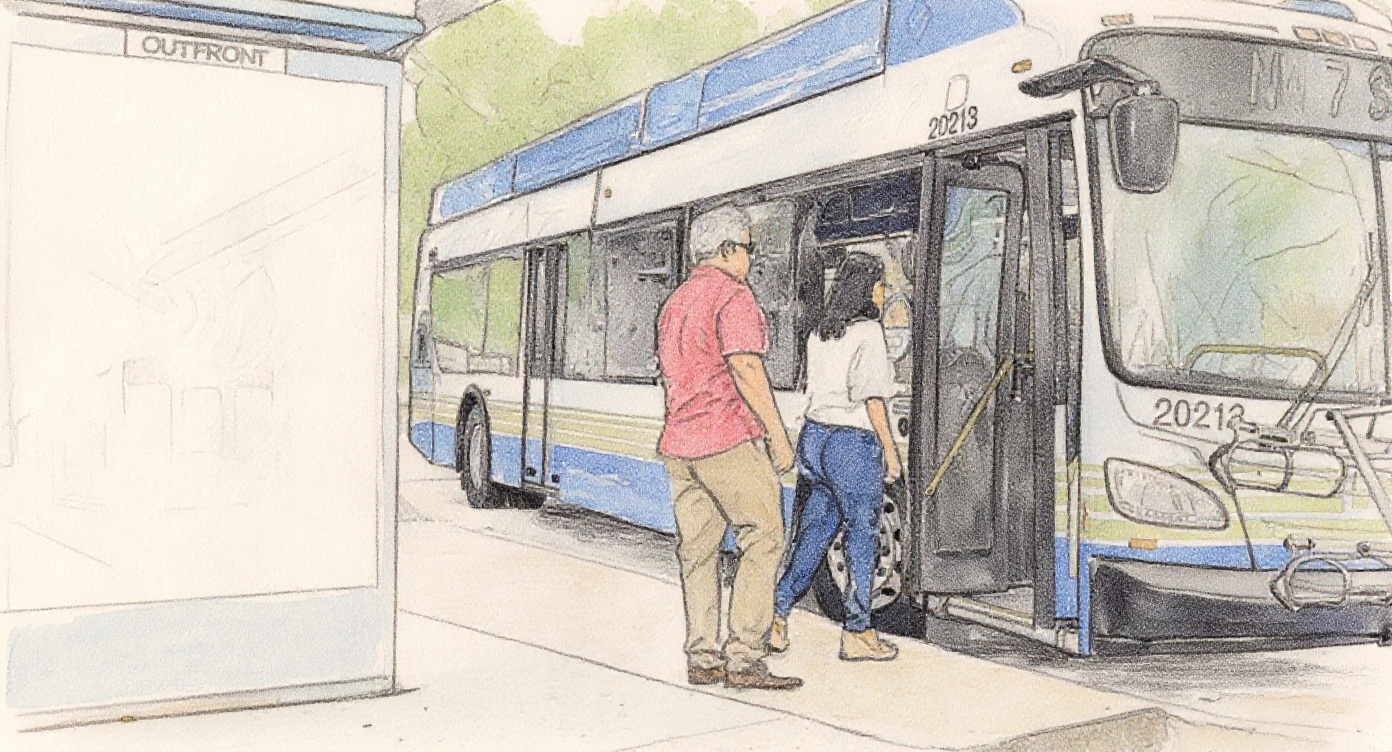
Free Game Day Express shuttle routes will connect four regional transit hubs — among them the Brightline Aventura Station — directly to Miami Stadium on each of the seven match days. The express service is designed to reduce vehicle traffic around the stadium and give fans a reliable, no-cost alternative to driving into what officials anticipate will be an extremely congested area.
- Regular Metrorail, Metromover, and Metrobus schedules will continue operating without interruption on match days.
- Four regional hub locations are intended to distribute pressure by giving fans a local staging point before boarding express shuttles.
- Brightline Aventura Station allows visitors traveling by intercity rail from Orlando or Fort Lauderdale to connect into the county's match-day transit network.
How will the county handle Fan Fest crowds at Bayfront Park?
Miami-Dade County is extending Metromover service until 1 a.m. to accommodate crowds attending Fan Fest events at Bayfront Park in Downtown Miami. The elevated people-mover, which loops through the downtown core free of charge, is expected to be a primary way fans travel between the festival grounds and nearby hotels, restaurants, and transit connections.
- Fan Fest spans 23 days and could draw more than 600,000 visitors to the region.
- Extended Metromover hours may offer a practical benefit for residents and daily commuters in Downtown Miami and surrounding neighborhoods.
Why does the scale of this plan matter?
Miami-Dade officials estimate the Fan Fest alone could draw more than 600,000 visitors, a figure that does not account for the additional foot traffic generated by the matches themselves, putting enormous pressure on a transit network that will need to perform reliably across multiple simultaneous venues and event types. Transportation planners say the combination of express shuttles, extended rail hours, and uninterrupted regular service is meant to offer flexibility for fans with widely varying schedules and starting points.
- The approach mirrors strategies used in other World Cup host cities, where multi-modal transit coordination has proven essential to managing stadium-scale crowds.
This story was originally reported by WUSF.