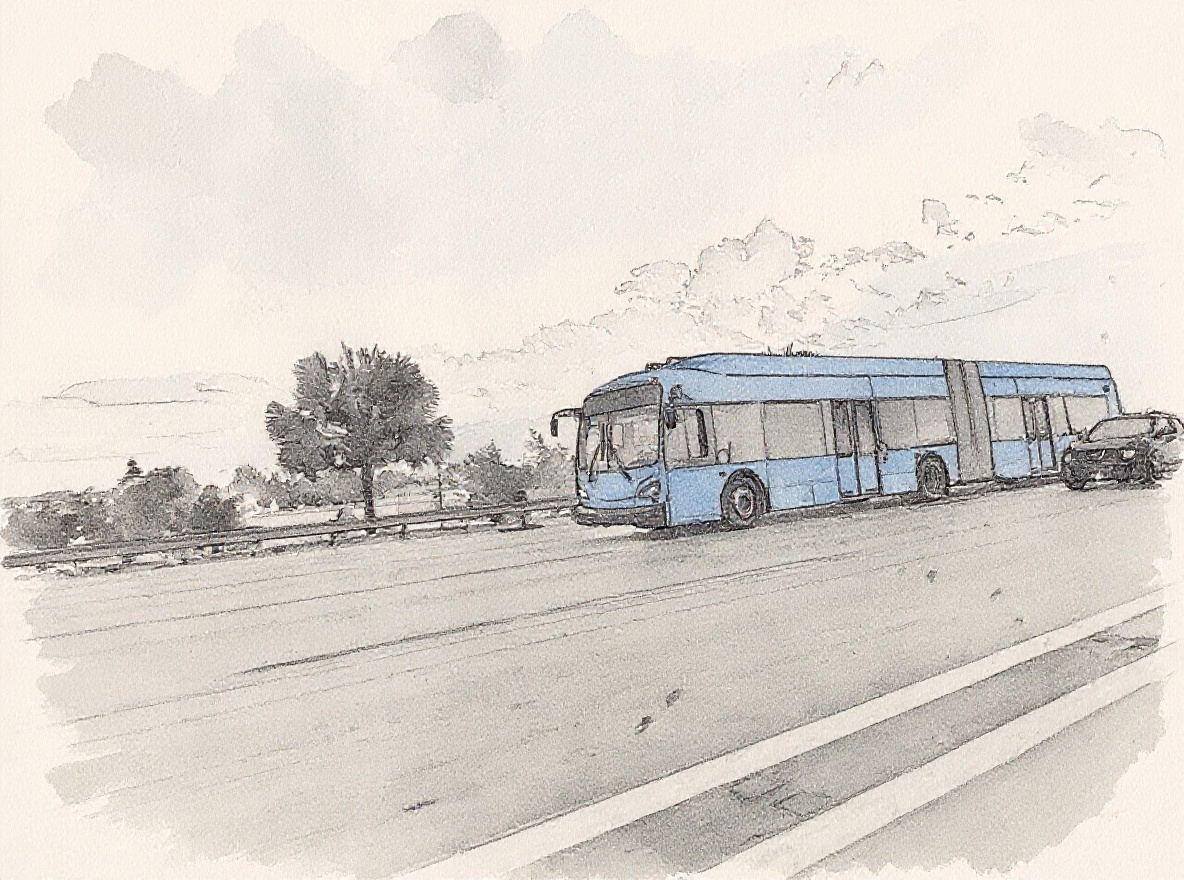
Miami-Dade's newest transit line is defying a systemwide slump: the South Dade Metro Express Bus Rapid Transit (BRT) corridor has grown its ridership nearly every month since opening, reaching 154,190 trips in April 2026, even as Metrorail, Metromover, and Metrobus all posted year-over-year losses during the same period.
How fast is South Dade BRT ridership growing?
The South Dade Metro Express BRT climbed from 126,576 trips in November 2025 to 154,190 trips in April 2026, a gain of more than 27,000 boardings over roughly five months. The $368 million corridor — Miami-Dade County's flagship Bus Rapid Transit investment — has added passengers in nearly every month since its launch, signaling that commuters in the southern reaches of the county are embracing the service. To keep pace with demand, Miami-Dade Transit opened a new park-and-ride lot at the 168th Street station in April 2026, expanding the capacity for drivers who want to leave their cars and board the BRT.
Why are Metrorail, Metromover, and Metrobus losing riders?
Metrorail posted a 1.1% drop in boardings in April 2026 compared with April 2025, while Metromover fell a steeper 4.6% over the same year-over-year period, and Metrobus slipped 0.8%. The Metrobus decline is particularly notable because it is not a recent development: ridership on Miami-Dade's bus network began sliding as far back as October 2024, suggesting a structural shift in how riders are choosing to move around the county rather than a temporary fluctuation. Miami-Dade Transit has not publicly attributed the losses to a single cause.
What does the BRT's growth mean for South Miami-Dade commuters?
For residents in communities along the South Dade corridor, the ridership trend suggests the BRT is filling a genuine transportation gap that older parts of the Miami-Dade Transit system have not addressed. The addition of park-and-ride infrastructure at the 168th Street station in April 2026 indicates that the county is actively investing to sustain the momentum, rather than treating early adoption as a ceiling. Whether the BRT can continue growing through the humid summer months — historically softer for transit across South Florida — will be an early test of whether the line has built a loyal commuter base or is still riding an opening-year novelty wave.
What should riders and policymakers watch next?
Miami-Dade Transit will face pressure to explain the diverging performance across its portfolio, particularly the sustained Metrobus decline that predates the BRT's launch by more than a year. Advocates for low-income riders — who depend disproportionately on local bus service — will likely scrutinize whether resources are flowing toward a corridor that serves park-and-ride suburbanites at the expense of the traditional bus network. Summer 2026 ridership figures, expected in the coming months, will offer the clearest picture yet of whether the BRT's gains are durable.
Original reporting by Miami Today.