Brightline is carrying more passengers than ever before, and that may not be enough to save it.
How fast is Brightline's ridership growing?
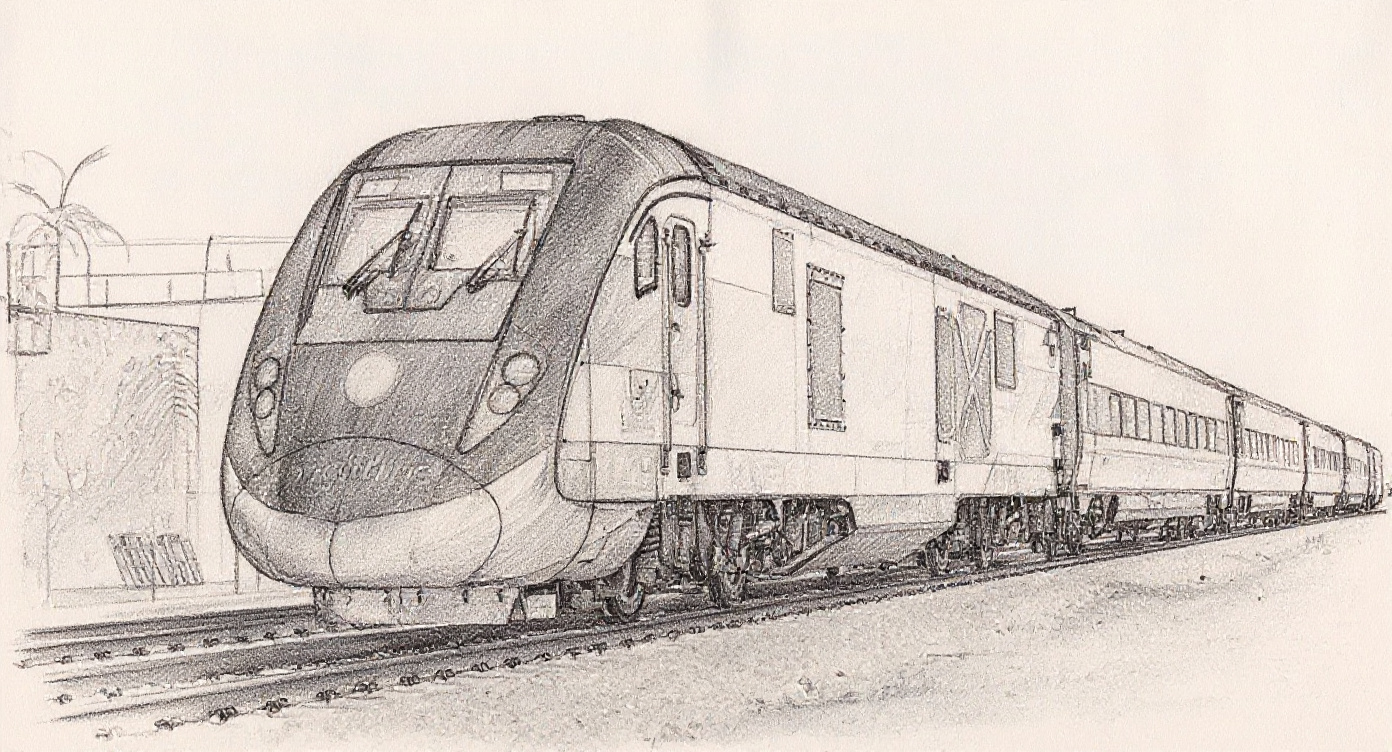
Brightline transported nearly 1.5 million riders between January and May 2026, a 16% jump over the same five-month stretch in 2025 and a 27% increase compared to the equivalent period in 2024. The growth has been fueled in part by the deployment of expanded 10-car trainsets on the flagship Miami–Orlando corridor, giving the railroad more capacity to move passengers up and down Florida's congested I-4 and Turnpike corridors.
- Nearly 1.5 million riders carried January–May 2026
- 16% increase over the same five months in 2025
- 27% increase over the equivalent period in 2024
- Growth driven by expanded 10-car trainsets on the Miami–Orlando corridor
Why are Brightline's auditors raising alarms despite record ridership?
Revenues from ticket sales and ancillary services have consistently failed to cover the combined weight of operating costs and debt interest payments, according to the company's May 2026 revenue report, and Brightline's own auditors have formally flagged "substantial doubt" about the company's ability to maintain adequate liquidity through 2027. An auditor's going-concern notation is a technical signal that a company's financial foundation is shaky enough that its ability to continue normal operations cannot be assumed — a designation that can rattle bondholders, lenders, and potential partners alike.
- Ticket sales and ancillary services — food, beverage, and onboard amenities — fall short of covering costs
- Auditors issued a formal going-concern notation
- "Substantial doubt" flagged over liquidity through 2027
What does Brightline's financial crisis mean for Miami-Dade commuters?
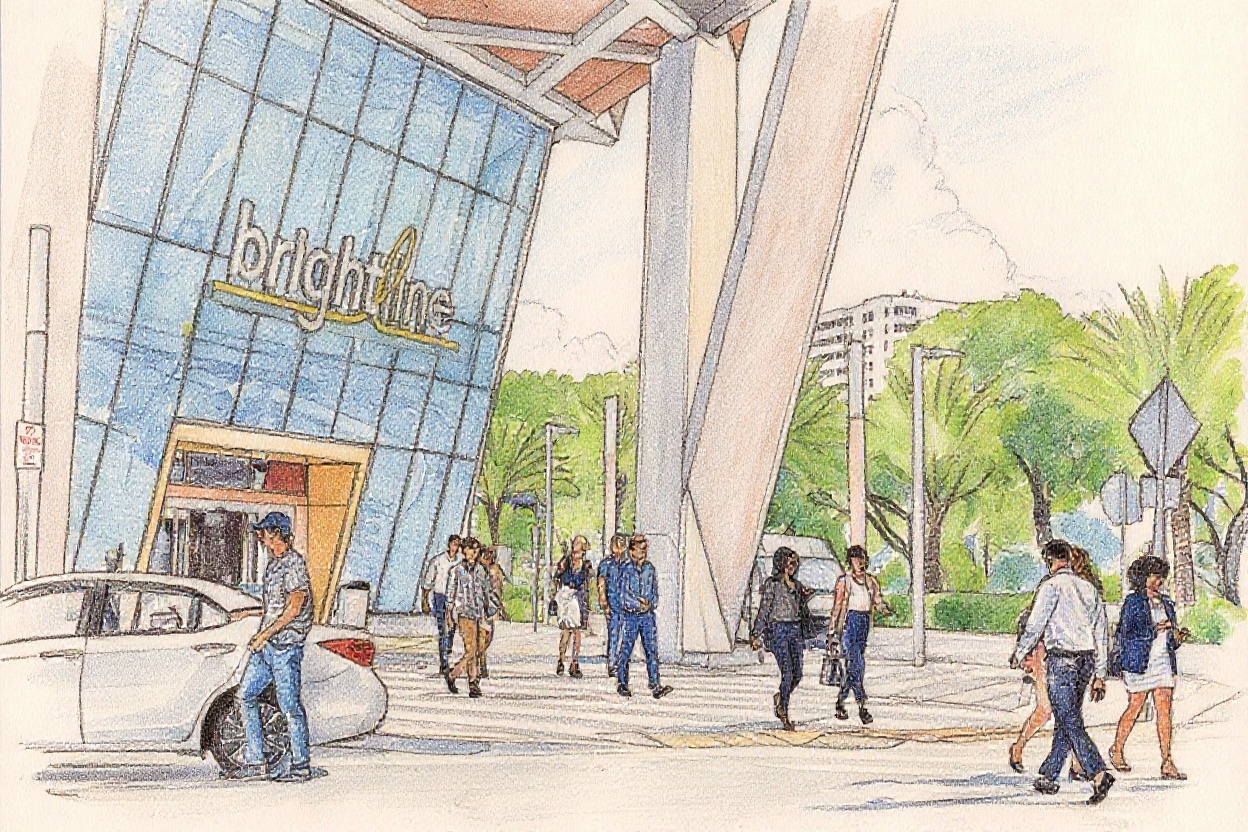
For Miami-Dade residents and commuters, the stakes are particularly high: Brightline's MiamiCentral station in downtown Miami serves as the southern anchor of the entire network, connecting South Florida riders to Fort Lauderdale, West Palm Beach, and Orlando. Any interruption in service — or worse, a bankruptcy restructuring that delays or curtails operations — would remove one of the region's few alternatives to highway travel.
- MiamiCentral station anchors Brightline's southern end in downtown Miami
- Network connects South Florida to Fort Lauderdale, West Palm Beach, and Orlando
- Brightline has not publicly outlined a plan to close its revenue gap or address auditors' concerns
- No indication of whether additional financing, a strategic partnership, or restructuring options are being explored
What does Brightline's situation reveal about the economics of private passenger rail?
Brightline's situation reflects a tension that has followed the company since its founding: the difference between building a ridership base and building a profitable business. More people riding the trains does not automatically translate to financial stability if the underlying cost structure remains out of alignment with what the market will bear in fares.
Original reporting on Brightline's ridership figures and financial disclosures was published by Smart Cities Dive.