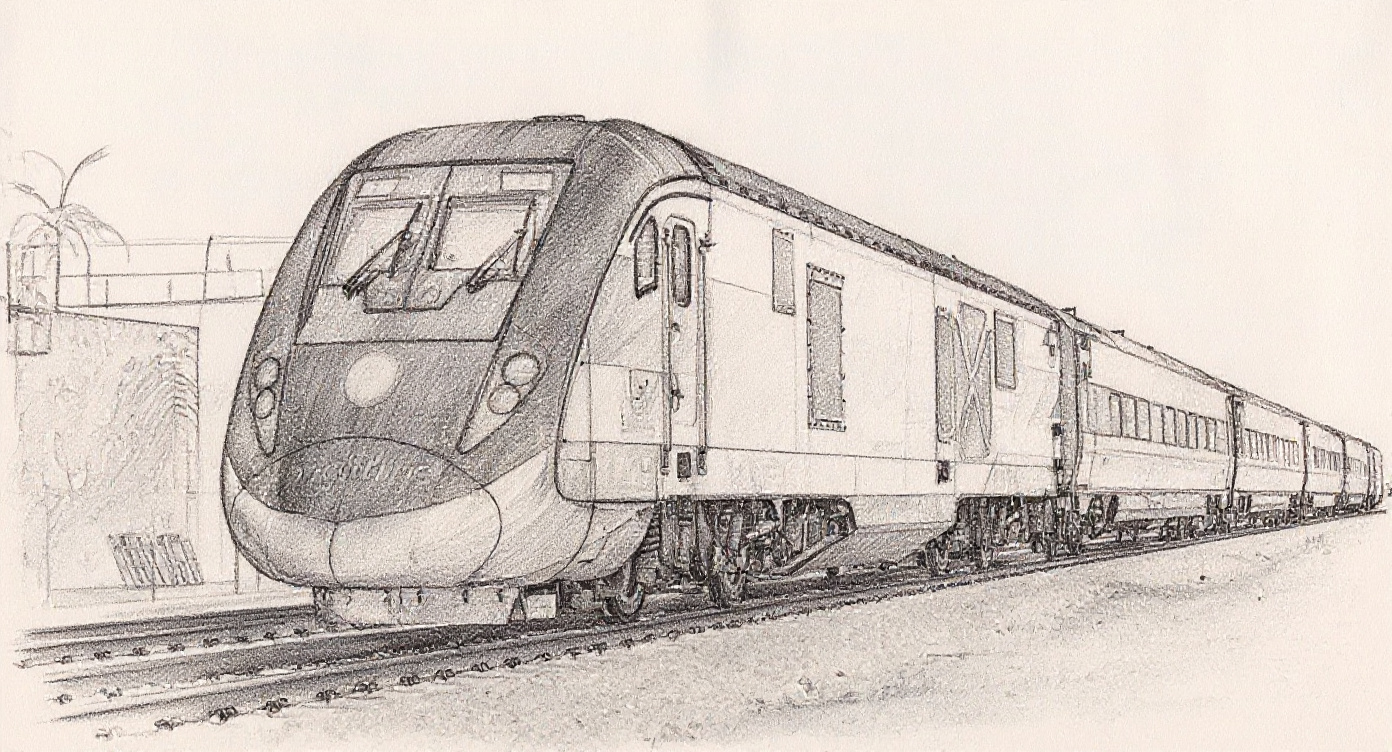
Brightline Florida narrowly avoided a default on its debt obligations this month, scraping together enough cash from reserves to cover two tranches of bond payments due July 1 while persuading holders of a separate $985 million commuter-bond tranche to grant a two-week grace period, according to reporting by the Bond Buyer.
What is Brightline's current financial position?
After meeting its July 1 debt-service obligations, Brightline's available liquidity is projected to shrink to approximately $16 million by the end of July — a razor-thin cushion for an operation that runs intercity rail service between Miami and Orlando and has long harbored ambitions of further expansion along the Florida corridor.
- Two tranches of bond payments were covered using cash from reserves.
- A separate $985 million commuter-bond tranche received a two-week grace period from holders.
- Municipal bond market observers widely anticipate the company will soon be forced into a debt restructuring or bankruptcy filing.
What led Brightline to this point?
Brightline launched its Miami-to-Orlando service in 2023 after years of construction delays and cost overruns, positioning itself as the only privately operated intercity passenger railroad in the United States, and the company relies heavily on fare revenue without the federal operating subsidies that prop up public transit systems.
- Ridership revenue has apparently failed to keep pace with the company's substantial debt load.
- The financially aggressive model has grown increasingly precarious as obligations have mounted.
What does this mean for Downtown Miami and MiamiCentral?
For Downtown Miami, where Brightline anchors its southern terminus at MiamiCentral, any prolonged financial or operational disruption would ripple outward to commuters, tourists, and the businesses that have grown up around that corridor.
- MiamiCentral serves as a transit hub connecting riders to Tri-Rail, Metrorail, and the free Metromover circulator.
- The station sits at the center of a broader mixed-use development that has reshaped several blocks north of the urban core.
What options does Brightline have before mid-July?
The two-week extension on the $985 million tranche gives Brightline's leadership only until mid-July to find a longer-term solution — whether that means negotiating a broader restructuring with bondholders, securing new financing, or pursuing some form of bankruptcy protection that would allow operations to continue while debts are reorganized.
- Historically, transportation companies have sometimes maintained operations through bankruptcy.
- Outcomes vary widely depending on the terms creditors are willing to accept and whether a buyer or new capital source emerges.
- Riders and Downtown Miami stakeholders will be watching closely in the coming weeks as the company's self-imposed clock runs down.
The original reporting on Brightline's debt situation was published by the Bond Buyer.