West Palm Beach is about to prove that a mid-sized, fast-growing city doesn't need to wait for a billion-dollar rail line to give its residents genuinely useful transit — and the rest of South Florida should pay close attention.
West Palm Move Is Rewriting What a City Transit Service Can Be
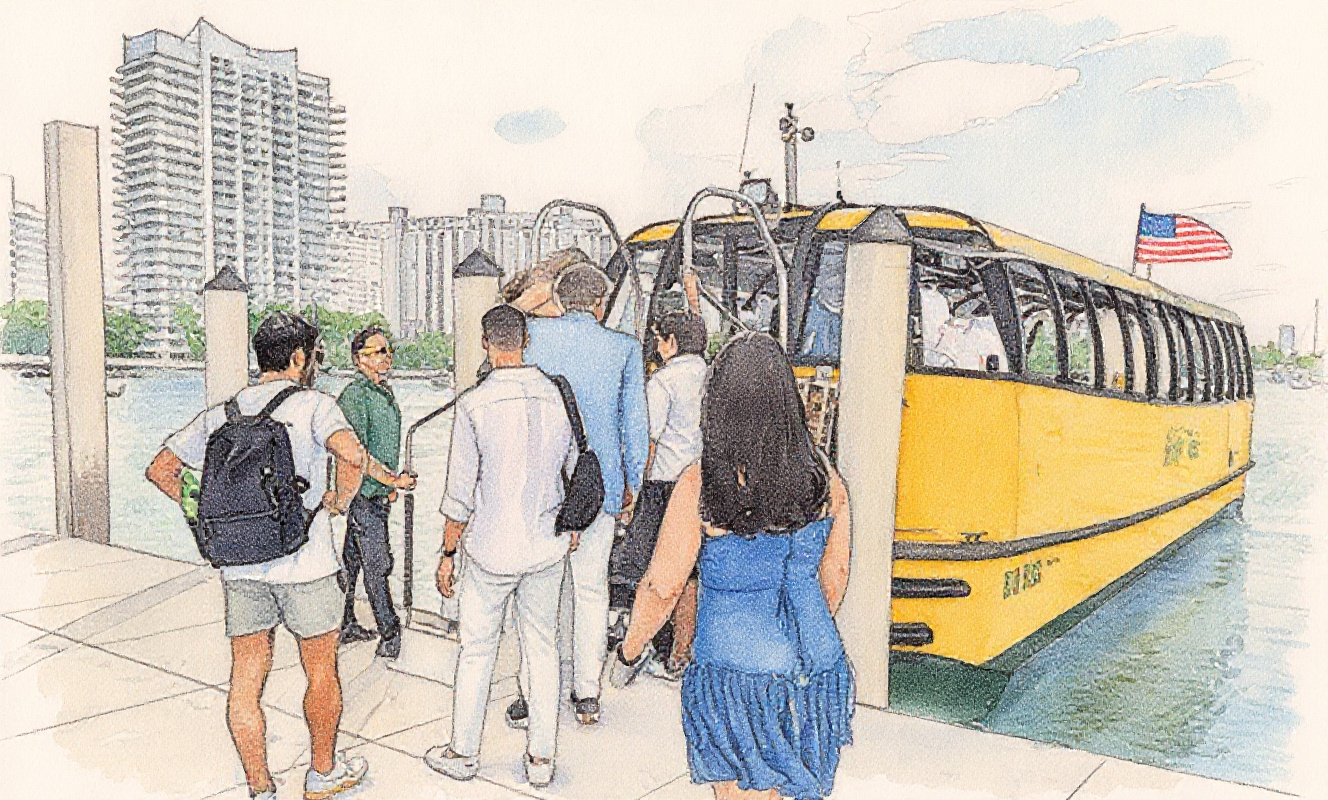
West Palm Beach's incoming West Palm Move service, expected to launch in late August or early September 2026, pairs a low-cost fixed-route mini-bus network with a contractually guaranteed on-demand ride layer operated by transportation technology company Via. The design is genuinely novel: not a trolley, not a subsidized Uber, but a deliberate hybrid that uses each mode where it performs best. City leaders have described it as "unlike anything that you've seen anywhere in the country" — and the specifics back that up.
- Fixed-route one-way fare: $1, half the price of Palm Tran's standard fare
- On-demand one-way fare: $2 for any trip originating east of Interstate 95
- Contractual wait-time ceiling: 10 minutes on fixed routes, 15 minutes on demand
- Initial fixed route: Norton Museum of Art (south side) through downtown to Northwood Village (north end), with a Palm Beach Lakes Boulevard east-west route to follow
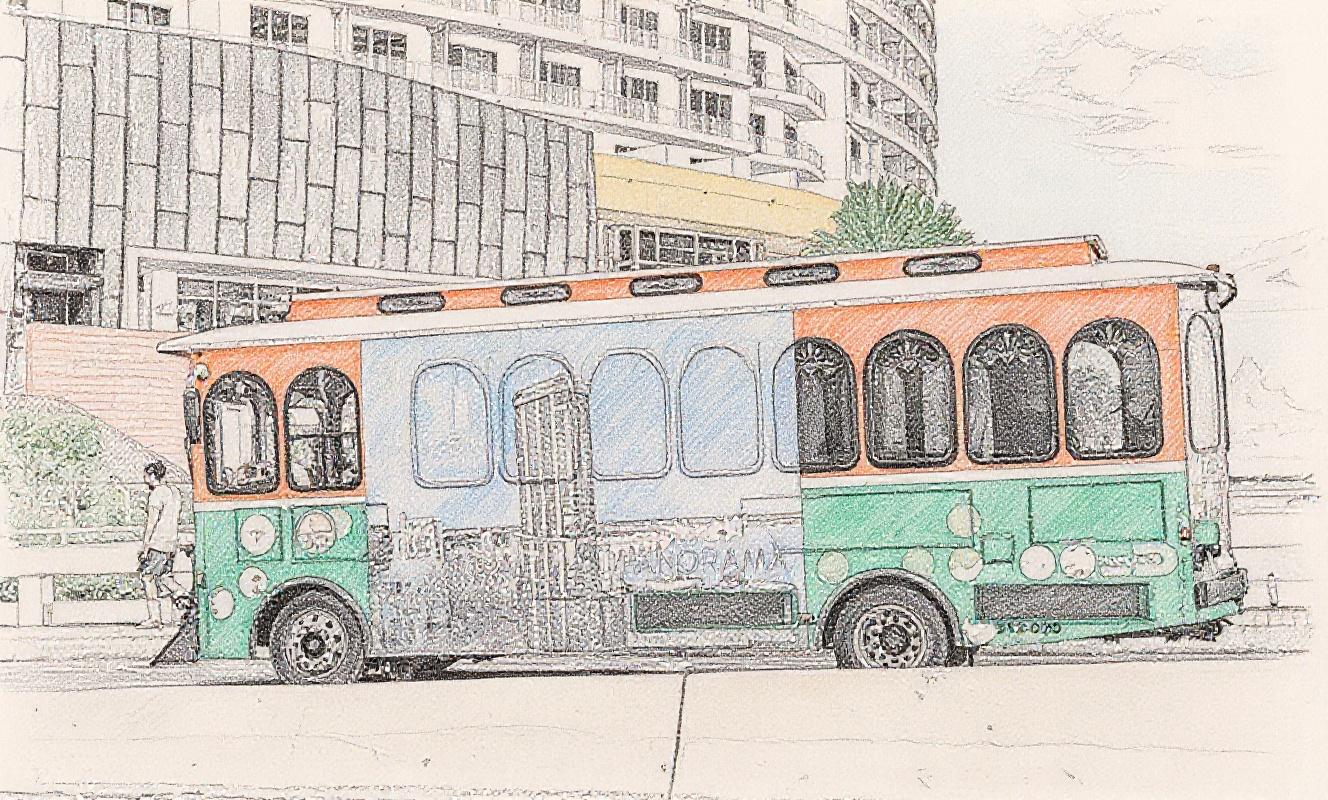
- Fleet: all-electric shuttle-style mini-buses, with autonomous vehicles capable of carrying up to 15 passengers planned for future integration
The fare discipline matters as much as the technology. At $1, West Palm Move is priced to attract the choice rider — the downtown worker, the museum visitor, the Brightline connector — without pricing out the transit-dependent rider who relies on the network every day.
The Design Logic Solves Transit's Hardest Downtown Problem
Downtown West Palm Beach already has the pieces of a real transit ecosystem: Brightline intercity service, Tri-Rail commuter rail, Palm Tran county buses, the West Palm Beach Downtown Development Authority (DDA)'s Circuit on-demand electric shuttles, and a growing bicycle infrastructure. What it has lacked is a city-operated layer that ties those pieces together and extends service beyond the dense downtown core into the broader city fabric. West Palm Move is built explicitly to fill that gap.
The on-demand component — serving anyone in the city east of I-95 — acts as a feeder to the fixed route, which in turn feeds Brightline, Tri-Rail, and Palm Tran. That stacking logic is precisely what transit planners mean when they talk about a "first-and-last-mile" solution, and West Palm Beach is embedding it into the service contract rather than treating it as an afterthought.
- Via's platform is already deployed in transit networks across North America, giving the city a tested operational backbone
- The DDA's Circuit shuttle program provided more than 228,000 rides since its October 2021 launch, demonstrating genuine downtown demand
- The city's Parking & Mobility Department is managing the transition from the previous RideWPB vans, which retired in May 2026, ensuring continuity of service for dependent riders
West Palm Move Lands at Exactly the Right Regional Moment
West Palm Beach's timing could not be better. The South Florida Regional Transportation Authority (SFRTA), in partnership with Broward County Transit (BCT), Miami-Dade County's Department of Transportation and Public Works (DTPW), and Palm Tran, launched SoFloGO — a unified mobile app integrating trip planning, real-time arrivals, mobile ticketing, and service alerts across all four agencies — making this the first moment in South Florida history when a rider can plan a seamless journey from a West Palm Beach neighborhood to a Miami-Dade bus stop without switching apps or payment systems.
That regional digital infrastructure gives West Palm Move an amplifier it wouldn't have had even two years ago. A resident who hops a $1 West Palm Move mini-bus from Northwood Village, transfers to Tri-Rail at the intermodal center, and rides south to Fort Lauderdale for a meeting can now do all of that — plan, pay, track, and deboard — inside a single platform.
- SoFloGO integrates Tri-Rail, BCT, Palm Tran, Metrorail, Metrobus, and Metromover into one app
- Powered by Moovit's trip-planning technology and Genfare's fare payment system
- Palm Tran recorded 9,368,600 annual riders in 2025 — nearly 28,400 per weekday — showing healthy base demand across Palm Beach County
The Path Forward: Expand Coverage, Then Build the Habit
The clearest opportunity in front of West Palm Beach's mobility team is expanding West Palm Move's coverage westward — beyond I-95 and into the neighborhoods that have historically had the weakest transit access. West Palm Move's architecture already anticipates this: the initial route is explicitly described as a first phase, with additional corridors to follow. The addition of the Palm Beach Lakes Boulevard east-west route will be a meaningful test of whether the service can generate ridership in a more suburban context where walk-up demand is thinner.
The city should also work with the DDA and SFRTA to ensure that West Palm Move stops are prominently listed in SoFloGO, so that riders using the regional app can see city-level options as naturally as they see Tri-Rail times. That integration — digital and physical — is what transforms a good local service into a genuine network node.
When West Palm Move hits its stride, West Palm Beach will have done something genuinely instructive for the rest of South Florida: demonstrated that a growing city of 100,000-plus residents can design a transit service from first principles, price it affordably, guarantee its performance contractually, and wire it into the regional network — all before a single mile of new rail is laid. That is the kind of urban mobility confidence this region has been building toward.