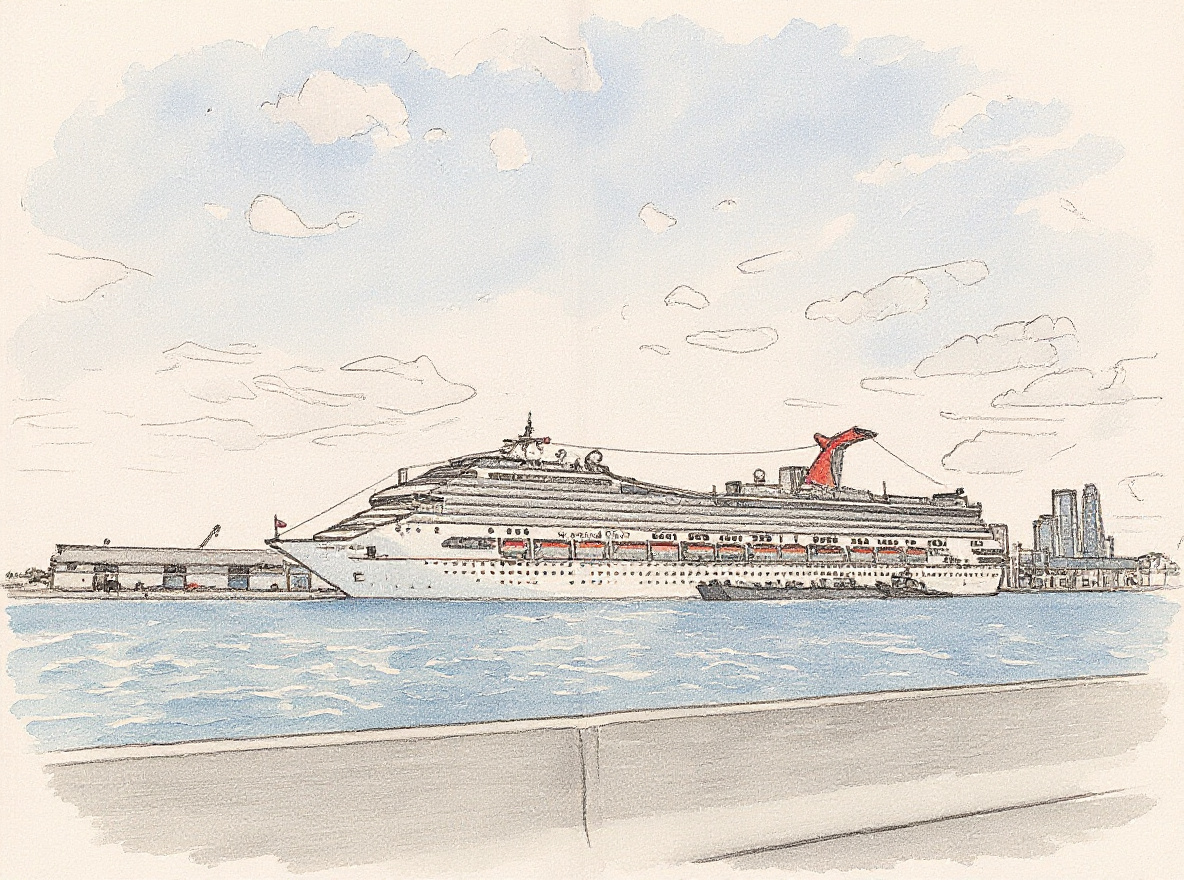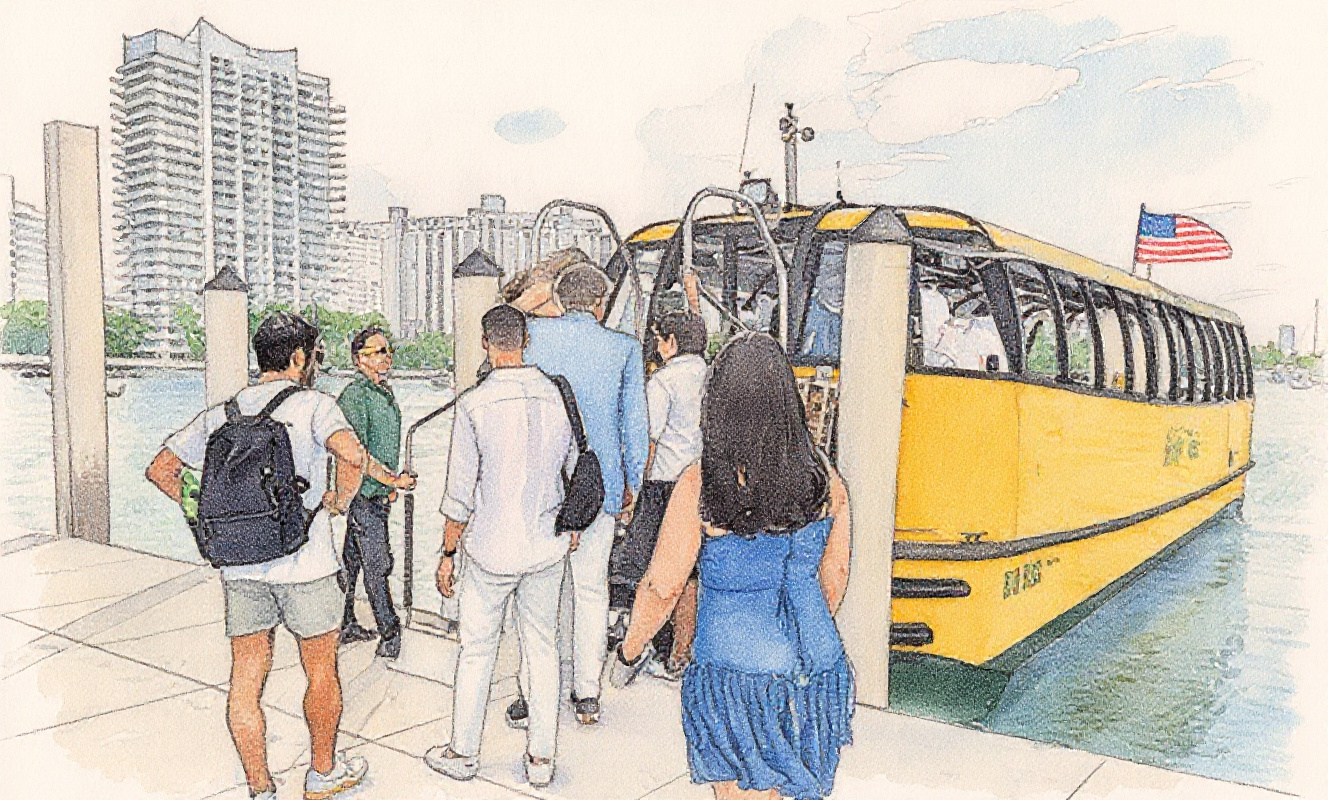
Miami Beach's free water taxi has outperformed expectations in its first nine months, and with state money in hand, it is ready to become the first strand of a true cross-bay transit network. The bay has always been the region's shortest unbuilt connection, and riders are now showing up to use it.
Miami Beach's water taxi has drawn more than 155,000 riders since its January 20 launch.
Miami Beach's free water taxi carried more than 155,000 passengers between its January 20 launch and the end of September 2026, according to city statistics reported by Miami Today on October 21, 2026. Mayor Steven Meiner said ridership exceeded expectations, topping 1,000 passengers a day in peak season. For a brand-new mode on a single route, that is a convincing opening act.
- The route links Maurice Gibb Memorial Park and Venetian Marina.
- Each crossing of Biscayne Bay takes about 18 minutes.
- Peak-season days have exceeded 1,000 riders, per the mayor.
- Fares are free, which removes the biggest barrier to a first trip.
State funding through fiscal 2027 gives the service the stability to plan its next phase.
The Florida Department of Transportation (FDOT) has awarded Miami Beach another state transportation grant that secures the water taxi through fiscal year 2027, as Mayor Meiner confirmed on October 21, 2026. Predictable funding matters for a new service, because riders build habits around schedules they trust. The city can now make decisions about the service as a lasting part of its mobility mix rather than a pilot.
- FDOT's grant covers operations through fiscal year 2027.
- Miami Beach is pursuing additional funding specifically for expansion.
- Mayor Meiner has publicly floated growing the system beyond one route.
Expansion works best when the water taxi is wired into the transit riders already use.
The next step for Miami Beach is connecting water taxi landings to the buses, trolleys, and bike lanes that carry people the last mile on both shores. A boat that takes 18 minutes is only as useful as the first and last ten minutes on either end. Miami Beach has the right instincts: a free fare, a visible route, and a mayor who wants more.
- Coordinating schedules with Miami-Dade Transit and the city's trolley network would turn a scenic ride into a commute.
- Real-time arrival data on the same apps riders already use would widen the audience.
- Additional landings in Miami and on the beach would test which pairs of places generate daily demand.
- Publishing monthly ridership by time of day would help guide where a second route belongs.
A cross-bay network would give South Florida a transit layer that needs no new right-of-way.
Water is the one corridor in South Florida that is already built, already continuous, and already free of traffic. If Miami Beach turns a 155,000-rider first year into a connected, funded, multi-landing network, it will add resilience, shorten trips between the beach and the mainland, and give residents a genuine alternative to the causeways. The first boats have shown the demand is real; the next chapter is about putting the bay to work every weekday.