West Palm Beach launched September 2026 with something no other South Florida city can claim: three distinct, city-scale electric transit layers — fixed-route, on-demand, and autonomous-concept — all compounding on the same compact downtown grid.
West Palm Move's $1 fare and 10-minute frequency are the right design choices at the right moment
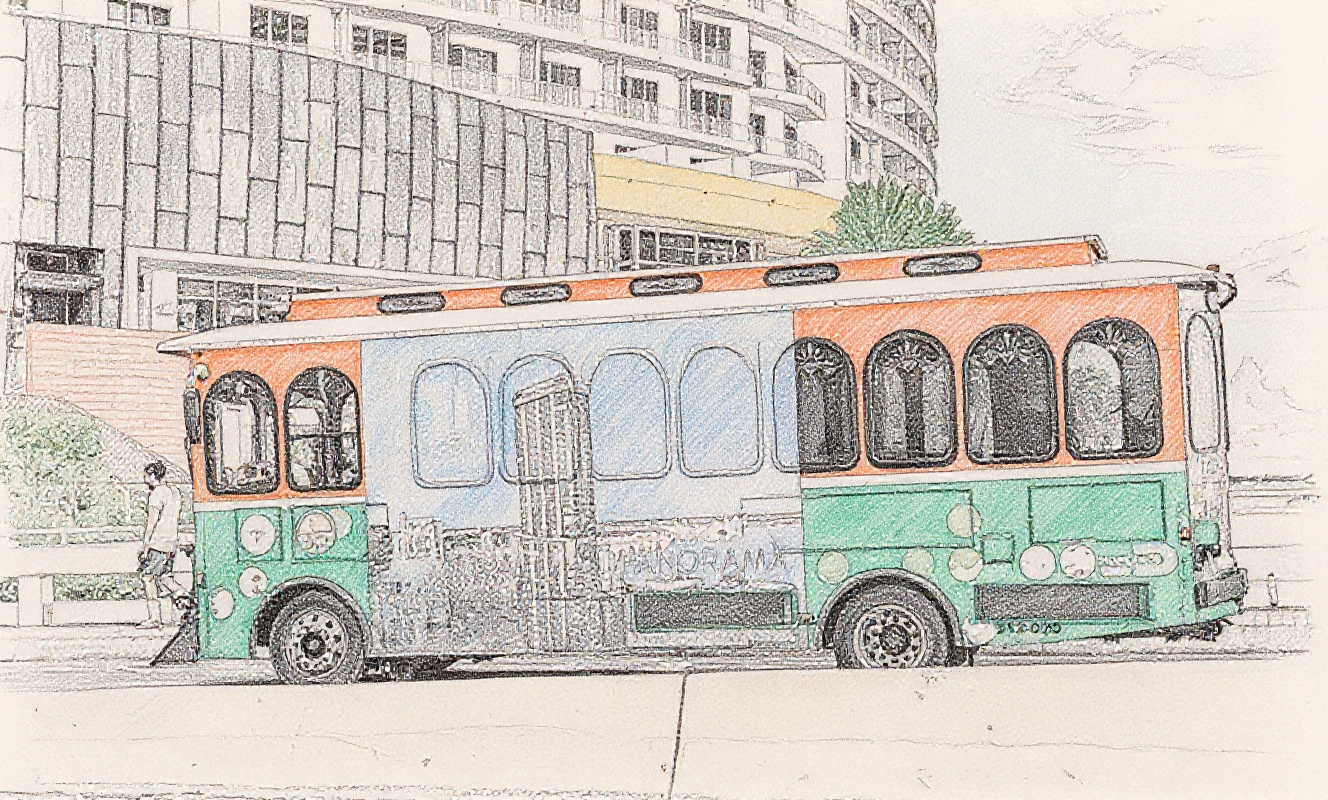
The City of West Palm Beach launched West Palm Move on September 8, 2026, replacing the RideWPB pilot that ended May 31 and promising a step-change in what riders can expect from municipal transit. West Palm Move is a new public transit network combining a frequent, all-electric fixed-route with app-based on-demand rides. The fixed-route segment runs north–south along the Dixie Highway corridor, connecting the Norton Museum of Art with Northwood Village, stopping at physical stops marked with West Palm Move signs. The price is deliberately approachable: the app-based model costs $1 for fixed routes and $2 for on-demand rides. The city's on-demand fleet is expected to open access to more than 100,000 people.
Frequency is the animating principle. Deputy City Administrator Armando Fana put it plainly:
- "Right now we're starting with seven vehicles, but really what matters is the pickup times. No matter what time you get to the stop, you won't wait more than 10 minutes — that's what people want. Frequency."
- The city contracted transit technology firm Via to manage software and dispatch, with contract terms requiring maximum wait times of 10 minutes for fixed routes and 15 minutes for on-demand rides.
- The service is funded through a combination of developer contributions, mobility fees, the Community Redevelopment Agency, and parking fees — a funding stack that other Florida cities would do well to study.
- Data collected during RideWPB's roughly three-year run helped shape the design and route structure of the new service.
A three-tier transit ecosystem is already proving itself in the downtown core
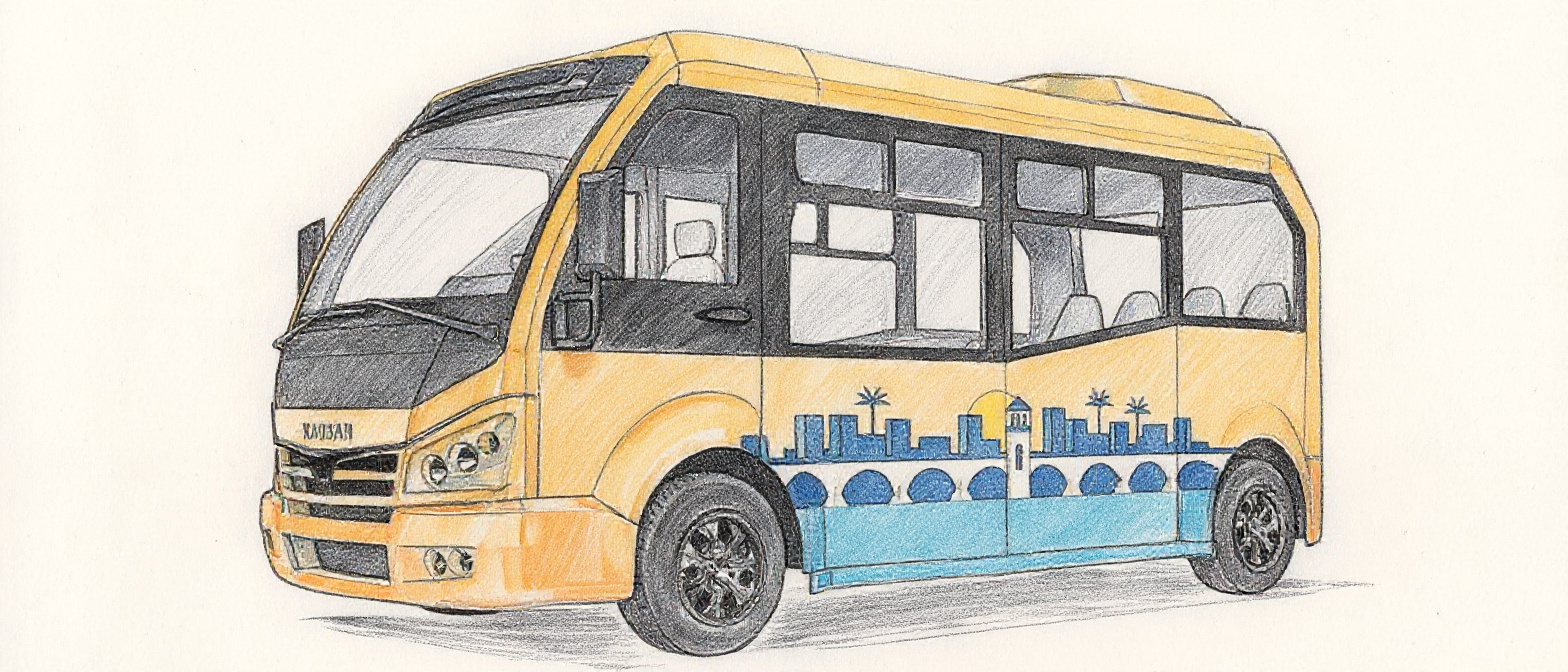
West Palm Move does not operate in a vacuum. West Palm Move operates independently of the West Palm Beach Downtown Development Authority's existing partnership with Circuit, which runs an on-demand electric shuttle within the downtown core delivering more than 15,000 rides per month. Together with the county's Palm Tran bus network, the arrangement leaves the city operating a three-tiered transit system depending on where a rider stands within the city limits. That layering — county trunk line, Downtown Development Authority (DDA) microtransit, and now citywide fixed-route — is exactly the kind of redundant coverage that turns a pleasant transit option into a genuine car-optional lifestyle. Palm Tran, the Palm Beach County bus system, logged daily weekday ridership of 30,400 in Q1 2026, with annual ridership of 9,368,600 in 2025 — a strong regional base for West Palm Move to build on.
The Glydways autonomous proposal gives West Palm Beach a credible next act
City officials are already thinking past the current fleet. The city has said it plans to transition West Palm Move to autonomous vehicle technology within five years, with new fleet data expected to help prepare for that possible shift. That ambition has a concrete regional counterpart: California-based Glydways has unveiled plans for an autonomous, on-demand transportation network linking Palm Beach International Airport and downtown West Palm Beach via a dedicated roadway, with service potentially launching within the next five years. The roughly four- to five-mile route would include stops at CityPlace, the Brightline station, the convention center, the Nora District, and other key destinations, offering passengers direct, non-stop trips instead of traditional train-style service. Glydways says its dedicated guideways are more cost-effective to build than rail, and because the system would generate fare revenue, it could be financed through a public-private partnership, reducing costs for local governments.
- The system would cover about 5.3 miles and connect several key stops between downtown and the airport.
- Small autonomous electric vehicles carrying about four to six passengers would travel along a dedicated elevated guideway built above existing roads.
- Glydways, which already has projects underway in Atlanta and California, presented the proposal to Palm Beach County commissioners for initial consideration.
West Palm Beach is showing South Florida how to compound transit investments
What makes West Palm Beach's moment distinctive is not any single project — it is the intentional stacking of scales. A $1 electric shuttle serves the short hop; the DDA's Circuit handles the downtown last mile; Tri-Rail and Brightline supply the regional spine. The West Palm Move launch on September 8, 2026, is not a pilot or a placeholder — it follows RideWPB, a stopgap mobility pilot that ended May 31, 2026, and demonstrated local demand for a flexible, city-run transit option, and was built in partnership with global mobility provider Via to design a permanent network pairing fixed-route service with on-demand microtransit. The autonomous Glydways proposal is the natural capstone: a zero-driver airport connector that would fuse every other layer into a single seamless corridor from the regional airport to the Brightline platform to the neighborhood street.
South Florida spends enormous energy debating where to put the next rail line. West Palm Beach is answering a different question: what does a city look and feel like when every trip under five miles has an all-electric, sub-10-minute option? The answer, coming together this October, looks like exactly the kind of urban livability dividend the region has been building toward.