South Florida's most important affordable-housing story right now isn't happening in Wynwood or Brickell — it's unfolding station by station along a 20-mile electric bus corridor in South Dade, and the pace is accelerating.
Metro Express Is Already Rewiring How South Dade Moves
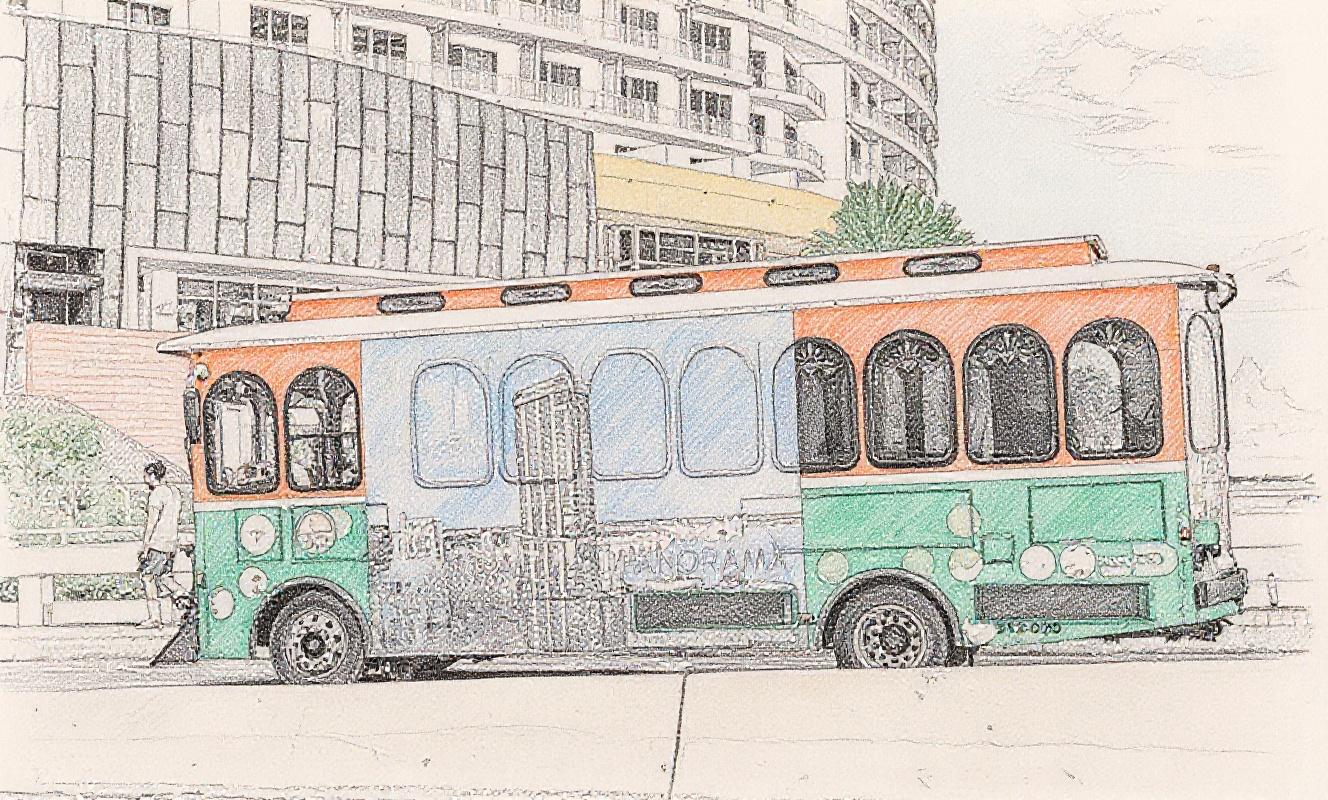
Miami-Dade County's Miami-Dade Department of Transportation and Public Works (DTPW) launched Metro Express — Miami-Dade County's first all-electric Bus Rapid Transit (BRT) system — on October 27, 2025, and the early ridership numbers suggest the investment is finding its audience. The 60-bus all-electric fleet runs 20 dedicated miles from Florida City's SW 344th Street Park-and-Ride to the Dadeland South Metrorail Station, threading together Homestead, Cutler Bay, Palmetto Bay, and Pinecrest in a single seamless corridor — and within months of launch, it was already outperforming what came before.
- Metro Express and the TransitWay Local together attracted approximately 2,500 more weekday riders than the prior express service, according to a March 2026 Miami-Dade County legislative filing.
- Route 601 (BRT Express) was logging 5,469 average daily riders and Route 602 (Local) 4,064 as of November 2025, per Wikipedia's South Dade TransitWay entry.
- A construction phase at the SW 296 Street BRT station — the last significant work zone — wrapped in mid-June 2026, meaning the system is now fully built-out end to end.
- DTPW secured a $920,550 Florida Department of Transportation (FDOT) Transit Corridor Development Program grant in State Fiscal Year 2026 to help cover operating costs on the new routes.
Affordable Housing Is Following the Buses — Faster Than Expected
Mayor Daniella Levine Cava's promise at the Metro Express ribbon-cutting — that 24 newly approved affordable developments totaling 4,400 units were already lined up along the corridor — is proving out, project by project. June 4, 2026 brought the opening of Quail Roost Station Phase II, a 124-unit senior affordable community developed by Atlantic Pacific Communities directly adjacent to the Eureka Drive BRT station. Its rents run from $579 to $1,847 per month for households earning between 30% and 70% of Area Median Income. Phase III, which will add 106 more senior units, is already under construction.
- Quail Roost Station is itself part of a six-phase transit-oriented redevelopment initiative on an 8.5-acre county-owned site beside the transitway.
- Developer Pinnacle closed on $68 million in construction and equity financing in January 2026 to build Caribbean Isles, a 142-unit senior community at 60% AMI or below, as Phase 2 of a master-planned transit village at SW 200th Street.
- Vestcor broke ground on Ambar Station, a $128.5 million, 576-unit mixed-income development in Leisure City/Naranja, backed by Miami-Dade Housing Finance Authority bonds.
The Naranja Lakes CRA Deal Is the Corridor's Biggest Signal Yet
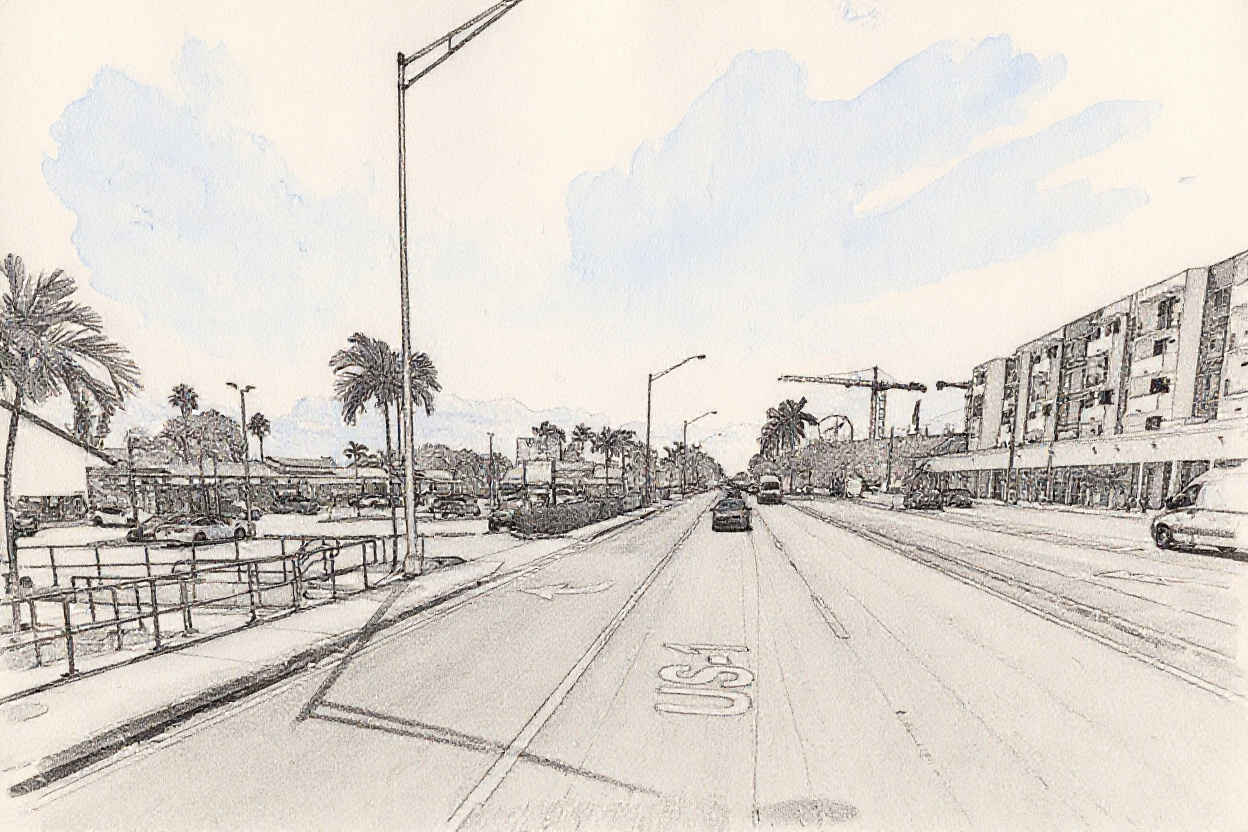
The clearest sign that the Metro Express corridor is maturing into something durable arrived August 28, 2026, when the Naranja Lakes Community Redevelopment Agency advanced a proposal to award Housing Trust Group land and a $7 million loan to build Lakeview at Naranja — a 328-unit affordable community with 11,466 square feet of commercial space, carrying a preliminary budget of $126.4 million, on South Dixie Highway directly along the transitway. Units would be priced for households earning between 30% and 80% of Area Median Income, and the site would remain affordable for 99 years. Miami-Dade County zoning along the transitway already allows densities up to 125 units per acre and buildings up to 15 stories, precisely to encourage this kind of project.
- The Naranja Lakes CRA's updated master plan extends its authorized operating lifespan through 2043, giving it a long runway to keep steering land and financing to transit-adjacent projects.
- Miami-Dade's Board of County Commissioners designated the BCC itself as the Naranja Lakes CRA's governing body in March 2026, tightening county oversight and long-term accountability.
- The South Dade Transit Operations Center — the 20-acre Homestead depot powering the all-electric fleet — is on track for Phase 2 completion in 2026, ensuring the buses that serve all these new residents have the infrastructure to keep running reliably.
The Next Move Is Connecting Housing Residents to the Broader Network
What this corridor still needs — and what DTPW and the CRA both have the tools to deliver — is seamless first-and-last-mile connectivity from each new housing development to its BRT station. Quail Roost Station Phase I already set the right template with a covered walkway directly into the SW 184th Street BRT station. Every subsequent development along the corridor should replicate that covered, protected pedestrian link. The Naranja Lakes CRA's 2025 plan explicitly calls for expanded pedestrian and bicycle paths along US-1 connecting residents to the transitway; treating that commitment as a binding deliverable on each new project approval would lock in the pattern permanently.
When this goes right — and the trajectory strongly suggests it will — South Dade won't just have a bus line. It will have something South Florida has rarely built from scratch: an equitable, transit-served, intergenerational neighborhood, growing organically around infrastructure that works. That is exactly the story a region with Miami-Dade's affordability pressures and growth pace needs to be telling.