South Florida just marked the one-year anniversary of something that sounds ordinary but is genuinely transformative: a single mobile app that lets a rider plan, pay for, and track a trip across three counties and four transit systems without switching tools, tapping multiple wallets, or staring at four separate screens.
SoFloGO proved its demand signal immediately — and the momentum is real
The South Florida Regional Transportation Authority (SFRTA), in partnership with Broward County Transit (BCT), Miami-Dade County Department of Transportation and Public Works (DTPW), and Palm Tran, launched SoFloGO on August 11, 2025. Powered by Moovit's trip-planning technology and Genfare's payment system, the app went live August 11 and is funded through federal dollars administered by the Metropolitan Planning Organization (MPO). The early signal was emphatic: the new app gives riders a single tool for trip planning and fare payment across multiple county transit systems, and nearly two weeks since its launch, it had already been downloaded more than 4,000 times. That is not a niche product finding a small audience — that is pent-up demand releasing.
- SoFloGO launched August 11, 2025, funded by the Broward Metropolitan Planning Organization.
- Crossed 4,000 downloads in fewer than 14 days of availability.
- Available on both the Apple App Store and Google Play.
The app fixes a fragmentation problem that was quietly suppressing ridership
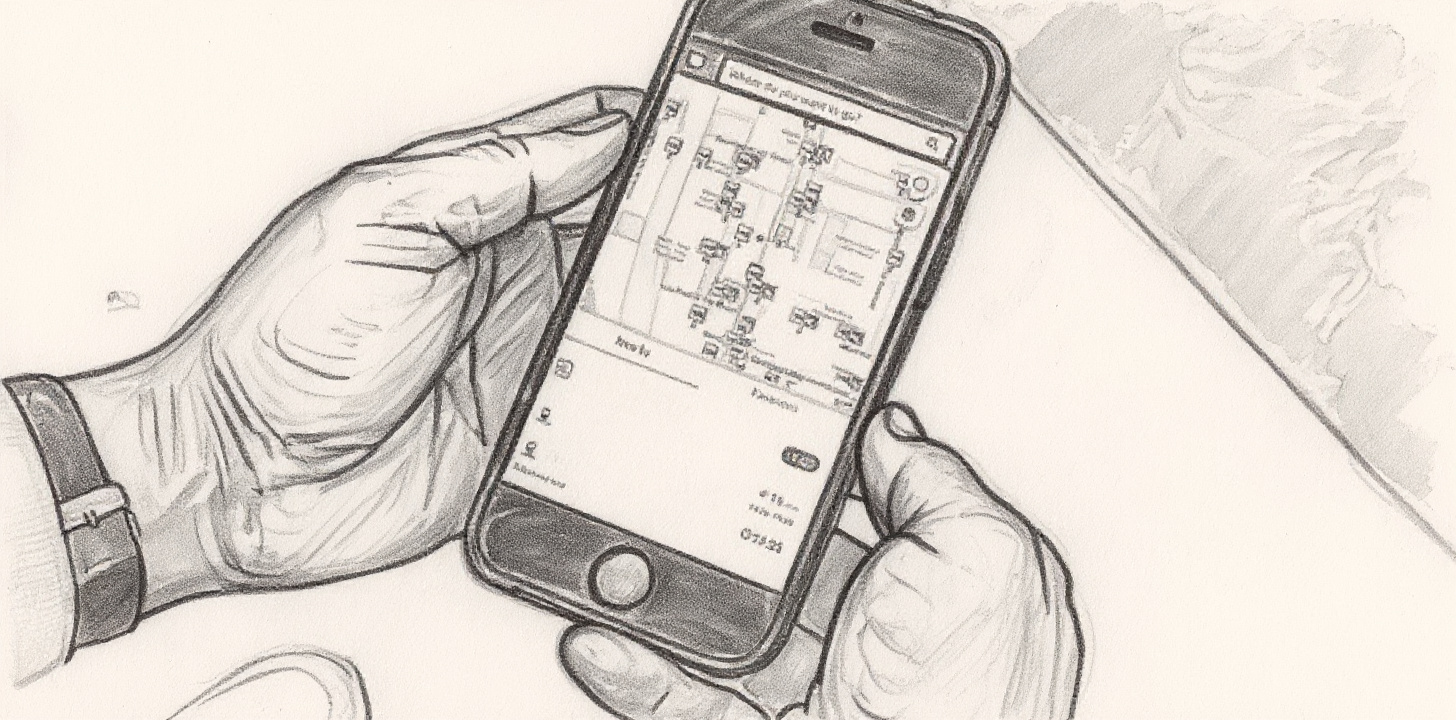
For years, a tri-county commute required juggling entirely separate digital ecosystems. For decades, navigating public transportation across South Florida meant juggling multiple apps, fare systems, and schedules — riders traveling between Miami-Dade, Broward, and Palm Beach counties often faced a fragmented experience that discouraged widespread transit adoption. SoFloGO collapses that friction. The app brings together Tri-Rail, BCT, Palm Tran, and DTPW's Metrorail, Metrobus, and Metromover services into one intuitive platform, offering multimodal trip planning, real-time arrival updates, live directions, mobile ticketing, and service alerts, creating a unified travel experience across county lines. Crucially, the app also handles fare payments in a way that directs revenue back to the correct agency while allowing riders to pay through a single system — meaning every agency gets its money and every rider gets one checkout experience.
- Four systems unified: Tri-Rail, BCT, Palm Tran, Metrorail/Metrobus/Metromover.
- Single fare-payment flow; revenue still routes to each individual agency.
- Accessibility features include screen reader compatibility and step-free route planning, ensuring all riders can travel with ease.
BCT and the MPO designed this for visitors as well as commuters — a smart choice
BCT CEO and General Manager Coree Cuff Lonergan made a point at launch that deserves more attention than it received. She noted that the app was designed with visitors in mind — particularly those flying into South Florida's major airports — saying: "We were intentional in making sure that it's easy to navigate and that anybody who is traveling to our area would be able to figure it out," and adding that many visitors come from cities with advanced public transportation systems and expect the same here. That is exactly right. A tourist who lands at Fort Lauderdale-Hollywood International Airport and opens SoFloGO should be able to reach the Brightline station, ride to Miami Beach, and get home again without ever touching a rental car — and SoFloGO makes that routing visible in a way it simply wasn't before.
SoFloGO also includes a built-in feedback feature so officials can hear directly from riders and use that input to guide future updates. That feedback loop is a quiet asset: the agencies that built this together are also committed to iterating on it together.
The next year should focus on reliability and deeper integration
App store reviews in early 2026 flagged occasional payment reliability issues that frustrated active users — the kind of friction that turns a promising tool into an abandoned one. The fix is not complicated in concept, even if it is demanding in execution: stable, well-tested payment infrastructure that works whether a rider has 30 seconds or 30 minutes to board. The agencies behind SoFloGO have both the feedback channel and the incentive to solve this; the World Cup ridership surge of 2026 has already shown how many new riders the network can attract when the product works smoothly. The system is well positioned in 2026 to serve spectators attending events at Miami Freedom Park and is a key partner in Miami-Dade County's transportation committee for the FIFA World Cup, with Tri-Rail actively preparing to provide transportation for World Cup matches and associated Fan Festival activities.
The deeper opportunity is full fare interoperability — a single account balance that riders can load once and spend across any of the four systems with no per-agency wallet management. That is technically achievable on the Genfare backbone that SoFloGO already runs on, and it would make the app genuinely invisible in the best possible way: riders stop thinking about which county they're in and start thinking only about where they want to go.
When South Florida gets that right, it will have done something that older, larger transit networks are still fighting to accomplish. A region that built its rail and bus systems in separate counties across separate decades will have stitched them together with one elegant digital seam — and every new rail line, BRT extension, or microtransit route that opens will plug straight into an audience that's already holding the app.