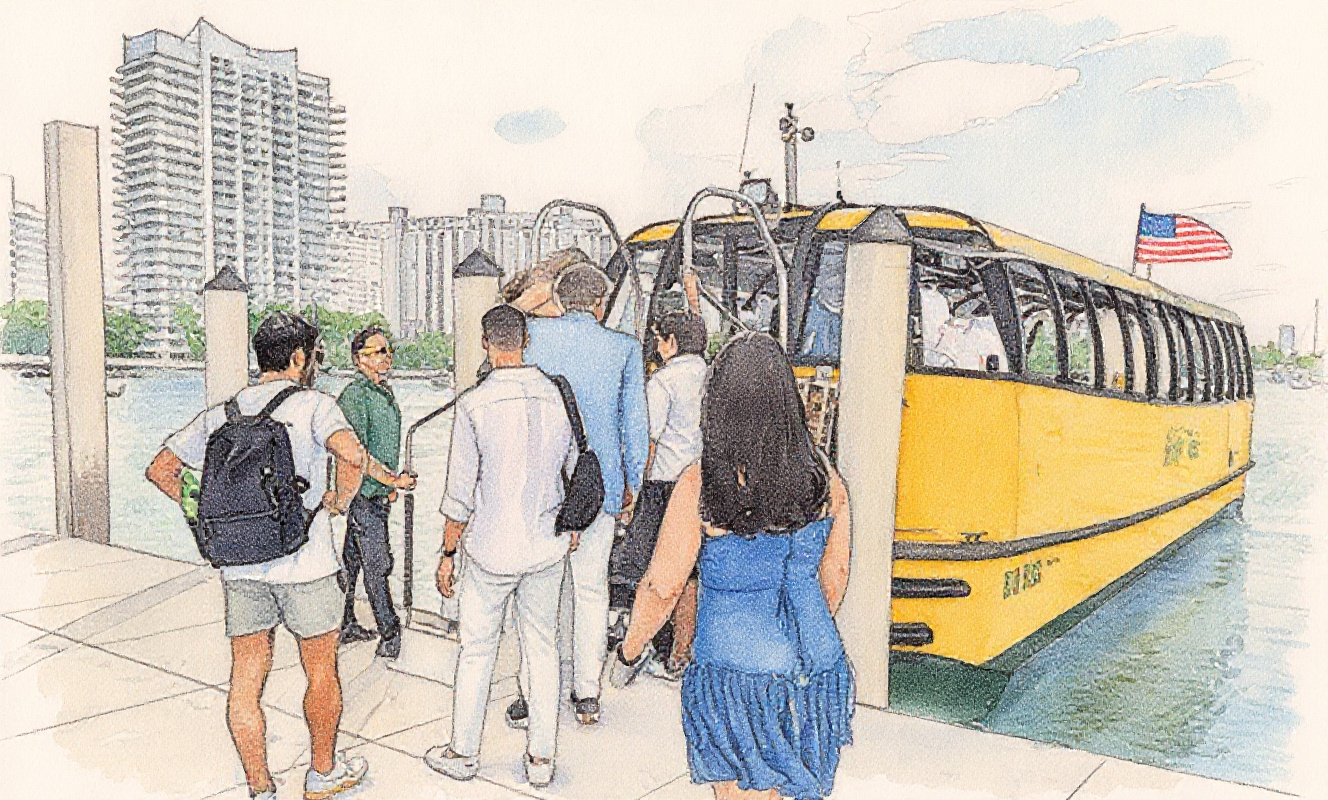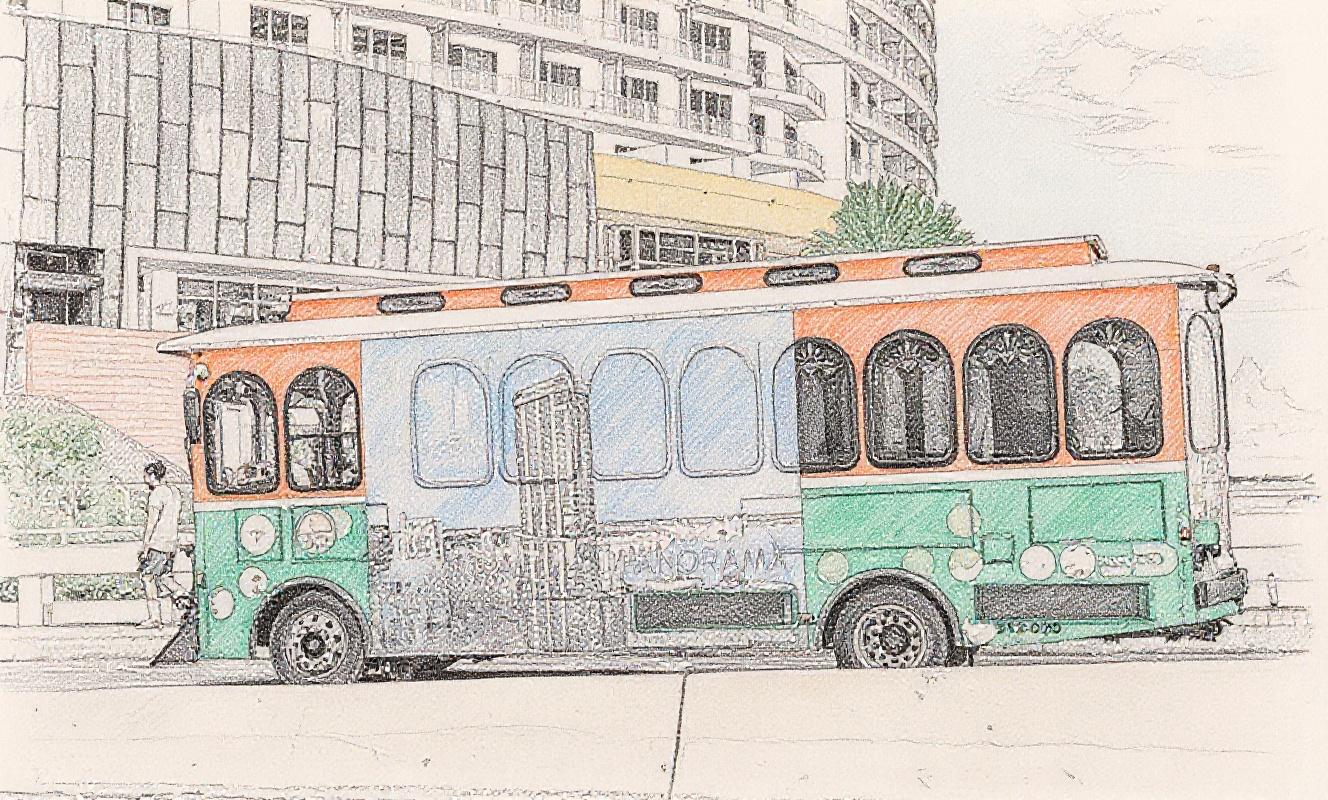
North Miami Beach just handed South Florida a proof of concept that the region's biggest transit agencies have spent decades searching for: a free, all-electric, app-driven connector that actually gets people onto buses and trains.
North Miami Beach's RideKel fleet expansion is a genuine first-mile breakthrough
The City of North Miami Beach and ProKel Mobility unveiled the newest additions to the city's transit fleet at a late-July 2026 ribbon-cutting, including new community shuttle buses and two additional all-electric Kia EV9 vehicles powered by the RideKel mobility platform. That brings the city's on-demand electric fleet to a new high — and it represents something larger than a municipal procurement win. Through RideKel, residents can summon free, electric on-demand rides that connect directly with Miami-Dade Transit (MDT) and South Florida Regional Transportation Authority (SFRTA) Tri-Rail services — making it the first system in Miami-Dade County to integrate city and county transit networks under a single digital umbrella.
- Riders can reach the Golden Glades transit hub, where Tri-Rail provides access to Broward and Palm Beach counties as well as downtown Miami.
- Residents can now use the RideKel platform to plan complete multimodal trips, book on-demand transportation, and track fixed-route vehicles in real time.
- RideKel is the first program of its kind in Miami-Dade County, offering free, app-based rides that connect users directly to city and county transit options.
The ridership numbers validate the model — and the savings are real
Since ProKel Mobility began operating the city's transit system in 2020, average monthly ridership has increased from about 4,000 to more than 10,000 trips, while a redesigned transit network has reduced wait times, expanded on-demand service, and is projected to save the city about $1.5 million over the life of the contract. Those are not pilot-program asterisked figures — they are operational results from a sustained six-year partnership. The equity dimension is equally tangible: before RideKel, one regular user's only option was a 30-to-40-minute walk to school, often through busy intersections; now that same commute takes just eight minutes.
- The program is funded by Miami-Dade County's Citizens' Independent Transportation Trust (CITT) and aims to ease transportation affordability pressures on residents.
- ProKel Mobility plans to expand the program, adding more buses and potentially bringing RideKel to other South Florida cities.
Miami-Dade's booming job market makes solving the last mile more urgent than ever
The timing of North Miami Beach's fleet upgrade is not accidental. Miami-Dade County's office market remains strong as companies compete for premium space: availability fell to 14.9 percent in Q2 2026, down from 17.1 percent a year earlier, as leasing activity jumped to 1.3 million square feet — a nearly 45-percent year-over-year surge, according to Savills data. More workers are showing up to more offices, and many of them live in exactly the kinds of mid-density neighborhoods — North Miami Beach, Opa-locka, Carol City — where fixed rail will never reach but where a free electric connector to the nearest Tri-Rail station is genuinely transformative. Miami has claimed the top spot nationwide for the highest office asking rent, with an average asking rate of $59.66 per square foot — ahead of New York's $50.56 — according to a LoopNet analysis. A city commanding those rents has no business leaving its workforce stranded at the last mile.
The RideKel template is ready to scale across the region
As Logan McLeod, Senior Vice President at ProKel Mobility and a former Lyft executive, put it: "Everyone complains about congestion, but the real issue isn't just cars — it's that public transportation options don't talk to each other. You need three different apps just to take one trip. That's the problem we're solving." The solution is already in the field, already saving money, and already measurably shortening commutes. What North Miami Beach proved in six years — that a city of 45,000 can triple its transit ridership by layering on-demand EVs over an existing fixed-route backbone — is directly replicable in Hialeah, in Miramar, in Pembroke Pines, in any South Florida suburb that sits just one frustrating mile from a rail or BRT station.
The heavy capital arguments about rail corridors and funding gaps will continue for years. But North Miami Beach is already on the move, one electric Kia at a time — and the rest of the region should be watching closely.