South Florida has spent decades chasing the single silver-bullet transit project. What the summer of 2026 is quietly proving is that the region's most durable progress is happening in layers — and those layers are beginning to connect.
Tri-Rail's World Cup moment reveals a rail network that is ready to scale
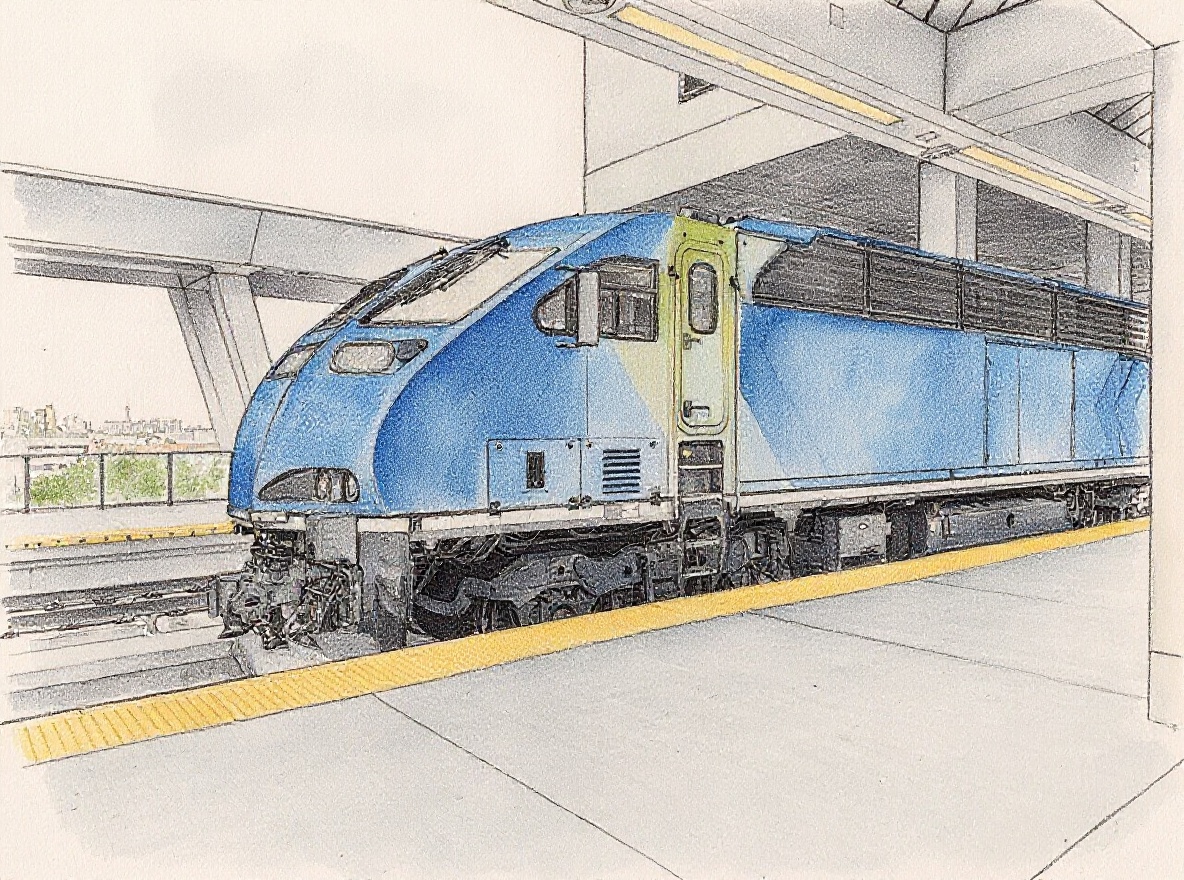
The South Florida Regional Transportation Authority (SFRTA) reported on June 30, 2026, that Tri-Rail recorded its highest-ever Saturday ridership on June 27, 2026, with more than 11,000 rides on the day of the FIFA World Cup match between Portugal and Colombia in Miami. That followed a June 24 single-day total of nearly 17,000 rides and a June 15 total of more than 15,000 — each a new benchmark for the 80-mile commuter corridor linking Miami, Fort Lauderdale, and West Palm Beach.
- Tri-Rail carried 4,552,826 commuter rail passengers in 2025, surpassing its pre-pandemic record of 4.4 million set in 2019.
- MiamiCentral Station logged more than 1,200 rides on June 24 and more than 1,100 on June 27, 2026 — the two busiest days there since service launched in January 2024.
- SFRTA served as a key transportation partner for all seven World Cup matches hosted in Miami, with special train service coordinated throughout the tournament.
- Interim Executive Director Diane Hernandez Del Calvo noted that the records reflect "the important role public transit plays in supporting major sporting events."
The headline number is thrilling, but the deeper story is structural. Nu Stadium at Miami Freedom Park sits within walking distance of Tri-Rail's Miami Airport Station, and the Miami Intermodal Center sits on the north side of the canal adjacent to the stadium site — a geographic alignment that turned a once-in-a-generation sporting event into a proof-of-concept for transit-oriented life in Miami.
Freebee's Allapattah expansion is filling the critical first-and-last-mile gap
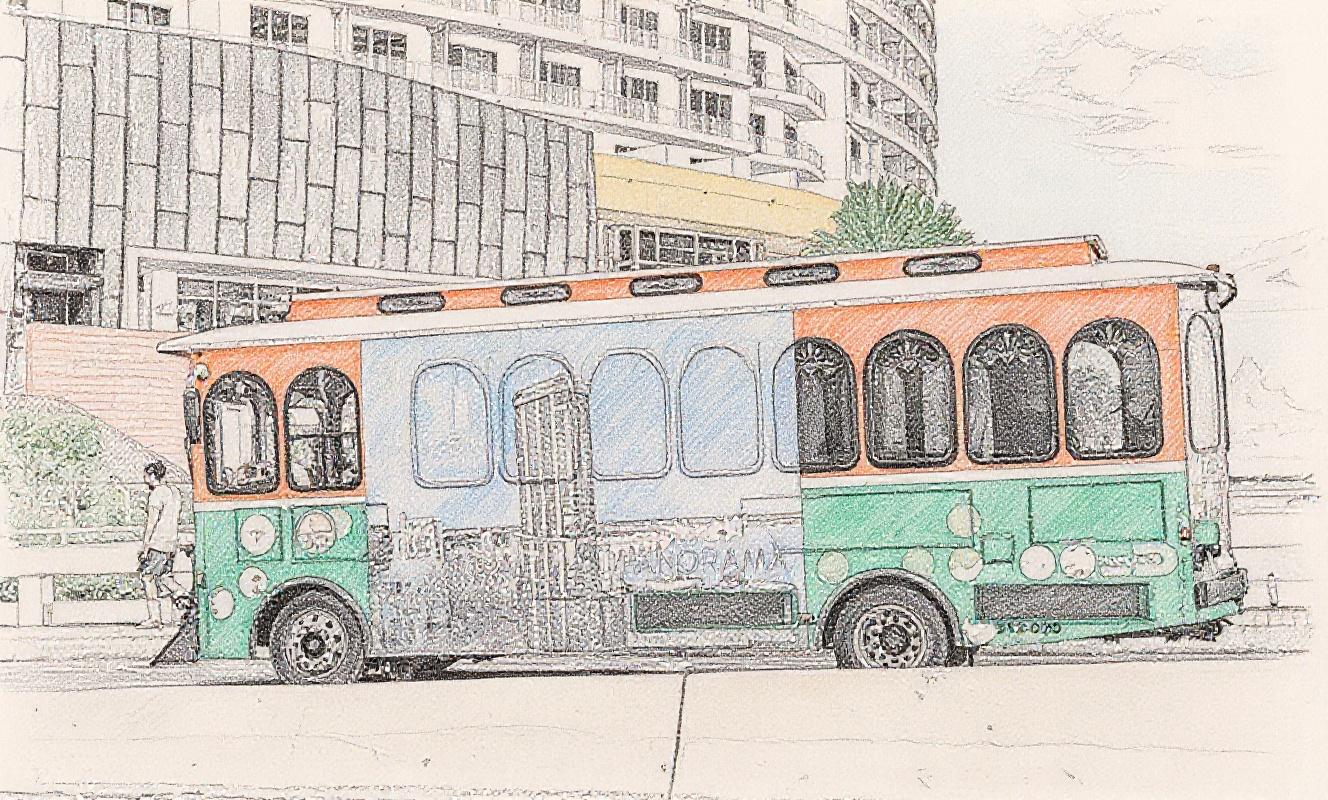
While Tri-Rail was setting records at the regional scale, the Miami City Commission was moving this month to fund the missing piece at the neighborhood level. A $590,000 allocation — currently under consideration — would extend Freebee's free, on-demand electric vehicle service in Allapattah from August 2026 through July 2027, building on the District One MicroTransit Initiative that Commissioner Miguel Gabela first championed in September 2024.
- The funding covers four electric vehicles, charging infrastructure, drivers, and technology for a neighborhood adjacent to both a Metrorail station and the broader Miami Freedom Park district.
- The initial phase of Allapattah service was seeded by $404,727 from the city's Miami For Everyone program.
- Freebee already offers free on-demand rides connecting MiamiCentral Station into the Downtown–Brickell core, and its network now spans 53 active destinations across Florida.
- Co-founder Jason Spiegel projects Freebee will cross 3 million annual passengers in 2026, up from nearly 2 million in 2025.
Allapattah matters strategically. It sits between the Miami Airport Metrorail station, the emerging Allapattah Metrorail station area, and the new stadium district — precisely the zone where a short Freebee hop can turn a rail trip into a truly seamless journey. The City of Miami is effectively subsidizing the connective tissue that makes the regional spine useful to people on the ground.
The layered model is more resilient than any single mega-project
What's emerging in Miami-Dade isn't a monorail or a subway extension — it's a transit stack. Tri-Rail provides the 80-mile inter-county backbone. Miami-Dade Transit's Metrorail and Metromover handle the urban core, logging 80,797,500 trips system-wide in 2025. Freebee and similar on-demand microtransit services fill the capillary network of short trips that fixed routes have always struggled to serve affordably.
- Miami-Dade Transit recorded 259,400 average weekday trips in Q4 2025, with Metrorail alone averaging 51,600 weekday riders in Q1 2026.
- The South Florida Commuter Services vanpool program, now serving 1,354 commuters across 237 active vans in Miami-Dade, Broward, and Palm Beach counties, adds yet another flexible layer — and Miami-Dade's Transportation Committee approved a new contract with Enterprise Leasing on July 16, 2026, to continue the Federal Transit Administration (FTA)-funded initiative, which has received $12.4 million since March 2017.
- Doral extended its Freebee contract through November 2026, Coral Gables maintains its own Freebee zone, and Aventura runs three color-coded Freebee express routes — meaning the micro layer is already multi-city, not just a Downtown experiment.
No single one of these services solves South Florida's mobility challenge. Together, they make a transit trip genuinely competitive with driving for a widening circle of destinations — and that is the threshold that changes behavior at scale.
The next move is stitching the layers together with better wayfinding and fare integration
SFRTA's Governing Board elected Miami-Dade County Commissioner Raquel Regalado as Chair and Broward County Commissioner Lamar P. Fisher as Vice Chair, effective July 1, 2026 — a leadership reset that arrives just as the World Cup has demonstrated tri-county rail demand at its most vivid. The political moment is right to push for what would make the layered model truly legible to a new rider: unified trip-planning, a single contactless payment across Tri-Rail, Metrorail, and Freebee, and clear wayfinding at transfer nodes like Miami Airport Station and MiamiCentral.
None of that requires a new bond or a decade of environmental review. It requires coordination — which is exactly what a freshly organized, energized SFRTA board is positioned to drive. When Miami can tell a visitor: take Tri-Rail to Miami Airport Station, scan once, and a Freebee will meet you at the curb — the region will have something genuinely world-class to offer. The pieces are already here. The summer of 2026 made that plain.
Correction, October 11, 2026: An earlier version of this article said Tri-Rail carried 4,924,100 passengers in 2025. That figure included Fort Lauderdale airport bus service, which the South Florida Regional Transportation Authority (SFRTA) does not count as Tri-Rail rail ridership. SFRTA reports 4,552,826 commuter rail trips in calendar year 2025.