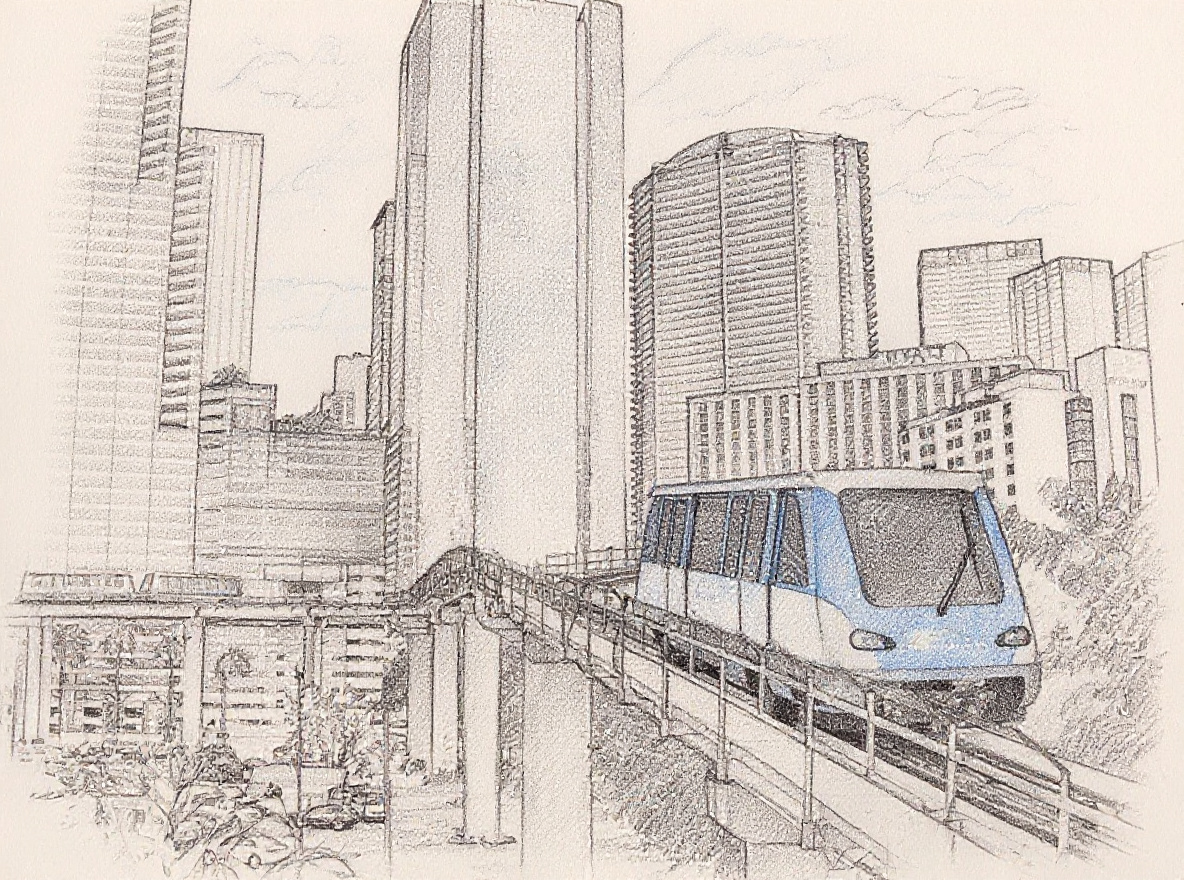
Downtown Miami's free people mover is no longer just an urban curiosity threading through the skyline — it is, right now, the fastest-growing transit mode in Miami-Dade County, and the numbers from August 2026 explain exactly why.
The June 2026 ridership surge is real, measurable, and meaningful
Miami Today's August 26, 2026 ridership wrap confirmed that Miami-Dade Transit (MDT) ridership system-wide rose 7.6% in June 2026 compared with June 2025 — and the Metromover led every mode, posting a 54.1% year-over-year gain. Every single transit mode in the county showed growth that month, with Metrorail adding 8.4% and Metrobus holding positive territory thanks in part to the newly launched South Dade Bus Rapid Transit corridor. That is a county-wide momentum story — but the Metromover number stands apart.
- June 2026: Metromover ridership up 54.1% year-over-year, per Miami Today's August 26, 2026 report.
- Full-year 2025 Metromover ridership: 7,683,800 boardings, or roughly 25,600 riders per weekday in Q4 2025.
- By comparison, Metromover carried only about 20,000 average weekday riders in September 2024, during the height of the upgrade disruptions.
- Metromover is already the busiest downtown people mover in the United States — outpacing both the Jacksonville Skyway and the Detroit People Mover by a wide margin.
The $153M overhaul is the engine behind the rebound
Miami-Dade County's Department of Transportation and Public Works (DTPW) began a comprehensive $153 million Metromover Comprehensive Wayside System Overhaul in 2022, awarded to Bombardier Transportation (Holdings) USA, Inc. by the Board of County Commissioners on May 4, 2021. The upgrade targets the core infrastructure that the system runs on — guideway, substations, switches, cabling, signaling software — components that had reached the end of their designed lifespans after nearly 40 years in service. Partial closures and reduced operating windows were a necessary short-term cost for a long-term gain in reliability. The overhaul is now expected to reach completion in 2026, and the ridership surge suggests riders are already responding to a more dependable system.
- The upgrade replaces track infrastructure, 21 electrical substations, signaling software, and central control systems.
- Once track work is complete, DTPW plans to launch procurement for a new generation of Metromover vehicles.
- The overhaul is projected to extend the guideway's useful life by approximately 30 years.
- Miami-Dade Commissioner Raquel Regalado has already sketched a longer-term vision of a more dynamic, modular system that could include premium service tiers layered onto the free baseline.
The Miami DDA–Freebee on-demand expansion is filling the last-mile gap that Metromover leaves
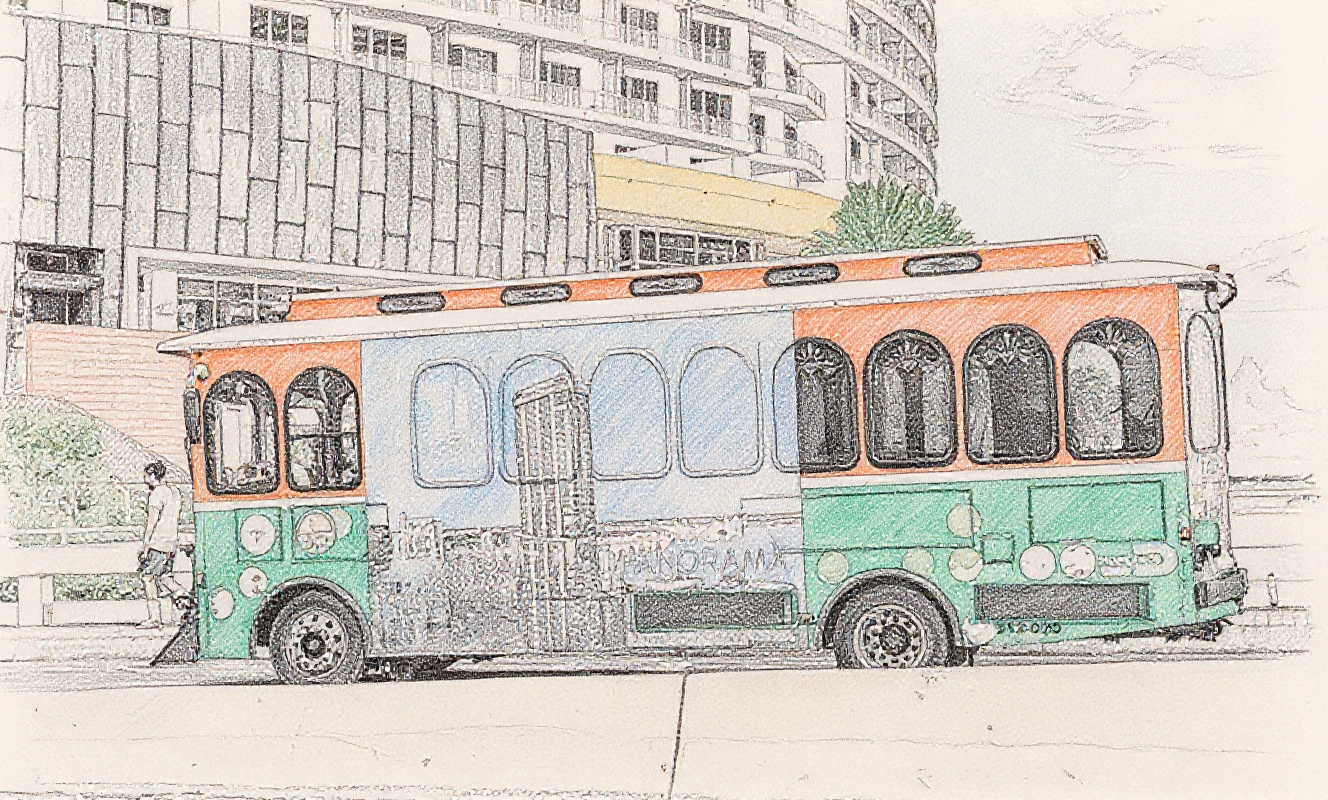
On March 18, 2026, the Miami Downtown Development Authority (Miami DDA) and Freebee converted the downtown fixed-route circulator into a fully on-demand electric shuttle network, deploying nine vehicles — including new Volkswagen ID vans operated in partnership with the Miami Parking Authority — covering Downtown Miami, Brickell, and the Arts & Entertainment (A&E) District in a single seamless zone. Miami DDA Chair and City of Miami District 4 Commissioner Ralph Rosado and CEO Christina Crespi unveiled the fleet at Mary Brickell Village. The previous fixed circulator had already logged more than 40,000 passengers before the upgrade; the on-demand model, with no set stops and app-based dispatch, is built to go well beyond that.
- The on-demand zone connects Kaseya Center, Bayside Marketplace, Brickell City Centre, Mary Brickell Village, and Metromover and Metrorail stations.
- The Wynwood Business Improvement District has separately expanded its Freebee service to include Edgewater and Midtown, adding a direct free connection to the Metromover's 15th Street station.
- Freebee served nearly two million passengers system-wide in 2025 — a record year — and has grown to 53 active destinations in Florida and beyond.
- The on-demand model replaced a fixed-route circulator because, as Freebee's managing partner Jason Spiegel notes, "people want to be picked up where they are and dropped off exactly where they need to go."
Brickell's density wave is now handing the Metromover the riders it was always designed to carry
Brickell today is home to an estimated 40,000 to 45,000 residents, and the neighborhood's concentration of Class-A office workers, corporate relocations, and new luxury towers is creating exactly the kind of dense, transit-adjacent population that a people mover thrives on. The fully approved Citadel tower will become the tallest office building in South Florida, joining 830 Brickell — already 95% leased to firms including Citadel and Microsoft — as anchors of what developers are describing as a Brickell Bay Drive corridor comparable to midtown Manhattan in intensity. When workers pour into those buildings and residents fill the towers going vertical around them, Metromover stations become the obvious, free, zero-friction connection between their front doors and the regional rail network at Government Center and Brickell Station.
The June 2026 ridership surge is, in that sense, not a surprise — it is a confirmation. The upgrade is working, the last-mile network is snapping into place, and the density that South Florida spent a decade building is finally dense enough to fill the trains. The Metromover's next chapter — new vehicles, potential service expansion, and a downtown that keeps growing skyward — starts from a stronger foundation than this system has ever had.