Miami Freedom Park opened as a stadium. It is rapidly becoming something far more consequential: South Florida's most visible proof that transit-adjacent mixed-use development can take root — and thrive — well outside a downtown core.
The new civic center permit is the clearest signal yet that Freedom Park is becoming a real urban district
The City of Miami's new civic center — set to replace aging administrative space downtown and the city's iconic City Hall in Coconut Grove — secured a $193 million construction permit, with workers already topping off the eight-story, 257,000-square-foot building on July 10, 2026. That is not a supporting amenity; that is government committing its own daily operations to this location. The permit, issued for 1822 Northwest 37th Avenue, is part of the broader Miami Freedom Park redevelopment. When a city moves its administration building to a site, it is making a generational statement about where it believes its center of gravity belongs.
- The full development will add 1 million square feet of retail, offices, and dining space, 750 hotel keys, and a 58-acre park with community athletic fields.
- Adler Development is the developer and Moss Construction is the general contractor on the civic center.
- First entertainment tenants include Fever, PopStroke (backed by Tiger Woods), and Toroverde — an adventure park bringing zip lines to its first mainland U.S. location.
Transit is already working at Nu Stadium — and the infrastructure to make it permanent is now funded
On April 4, 2026 — the inaugural game at Nu Stadium — over 2,000 fans chose Metrorail and Metrobus, driving a same-day ridership increase of more than 150% at Miami International Airport Station compared to the prior year and lifting systemwide Metrorail ridership by more than 16% above the April 2025 average. That single data point demolishes the conventional wisdom that Miami will never choose transit for a night out. Now, the city has secured federal funding to construct a dedicated pedestrian bridge connecting the nearby Metrorail station directly with the new administration building — a permanent piece of infrastructure that serves commuters, residents, and fans alike, not just matchday crowds.
- Inter Miami CF offered fans $10 concessions vouchers for arriving by transit; a weekend Tri-Rail day pass costs just $5 compared to at least $45 for stadium parking.
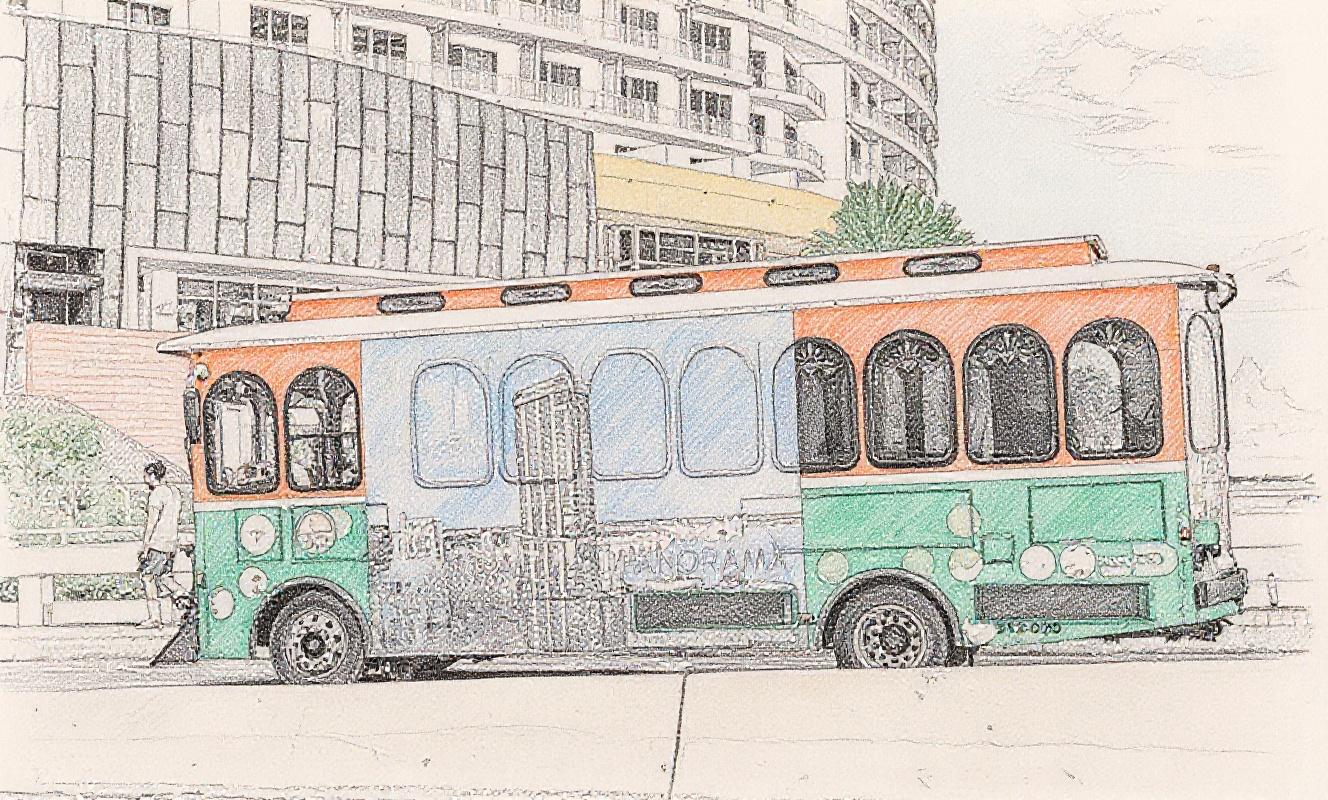
- The Miami Intermodal Center (MIC), adjacent to Miami International Airport, serves as the main transit hub, connecting Metromover, Metrorail, Tri-Rail, the Miami Trolley, Metrobus, and Broward County Transit.
- Inter Miami ambassadors guide fans along the walking route, and eight Metrobus routes — including routes 7, 20, 36, 37, 42, 57, 150, and 338 — serve the MIC.
The opportunity ahead is to lock in the pedestrian connection before the district reaches full density
The one ingredient still maturing is the physical walk between the Miami Intermodal Center and the park. As of March 2026, the South Florida Regional Transportation Authority (SFRTA) confirmed that the planned footbridge to ease the quarter-mile walk from Freedom Park to trains had yet to be built. The federal funding secured for the civic-center pedestrian bridge is the right template: a covered, wayfound, universally accessible connection that works at 9 a.m. on a Tuesday for a county employee just as well as it works at 10 p.m. after a match. State grants have already committed $8 million to a 3,600-linear-foot main road through Freedom Park and $3 million for flood mitigation and infrastructure improvements, so the public funding mechanism is proven. The pedestrian bridge should follow as the next logical step — and transit planners, city officials, and SFRTA should treat it as a shared priority, not a post-opening afterthought.
Freedom Park shows what transit-adjacent development looks like when the transit already exists
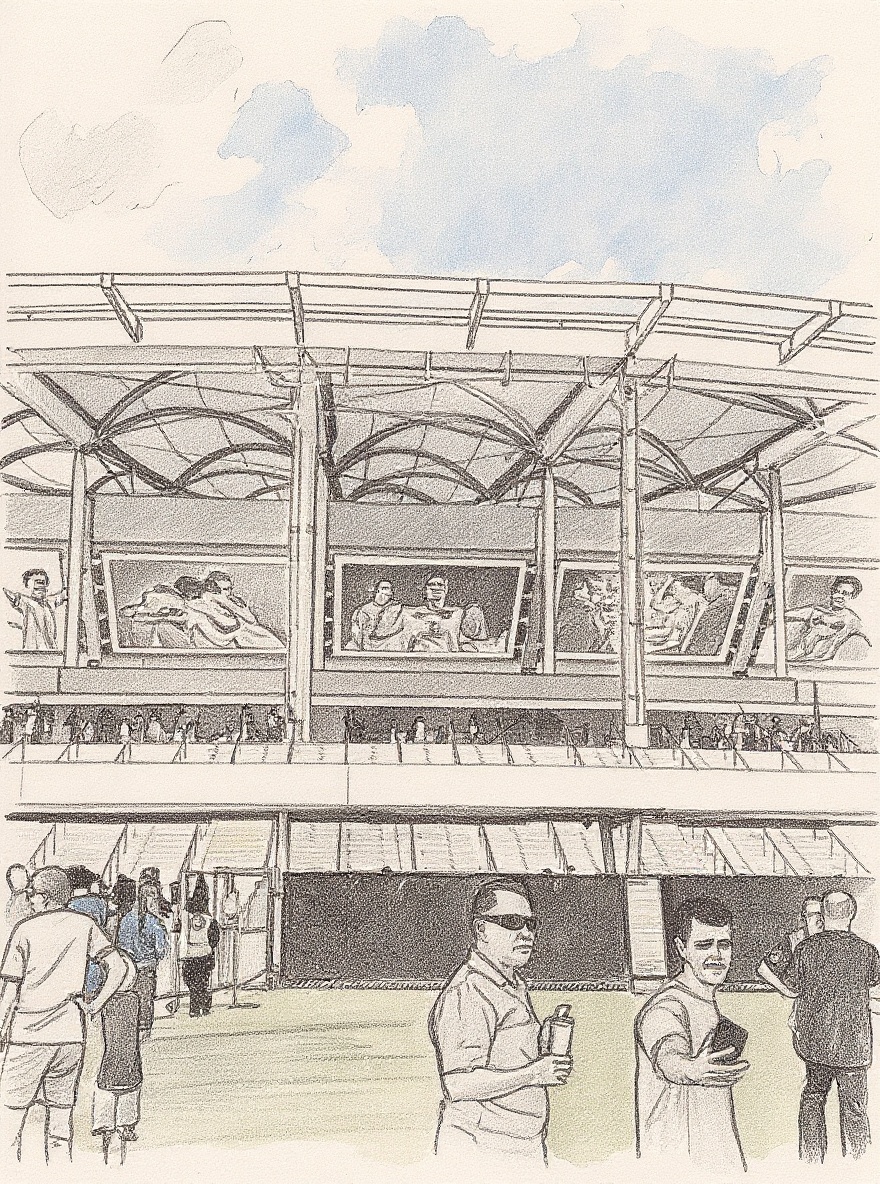
Nu Stadium opened April 4, 2026, as a 26,700-seat venue served by Tri-Rail, Metrorail, and the MIA Mover at the Miami Intermodal Center — transit infrastructure that was already in place long before a single shovel hit the ground. That sequencing matters enormously. South Florida has spent decades debating whether to build transit where people already are. Miami Freedom Park inverts the usual anxiety: the transit spine existed; the city built the destination on top of it. The 130-acre, $1 billion mixed-use development is anchored by Inter Miami CF's stadium near Miami International Airport, a location that puts it within reach of residents from Hialeah to Homestead to Hollywood — all connected through the MIC.
When the civic center opens, when the retail and hotel keys fill, and when that pedestrian bridge finally arcs over the canal, Miami Freedom Park will be something South Florida has never quite had before: a car-optional, transit-served neighborhood that grew up around a stadium rather than one that simply hoped transit would show up later. The city gave itself the tools. Now it gets to build the city around them.