Miami-Dade County's most transit-underserved corridor just got its most practical upgrade in years: a commissioner-led, surtax-funded community shuttle that for the first time bridges Districts 2 and 3, knitting together North Miami, Opa-locka, Liberty City, Little Haiti, Overtown, and the neighborhoods in between.
The District 2–3 Shuttle Fills a Gap the Metrobus Map Has Always Shown
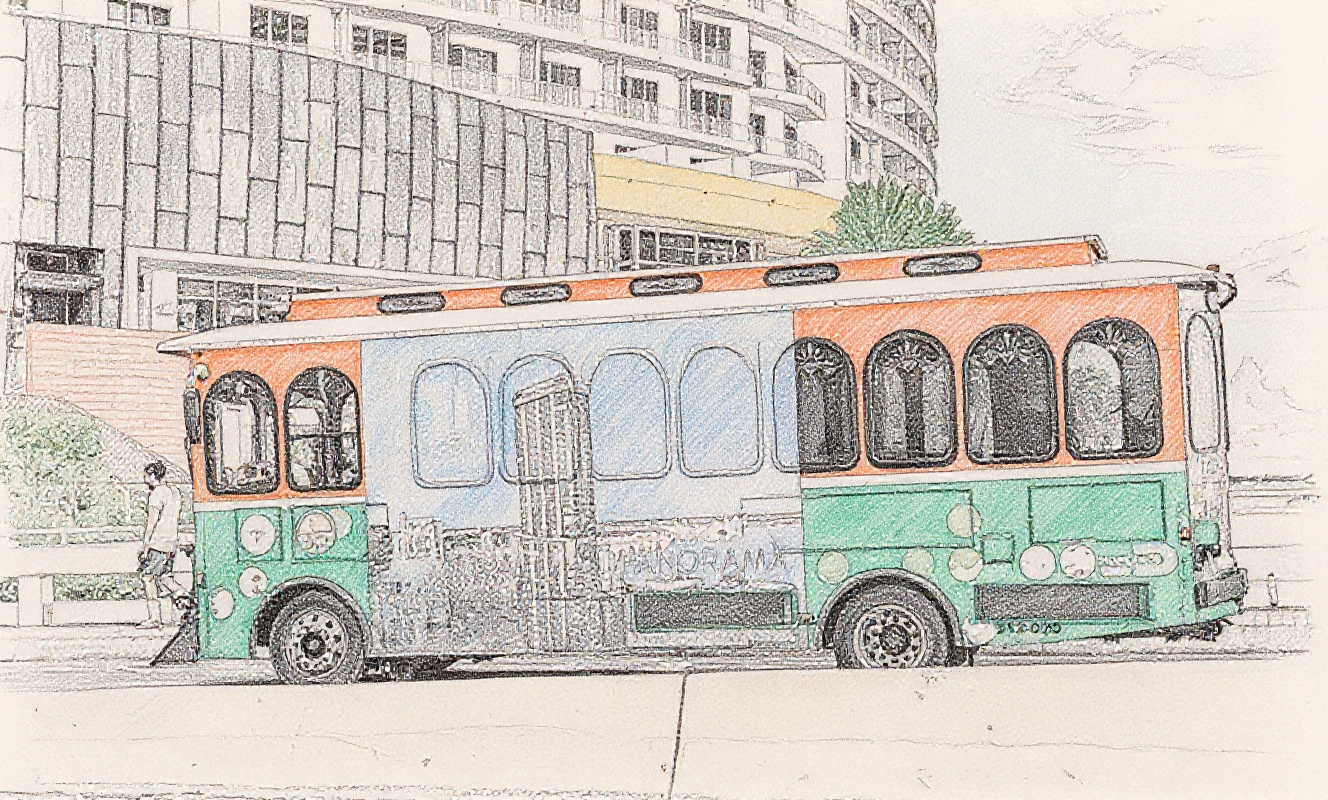
On October 3, 2026, Miami-Dade County Commissioners Marleine Bastien and Keon Hardemon jointly announced the launch of the county's first-ever shuttle linking their two districts — a route designed to carry residents to transit hubs, medical appointments, grocery stores, and schools across some of the county's most car-dependent, low-income neighborhoods. Miami-Dade County launched its first-ever joint community shuttle linking Districts 2 and 3, a new route designed to carry residents to transit hubs, stores and medical appointments across North Miami, Opa-locka, Liberty City, Little Haiti, Overtown and surrounding neighborhoods. That sentence alone is a small landmark: two of Miami-Dade's most densely populated urban districts have never shared a dedicated connector before.
- District 2, represented by Bastien, covers North Miami, Opa-locka, and portions of Hialeah and Miami, and holds the county's largest concentration of Haitian-American residents.
- District 3, represented by Hardemon, spans urban core neighborhoods including Liberty City, Little Haiti, Overtown, Wynwood, Midtown and Edgewater.
- Bastien and Hardemon framed the shuttle as a direct response to gaps in how residents in their districts get to work, school and doctor's appointments without a car.
- Shuttles like this one typically draw funding from Miami-Dade's half-penny transportation surtax, which requires 20% of proceeds to flow directly to municipalities for local transportation projects, including community shuttles and circulators.
The Half-Penny Surtax Is the Right Funding Lever — and This Is Exactly What It Was Built to Do
The People's Transportation Plan (PTP), Miami-Dade's half-penny transportation surtax, was designed from the start to let neighborhoods build the last-mile connections that the county's trunk system cannot reach on its own. The ordinance creating the half-penny transportation surtax calls for 20 percent of surtax proceeds to be distributed directly to municipalities on a pro rata basis for use on local transportation and transit projects. What Bastien and Hardemon have done is deploy that mechanism at the county commission level — a cross-district partnership that sidesteps the fragmentation that normally limits surtax-funded services to single-municipality routes. That's creative governance, and it deserves recognition.
- The Citizens' Independent Transportation Trust (CITT) oversees the People's Transportation Plan, ensuring responsible use of the half-penny surtax, and the investments are connecting people and communities while supporting economic growth.
- Transit officials have been grappling with a roughly $25 million annual hit to county sales tax revenue from commercial leases, the result of a change in Florida state law, which has strained operating funds for the broader system. The shuttle's surtax funding stream is separate from those operating pressures — a structural advantage worth preserving.
- Hardemon's track record includes a $2.9 million naming-rights deal that renamed the Civic Center Metrorail station to improve links to UHealth and Jackson Health System. The shuttle continues that tradition of practical, outcome-focused mobility investment.
The Shuttle Points Directly at What the North Corridor Must Eventually Replace
This new shuttle is a solution for today — but the strategic context around it makes it more than a convenience. The corridor it threads through — NW 27th Avenue and its surrounding neighborhoods — is the same one that Miami-Dade's Strategic Miami Area Rapid Transit (SMART) Program has targeted for a 10-mile heavy rail extension for nearly a decade. The corridor spans 19 neighborhoods across three county commission districts and is home to more than 209,000 residents, with nearly 90% driving to work, often spending 30 minutes or more commuting. Many also rely on Metrobus Route 27, which faces the same congestion as cars.
- Miami-Dade County is moving forward with a $4.7 billion plan to build a new transit corridor, with the county expecting to finalize the North Corridor TOD Master Plan in 2026 and anticipating construction beginning in 2030.
- As part of the plan, the county will develop nine proposed elevated stations along the route, promoting walkability to local opportunities within a one-mile radius of each station.
- A foundation was laid out for proposed North Corridor Heavy Rail Transit at a May 2025 Joint Workshop, which will be used to coordinate with the Federal Transit Administration on the level of environmental analysis and develop a funding strategy with local, state, and federal agencies.
The shuttle and the rail plan are not in competition — they are in sequence. A community that has a functioning circulator today arrives at a future Metrorail station with established transit habits, riders who already know how to transfer, and destinations already oriented around stops. Think of it as corridor priming: every month the shuttle runs, it is building the ridership culture that a $4.7 billion rail investment will need on day one.
The October 6 County Commission Meeting Is the Next Moment to Watch
The shuttle launch lands at a pointed moment. A public meeting is scheduled before the Miami-Dade County Board of County Commissioners on Tuesday, October 6, 2026, at 9:30 a.m., which will include discussion and resolutions regarding proposed transportation service changes. The FY 2026-27 budget, approved on September 18, 2026, includes changes to Metrobus service. The commissioners launching this shuttle — both voting members of the Miami-Dade Transportation Planning Organization Governing Board — are in a position to argue forcefully on October 6 that their districts' mobility cannot absorb further Metrobus reductions without alternatives already in place. The shuttle gives them something concrete to point to.
That is the real power of what Bastien and Hardemon have built: not just a new route, but a piece of evidence. Evidence that transit demand in North Miami and the urban core is real, that surtax funding can be deployed nimbly, and that the neighborhoods along the future North Corridor are ready to be served. When the rail finally comes, these commissioners will have already done the work of showing it where to stop.