Miami-Dade County is simultaneously celebrating its first real rapid-transit win in a generation and quietly dismantling the financial foundation needed to deliver the next five.
The South Dade TransitWay's early success makes the funding retreat even harder to excuse
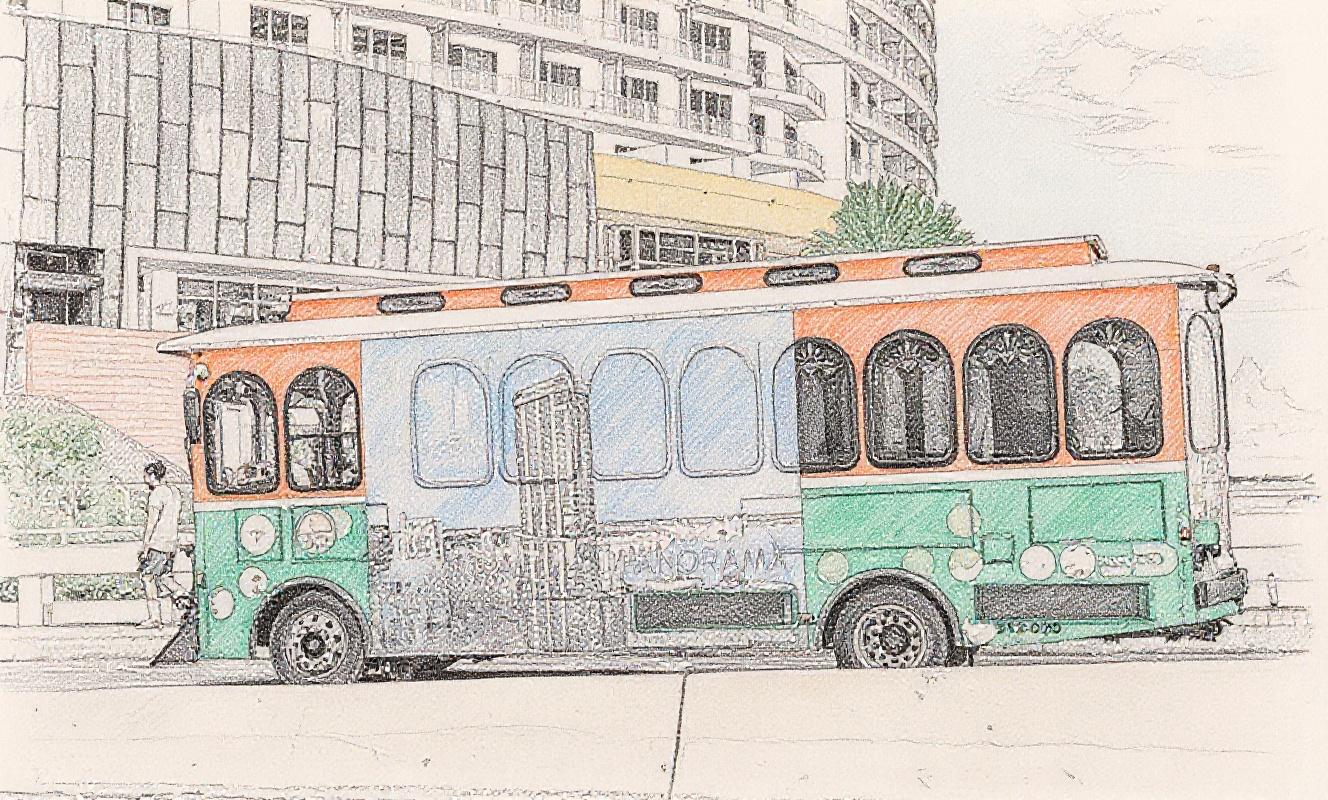
Miami-Dade's Department of Transportation and Public Works (DTPW) reported in a 2026 county resolution that the new Metro Express Bus Rapid Transit (BRT) service along the South Dade TransitWay is already drawing approximately 2,500 more weekday riders than the prior express service it replaced — a meaningful early signal that South Florida riders will show up when the product is competitive. The Metro Express and TransitWay Local services are already attracting approximately 2,500 more weekday riders than the prior express service, and ridership is expected to continue increasing as travel times stabilize and public awareness grows. That is a genuine win. The 20-mile route, one of the Strategic Miami Area Rapid Transit (SMART) Program's priority corridors, offers Bus Rapid Transit between the Dadeland South Metrorail Station and Florida City — and it is the first of six SMART corridors to advance to construction under the long-planned initiative.
- South Dade TransitWay: 20-mile BRT corridor from Dadeland South to Florida City, opened summer 2026
- 14 new stations with prepaid fares, level boarding, and dedicated 60-foot electric buses
- Only 42 of 100 ordered battery-electric buses had been delivered by manufacturer New Flyer as of the corridor's opening period
- $920,550 in State Fiscal Year 2026 funds from FDOT's Transit Corridor Development Program to support BRT operating costs
A $7.6 billion hole confirms the SMART plan was always a promissory note, not a funded program
On July 9, 2026, Mayor Daniella Levine Cava's office released a memo, co-authored with DTPW and first obtained by the Miami Herald, that finally stated what transit advocates have known for years: the county cannot build the remaining five SMART corridors without new money. Based on today's dollars, the county estimates the SMART program is $7.6 billion short of what it needs to build, operate, and maintain projects over the next 20 years, with construction and labor costs and the loss of major state transit monies further straining funding. The remaining corridors — North, Beach, East-West, Kendall, and Northeast — still lack funding despite having been part of the SMART plan since its adoption in 2016.
Potential funding suggestions include an increase to the county's transportation sales tax — from half a penny to a full 1-cent surtax — and creating a property tax solely for transit projects. County commissioners are expected to discuss the memo at their July 21, 2026 meeting. These are legitimate tools. But the county is not just asking for more — it is simultaneously proposing to drain what little it already has set aside.
Raiding the rail reserve to patch bus operations is a fiscal shell game with a 20-year cost
The county's proposed Fiscal Year 2026–2027 budget would redirect $89 million from the Transportation Infrastructure Improvement District (TIID), a reserve fund built specifically for future rail capital, toward covering near-term operating shortfalls. Mayor Daniella Levine Cava announced a plan to redirect an $89 million reserve currently set aside for future rail projects, with the transit budget using those one-time reserve dollars to delay the steeper cuts needed to sustain Metrorail, Metromover, and the bus system. The TIID held roughly $120 million at the start of 2026.
- The plan would eliminate 12 of the transit system's 74 bus routes — providing roughly 2% of total weekday rides — and would also eliminate late-night service on dozens of other routes
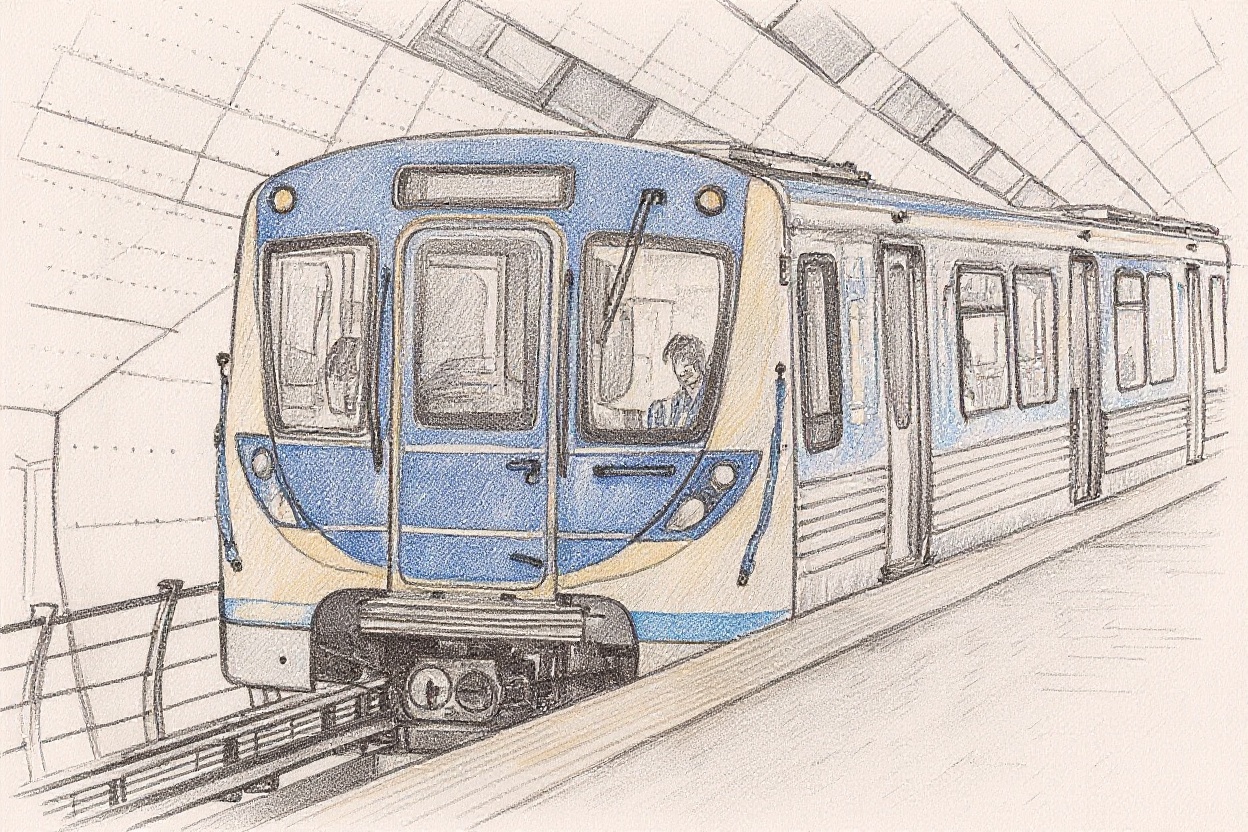
- Miami-Dade's Metrorail recorded 14,971,300 trips in 2025, with an average of 51,600 weekday riders as of the first quarter of 2026
- Miami-Dade has not adjusted transit fares since 2013, even as operating costs have risen dramatically and service demands have grown
Spending tomorrow's rail savings to plug today's bus deficit is not stewardship — it is borrowing against a future that South Florida desperately needs. The county cannot credibly ask voters to approve a new penny sales tax for transit expansion while burning through the existing capital reserve to stay afloat.
Commissioners must choose between a courageous ask and another decade of decay
Mayor Levine Cava deserves credit for putting the funding gap in writing and presenting real options rather than pretending the math works. But the simultaneous proposal to gut the TIID undercuts the urgency of that message. Levine Cava's latest memo isn't the first time a mayor has raised doubts about whether Miami-Dade can fulfill its transit expansion promises: in 2019, then-Mayor Carlos Giménez wrote his own memo noting that the 2002 half-percent sales tax had generated $3 billion but failed to deliver on its biggest promises. A third mayoral memo in another seven years is not an outcome this region can afford.
The July 21 commission meeting is the moment to demand both honesty and discipline: protect the TIID, publish a credible corridor construction timeline, and bring a funding measure to voters before the next election cycle. The 2,500 new daily riders on the South Dade TransitWay just proved the market is there. Miami-Dade needs to decide whether it is serious about serving it.