Fort Lauderdale is quietly building the transit-oriented neighborhood that South Florida has been theorizing about for two decades, and the numbers arriving in summer 2026 make the case better than any planning document ever could.
The Cypress Creek Tri-Rail Station Is Becoming the Spine of a New Urban Village
The area around the Cypress Creek Tri-Rail station in Fort Lauderdale's northwest corridor is absorbing one of the densest residential development waves in Broward County's history. As of June 24, 2026, a business district near the Fort Lauderdale Executive Airport known as Uptown Urban Village is undergoing a major transformation — and more than 3,000 apartments are in the pipeline for the immediate area, with an additional 4,000 planned for nearby Pompano Beach. Local business owner Adam Siegel put it simply: "Between the two areas, within a mile and a half of here, we have about 7,000 new apartments going up that'll be occupied in the next two years."
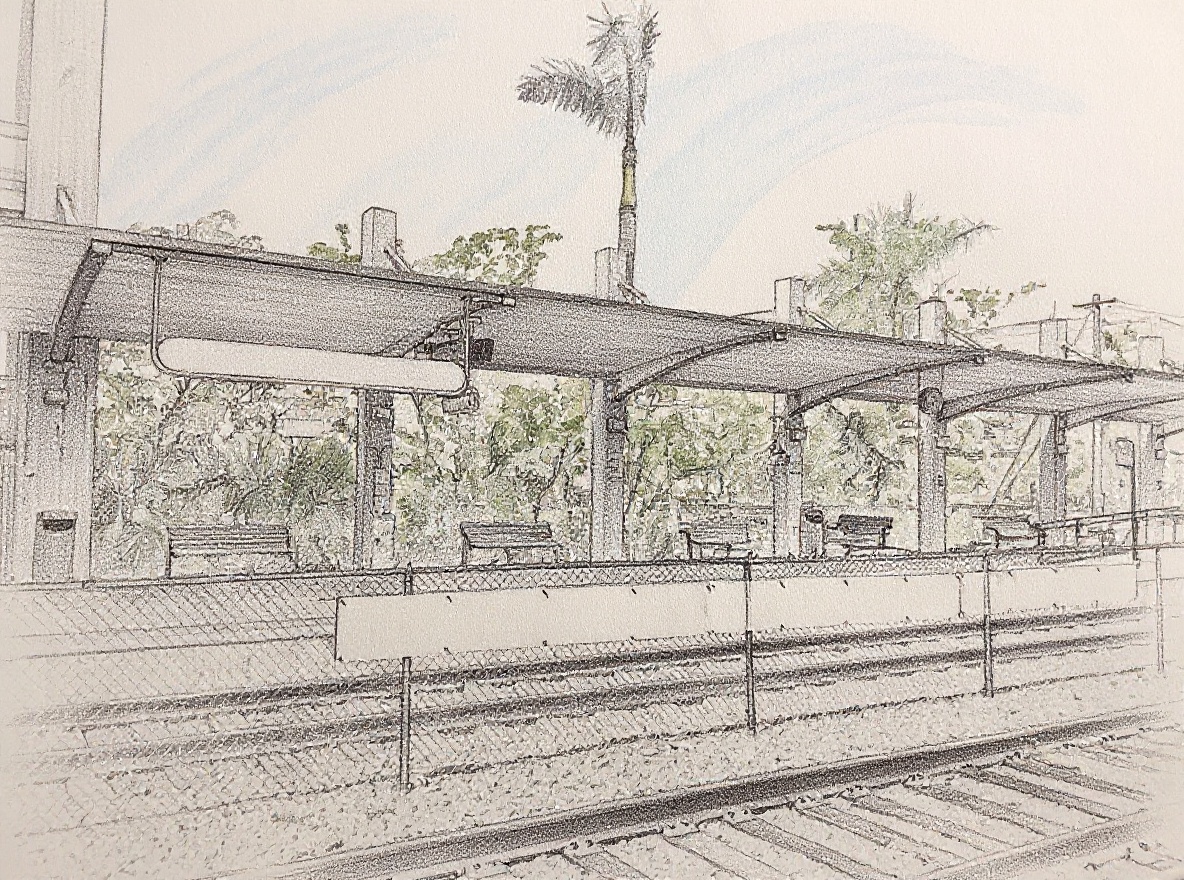
The transit anchor holding this all together is the Cypress Creek station, which sits at the heart of the district. The Cypress Creek Mobility Hub is the second largest commercial district in Broward County, and home to a Tri-Rail station, Tri-Rail shuttles, Broward County Transit (BCT) bus service, and easy access to I-95. Developers didn't place their bets here by accident — they followed the train.
- Fairfield Cypress Creek: 295 homes in an eight-story building at 6500 N. Andrews Avenue, with accompanying retail and restaurant spaces.
- Avery Cypress Creek: a seven-story development offering 200 units at 6210 N. Andrews Avenue.
- Mayla Cypress Creek: a seven-story building housing 312 residences at 6261 NW Sixth Way.
- Cypress Development's 15-building project of nearly 1,000 units on the former Pan American mobile home park site — unanimously approved by the Fort Lauderdale City Commission — includes 146 units of affordable housing at 120% AMI or below for at least 30 years.
The Master Plan Behind the Momentum Is Working Exactly as Designed
The Uptown Urban Village covers roughly 360 acres west of I-95 between McNab Road and Northwest 56th Street, and the idea dates to 2014, when a group of landowners and business owners proposed capitalizing on the area's proximity to Fort Lauderdale Executive Airport, I-95, and the Cypress Creek Tri-Rail station. The City Commission adopted a master plan in 2019 to rezone the area for more housing, mixed-use development, and walkability. That's the textbook definition of transit-oriented development (TOD): layer the zoning permission on top of the transit infrastructure, and watch private capital do the rest.
The idea — over a decade in the making — is to rebrand and revitalize the busy commercial area with new mixed-use sites, including affordable housing, to attract more young professionals to live closer to where they work. Vice Mayor John Herbst captured the civic ambition well: "We're really looking forward to making this another economic generator for the city of Fort Lauderdale besides just downtown."
Now the Mobility Hub Needs to Keep Pace With the Residential Wave
Seven thousand apartments means tens of thousands of future commuters, and the good news is that the institutional framework to serve them already exists. The Broward Metropolitan Planning Organization (MPO), in partnership with the South Florida Regional Transportation Authority (SFRTA), which operates Tri-Rail, the Florida Department of Transportation (FDOT), Broward County, the City of Fort Lauderdale, and the City of Oakland Park, are actively identifying infrastructure improvements and joint development opportunities at the Cypress Creek Mobility Hub — with the explicit goal of spurring continued growth, enhancing walkability, and promoting multiple modes of transportation.
This is the right coalition at the right moment. Tri-Rail averaged 14,500 weekday riders in the first quarter of 2026, according to SFRTA. That figure has room to grow significantly as Uptown's new residents come online. Across the county line, Miami-Dade's experience with its newly launched South Dade TransitWay offers a template for what happens when you pair new infrastructure with new demand: since Metro Express service launched, the corridor is already attracting approximately 2,500 more weekday riders than the prior express service, and ridership is expected to continue increasing as travel times stabilize and public awareness grows.
The lesson generalizes. When riders have a real reason to board — a quality station experience, a walkable neighborhood on both ends of the trip, and a destination worth reaching — they show up.
Fort Lauderdale's Uptown Can Be the Regional Model for Getting This Right
Fort Lauderdale is not Miami, and that turns out to be a genuine advantage here. Fort Lauderdale Mayor Dean Trantalis has expressed hope that the city can "grow in a more organic way, incrementally in a way that will slowly absorb the population without overwhelming the infrastructure that currently is in place." The Uptown Urban Village strategy — rezoning around an existing commuter rail node rather than building infrastructure to chase development that's already happened elsewhere — embodies exactly that incremental wisdom.
The path forward is visible from here: more frequent Tri-Rail service on the South Florida Rail Corridor to match the new ridership demand, enhanced BCT connections from surrounding neighborhoods to the Cypress Creek Mobility Hub, and pedestrian infrastructure that makes the walk from station to apartment genuinely pleasant. None of these steps require new rail lines or billion-dollar tunnels. They require the agencies already at the table — SFRTA, the Broward MPO, the City of Fort Lauderdale — to move in coordination at the speed that 7,000 incoming apartments demands.
When this goes right, Uptown Urban Village becomes South Florida's clearest proof-of-concept: that the region can grow smarter, denser, and more connected at the same time — and that a commuter train station, given the right zoning and the right political will, can anchor a whole new city.
Correction, October 11, 2026: An earlier version of this article said Tri-Rail carries 13,400 weekday riders. That figure included Fort Lauderdale airport bus service, which the South Florida Regional Transportation Authority (SFRTA) does not count as Tri-Rail rail ridership. SFRTA reports a rail-only weekday average of 14,500 for January–March 2026.