Miami Beach's free water taxi has done in seven months what decades of causeway-widening could not: convinced thousands of daily commuters that the bay is a feature, not a barrier — and the ridership numbers to back that up are now strong enough to anchor a much larger waterborne network.
The January 20 Launch Turned a Pop-Up Success Into a Permanent Commuter Lifeline
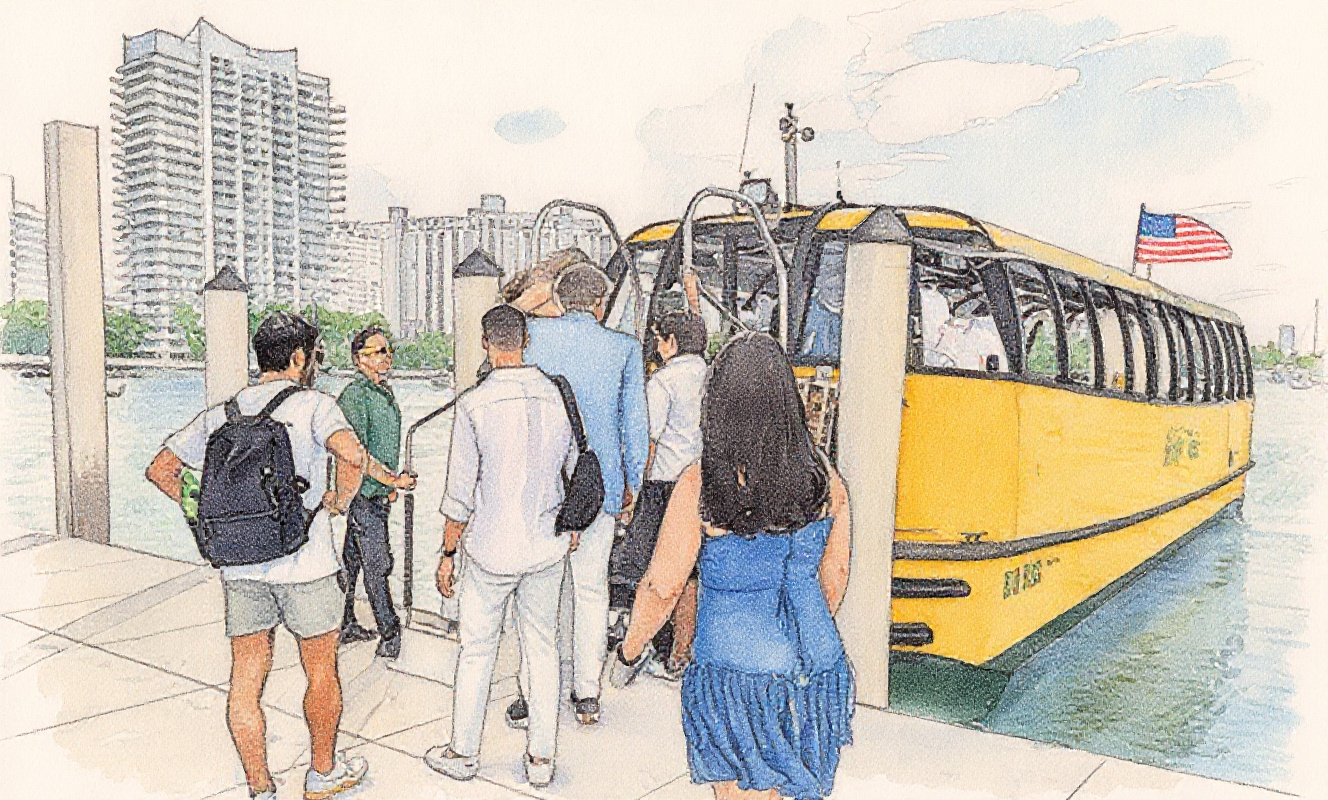
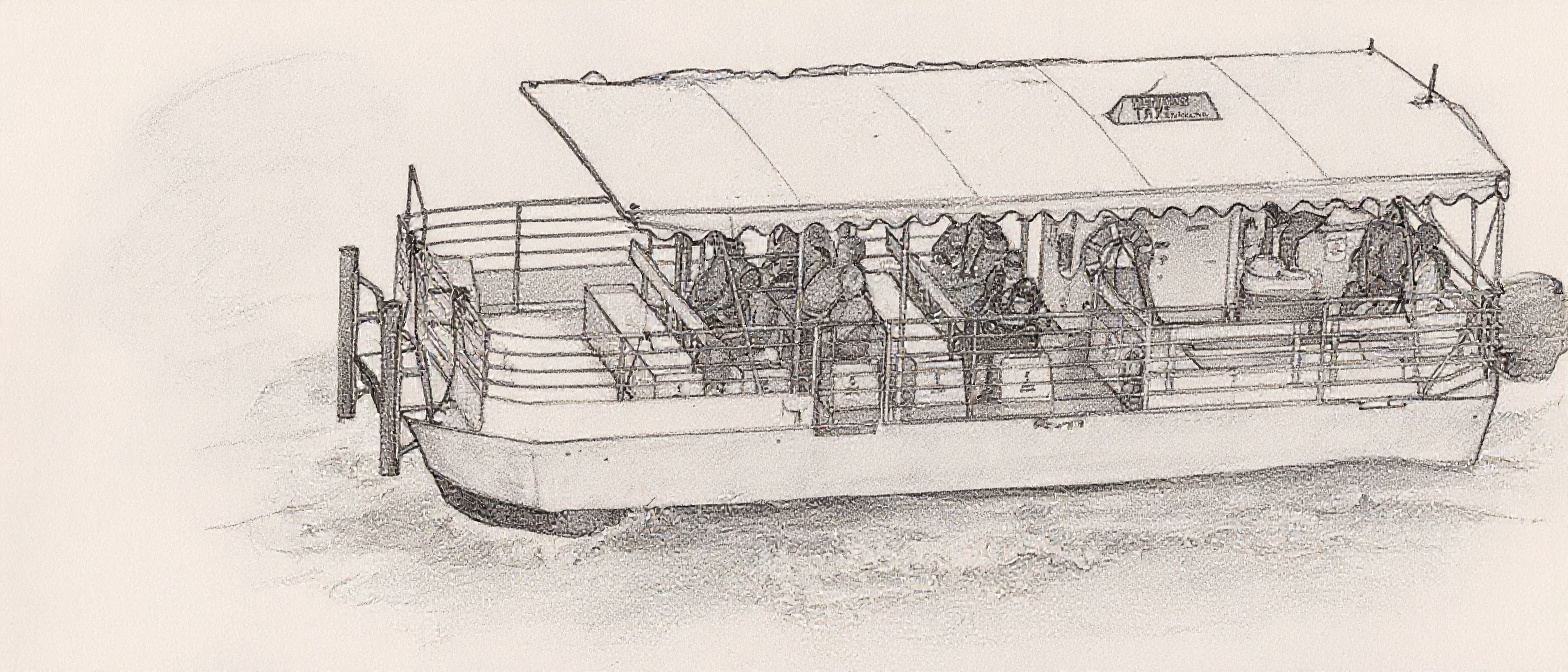
When the City of Miami Beach inaugurated free, year-round water taxi service on January 20, 2026, it was betting that a proof-of-concept from Art Week could survive the mundane demands of the Monday-morning commute. That bet paid off almost immediately. About 900 passengers boarded daily within weeks of the January 20 launch, according to Transportation and Mobility Director José González. That figure climbed further as the spring wore on: from its launch through May 1, 2026, the service carried 73,254 riders — roughly 1,000 per day — according to a memo from Mayor Steven Meiner. The contrast with Miami Beach's previous attempt at waterborne transit is striking. In June 2024, Miami Beach funded the 149-passenger Poseidon Ferry at $50,000 per month to run between Maurice Gibb Memorial Park and Sea Isle Marina, with adult one-way fares of $12. Average daily ridership on that paid service hovered around just 43 passengers before it was discontinued. Three things changed in 2026: the fare went to zero, the service became commuter-timed, and the city wove it into its existing trolley and Freebee network.
- January 20, 2026: Free commuter water taxi service launched between Maurice Gibb Memorial Park (Sunset Harbour) and Venetian Marina & Yacht Club in downtown Miami.
- $1.2 million annual operating cost split evenly between a Florida Department of Transportation (FDOT) grant ($600,000) and a City of Miami Beach match ($600,000).
- Each 40-foot vessel carries a maximum of 55 passengers.
- The Miami Beach Water Taxi is now integrated into Google Maps, so the platform automatically displays it as a travel option when riders enter nearby destinations.
Free and Integrated Is the Formula — and the Numbers Prove It
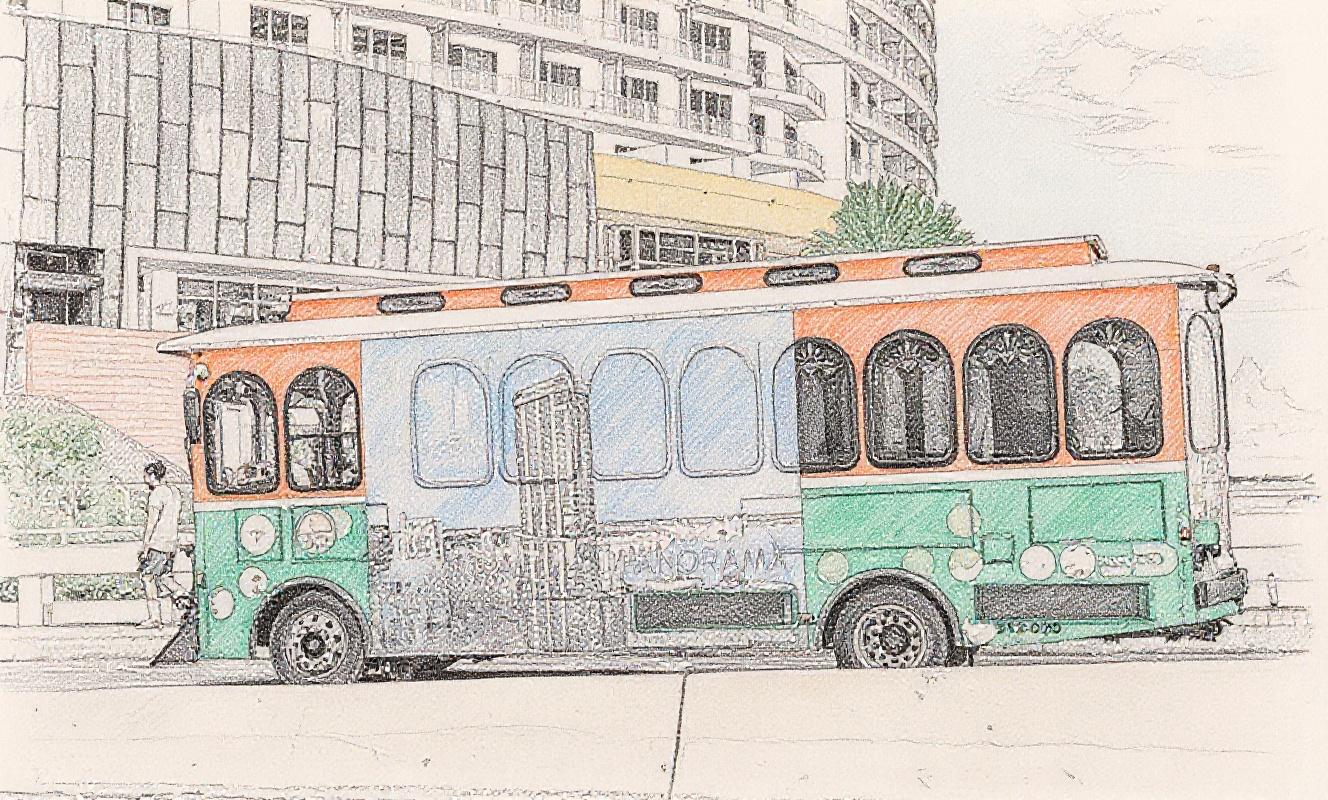
The water taxi's ridership surge is not an accident of novelty; it is the direct result of a deliberate design choice to connect the boat to every other free transit mode Miami Beach already operates. Miami Beach operates its free trolley system citywide and its free on-demand Freebee service in parts of Mid Beach and North Beach specifically to provide seamless connections to the water taxi. On the mainland side, riders can connect to Miami-Dade Transit at the OMNI Station or catch the Downtown–Brickell Freebee. The integration matters because it eliminates the "last-mile penalty" that sinks so many water transit experiments: nobody wants to pay for a scenic crossing only to stand on a dock waiting for a cab. By stitching the boat into the zero-fare stack on both shores, Miami Beach made it genuinely easier to go carless for the full trip.
- Mayor Meiner told the county Transportation Planning Organization that the taxi now turns away about 10% of would-be passengers due to capacity constraints.
- Mayor Meiner has characterized his ambition as "a countywide network that can interconnect so much of our county and our cities together."
- City leaders have noted that the full FDOT Baylink study once priced a bay crossing at over $1 billion — the water taxi delivers daily service for just $1 million, and a full network could be built for $10–20 million.
The Funding Path Forward Is Clear — and Achievable
The one genuine challenge ahead is scaling beyond the current single route without losing the fare-free model that made it work. Miami Beach leaders are actively studying how to expand the water taxi into a larger transit system connecting the city's three neighborhoods with each other and with Miami — exploring options including weekend service, additional rush-hour vessels, a South of Fifth route linking Miami Beach Marina to Bayside Marketplace, a north-south route between Maurice Gibb Memorial Park and Mount Sinai Medical Center, and a North Beach north-south route. Transportation Director González has noted that qualifying for federal funds requires demonstrating success and completing the feasibility research on dock locations and costs — work that is actively underway. The ridership record through May 1 already constitutes that demonstration of success. What the city needs next is a formal application to the Federal Transit Administration (FTA) and a coordinated ask to Miami-Dade County's Transportation Planning Organization — both of which Mayor Meiner and Commissioner David Suarez have already begun building toward. Commissioner Suarez, a Transportation Planning Organization member, brought a resolution seeking FDOT funds for the water taxi network in April 2026.
When South Florida gets this right — weekend boats, a north-south Indian Creek route, federal co-investment — Miami Beach's waterways stop being the city's most underused transit corridor and start being its most elegant one. Every other barrier city in America will be watching.