Miami-Dade County's bet on bus rapid transit is paying off in the only currency that counts: people actually riding it — and developers lining up next to the stops.
Metro Express has grown its ridership every month it has been running
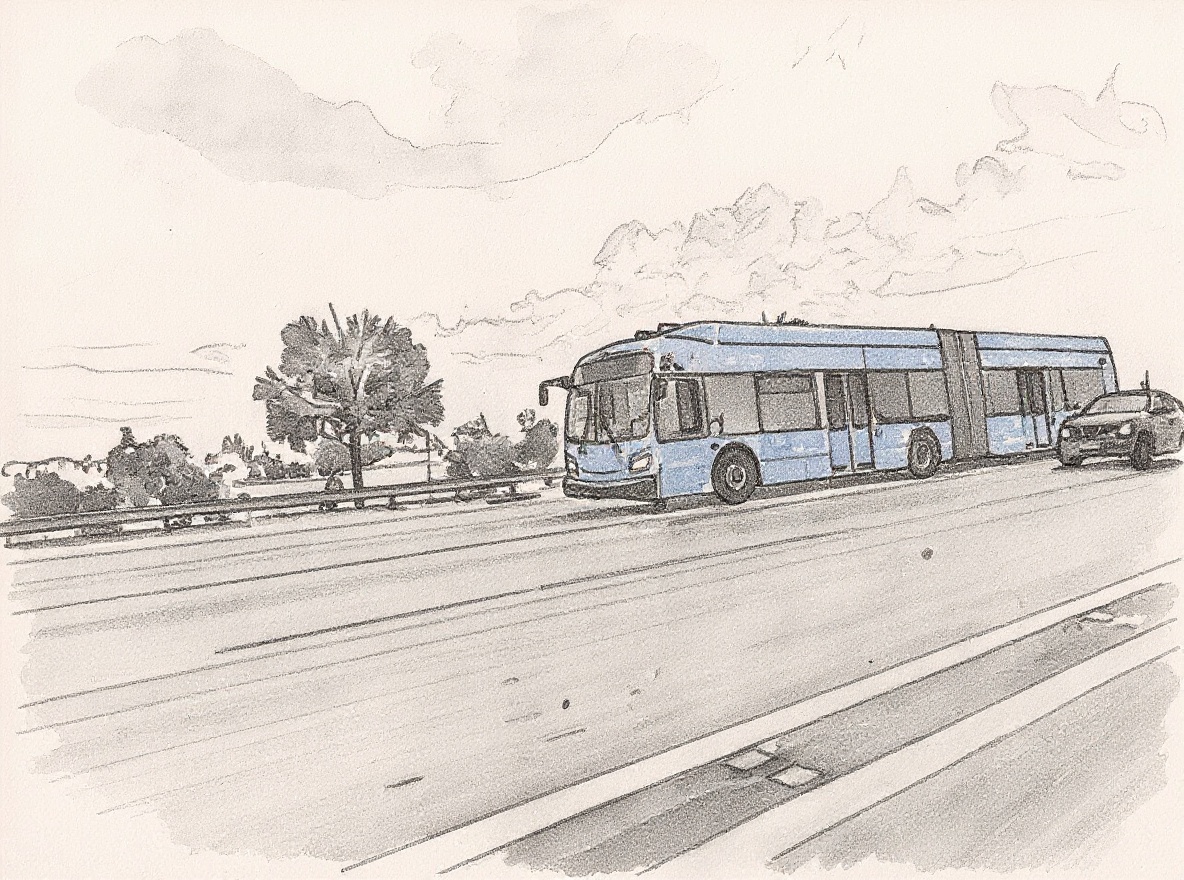
The new $368 million South Dade Bus Rapid Transit service has shown month-to-month gains through most of its first six months on the road, according to a July 8, 2026 Miami Today analysis of Miami-Dade Department of Transportation and Public Works (DTPW) data. The Bus Rapid Transit trips along a dedicated busway linking Florida City to the Dadeland South Metrorail station gained passengers from the prior month every month except one, through the most recent available tallies in April. That is a remarkable trajectory for a brand-new line in a region where transit skepticism runs deep.
- Metro Express launched on October 27, 2025 as Miami-Dade's first all-electric Bus Rapid Transit system.
- Since implementation, the Metro Express and TransitWay Local service are already attracting approximately 2,500 more weekday riders than the prior express service.
- The South Dade TransitWay extends 20 miles from the Dadeland South Metrorail Station to the SW 344th Street Park-and-Ride/Transit Terminal Facility, connecting Florida City, Homestead, Cutler Bay, Palmetto Bay, and Pinecrest to major transit hubs.
- This rapid transit project facilitates the highest demand of passengers traveling to and from southern Miami-Dade — communities that represent some of the fastest-growing in the county.
- A $920,550 Florida Department of Transportation (FDOT) grant in State Fiscal Year 2026 under the Transit Corridor Development Program is funding operating costs for the new BRT routes.
The corridor's infrastructure keeps getting stronger, not stalling out
Miami-Dade Transit (MDT) and DTPW are not resting on the launch. Gate arms at roadway intersections have been activated to manage traffic flow and improve safety for the dedicated bus corridor, and a construction phase at the SW 296th Street BRT station — the final significant work zone along the route — wrapped up in mid-June 2026. The system is genuinely end-to-end operational. And the county is investing to keep it that way: a new multi-level parking garage with 640-plus spaces and real-time space tracking is slated to open at SW 168th Street between 2026 and 2027, featuring EV charging stations and ADA accommodations.
- Stations feature level boarding, real-time arrival displays, free Wi-Fi, and bike storage; the all-electric buses offer charging ports, bike racks, and easy boarding through all doors.
- Miami-Dade is actively recruiting full-time bus operators with a $5,000 signing bonus, signaling intent to sustain and grow service frequency as ridership builds.
- County Mayor Daniella Levine Cava has said that growing BRT ridership is the pathway to applying for federal grants to eventually convert the corridor to light rail.
Downtown is watching — and developers are voting with their wallets
The transit momentum in South Dade does not exist in isolation. One mile away from the Metromover's Miami Worldcenter station, developers are making some of the largest transit-adjacent bets in the region's history. On July 21, 2026 — one day before this column — developer Witkoff, in partnership with Monroe Capital, secured a $302.6 million construction loan for 700 North Miami Avenue, a planned three-tower residential complex on one of Miami Worldcenter's final large-scale undeveloped parcels. The property sits a short walk from Brightline's MiamiCentral Station and other regional transit connections.
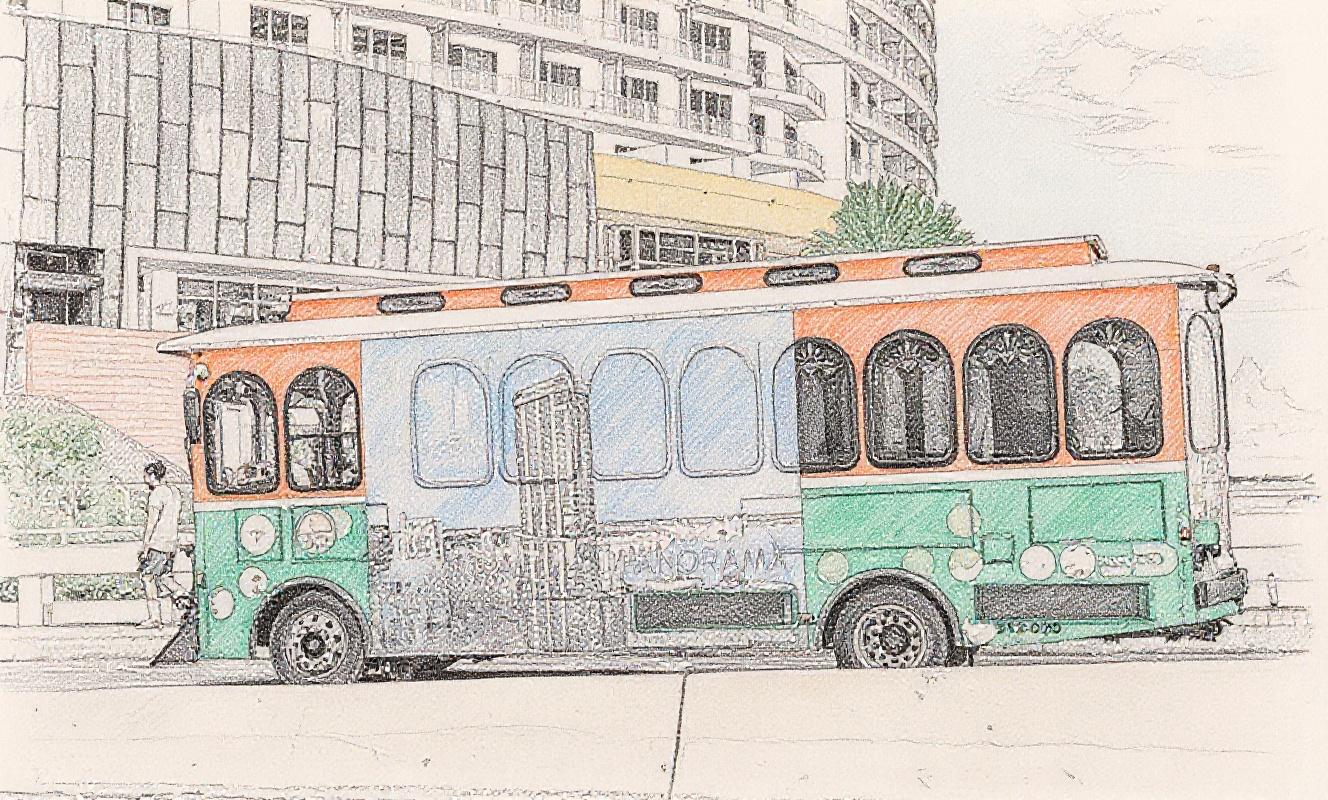
This follows a string of major investments that have coalesced around the Metromover's footprint: the retail component of Miami Worldcenter sold for $210 million in April 2026 to a joint venture led by Falcone Group with The Davis Companies and Jamestown. Miami Worldcenter is South Florida's largest transit-oriented development, adjacent to Brightline's MiamiCentral Station and integrated with Tri-Rail, the Metromover, Metrorail, and trolley systems.
Meanwhile, the Metromover itself — by far the busiest downtown people mover in the United States and considered a catalyst for downtown development — is in the middle of a deep overhaul. The system is undergoing a $153 million upgrade project aimed at improving reliability and speed. Yes, the timeline has stretched — county commissioners recently voted to extend an oversight contract for an added $15.5 million, with completion now projected as late as 2028 or 2029. But here is the right frame for that news: Metromover ridership reversed a year-long decline and registered 12% year-over-year passenger growth, with April ridership reaching 720,753 riders. Riders are showing up even with shorter hours during the upgrade. That is the definition of a system worth finishing.
South Dade's ridership growth is the evidence Miami-Dade needs to build more
Taken together, what Miami-Dade has assembled in mid-2026 is a compelling proof-of-concept: a BRT line that keeps growing, a Metromover undergoing a generational upgrade while still carrying three-quarters of a million riders a month, and a downtown development district attracting hundreds of millions in fresh capital precisely because transit is there. The Strategic Miami Area Rapid Transit (SMART) Program was always going to have to prove itself one corridor at a time. Should ridership continue to increase, the Metro Express line could build momentum for Miami-Dade to invest in transit upgrades elsewhere at a time when multiple rail projects are stalled.
The South Dade TransitWay is making that case in real time. When the next corridor comes up for a funding vote, the county will have nine months of growing passenger counts to point to. That is not a transit system in trouble. That is a transit system finding its footing — and that is exactly the moment to press forward.