Florida's updated Live Local Act is no longer just a zoning tool — it is becoming a capital magnet, and the South Dade TransitWay Bus Rapid Transit (BRT) corridor is where that shift is showing up first.
Private Lenders Are Now Betting on the South Dade TransitWay
On September 18, 2026, IPA Capital Markets — a division of Marcus & Millichap — announced it had secured $43 million in construction financing for Lyra Palmetto Bay, an eight-story, 192-unit workforce housing development at 17210 Homestead Avenue in the Village of Palmetto Bay, directly adjacent to the South Dade TransitWay. The project is being developed pursuant to Florida's Live Local Act and is designed to serve renters earning between 80% and 120% of area median income, providing high-quality housing at attainable rent levels. The lender, Pearlmark Real Estate Partners, closed the deal on behalf of a joint venture between Ora Development Group, a developer of workforce housing communities, and Conconcreto, a publicly traded construction services and development company headquartered in Medellín, Colombia.
The significance of that financing structure cannot be overstated. Institutional lenders do not bet on corridors they don't believe in. Pearlmark's participation is as close to a market verdict as South Dade has ever received.
- Construction began in July 2026 and is expected to be completed in December 2027.
- Residents will have access to a nearby TransitWay station, with connections to Metrorail at Dadeland Station for access to downtown Miami, Brickell, and the broader urban core.
- The 274,063-square-foot development will feature 192 residential units ranging from one to three bedrooms.
The TransitWay Itself Has Already Earned This Investment
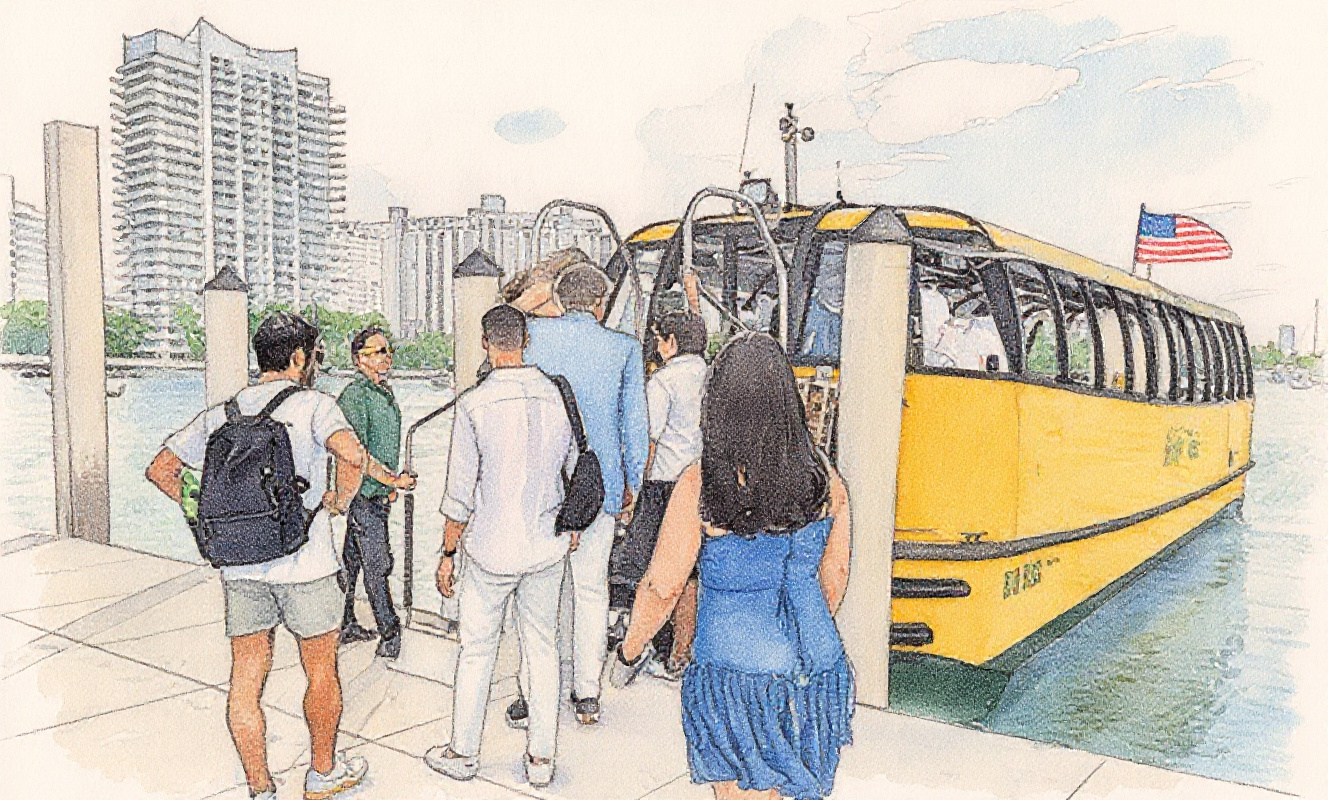
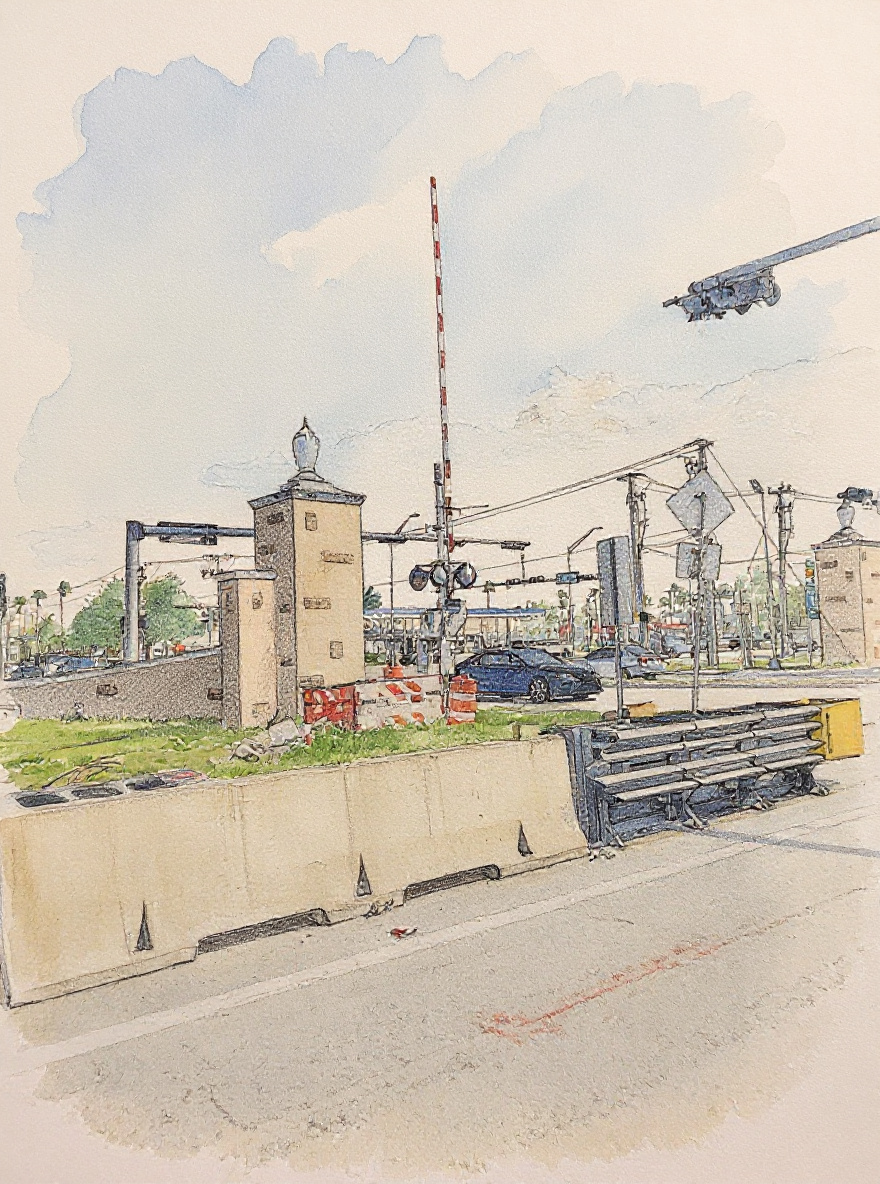
The South Dade TransitWay gave institutional capital something concrete to underwrite. Once in full BRT service, the TransitWay is the longest battery-electric BRT system in the nation on a dedicated corridor with level boarding, gate arms, and 14 state-of-the-art stations. The corridor is served by two routes: Metro Express (Route 601), which serves only the 14 BRT stations and two terminals, operating as frequently as every 7.5 minutes during weekday peak periods. Since implementation, the Metro Express and TransitWay Local service are already attracting approximately 2,500 more weekday riders than the prior express service. That is exactly the kind of demonstrated demand that turns a planner's map into a developer's underwriting model.
- The corridor runs 20 miles and connects Dadeland South Metrorail Station to the SW 344th Street Park-and-Ride, linking the Miami Central Business District to Pinecrest, Palmetto Bay, Cutler Bay, Homestead, and Florida City.
- Around 91,000 people live within a half-mile of the corridor, where about 65,000 work.
Live Local Act 4.0 Made the Math Work
The July 1, 2026 update to Florida's Live Local Act — House Bill 1389 — was the policy lever that converted a promising site into a fundable project. Florida House Bill 1389, the fourth version of the Live Local Act since its 2023 enactment, took effect July 1, 2026, expanding eligible sites, tightening height protections, and adding new exclusions and fair housing enforcement tools for affordable housing developers. The 2026 changes expanded zoning access to increase multifamily site eligibility, strengthened provisions protecting by-right building height authorization, and expanded Florida Fair Housing Act enforcement. For a project like Lyra Palmetto Bay, those protections are the difference between a viable capital stack and a deal that stalls in local review.
In South Florida, where suitable development sites are scarce and expensive, the land-use changes could have particular significance. "The most meaningful change is the expansion of the land that can potentially support affordable and workforce housing," said Alian Collazo, chief of commercial at MIAMI REALTORS + RWorld, noting that "access to appropriately located land has consistently been one of the largest obstacles to housing completions" in land-constrained markets like Miami-Dade, Broward, and Palm Beach counties.
Lyra Palmetto Bay is the answer to that constraint — eight stories of workforce housing delivered through a framework that sidesteps the years of discretionary review that would have killed it a decade ago.
What the Rest of the Corridor Can Become
Palmetto Bay's deal is a signal, not an endpoint. The South Dade TransitWay passes through some of Miami-Dade's fastest-growing communities, and the TOD master plan Miami-Dade County has already commissioned for the corridor gives every municipality along the line a planning framework to attract the next Lyra. Moderate-income households in South Florida are spending up to 74% of their income on housing and transportation costs — a burden the combination of BRT access and workforce rent levels is uniquely positioned to ease. When residents can reach Dadeland, Brickell, and downtown Miami without a car, and pay rents calibrated to 80–120% of area median income, the corridor stops being a geographic afterthought and starts being the most rational place to live in Miami-Dade.
The Live Local Act 4.0 framework, the TransitWay's growing ridership, and Pearlmark's $43 million check have just made that case — not in a policy brief, but in a binding loan agreement. What South Florida gains when this replicates northward along the 20-mile corridor is a BRT spine genuinely lined with the workforce housing the region has been trying to build for a generation.