Fort Lauderdale is about to replace an asphalt moat with a neighborhood — and the best time to design transit into that neighborhood is right now, while the city still holds leverage in the review process.
The Galleria Redevelopment Is Fort Lauderdale's Largest Density Bet in a Generation
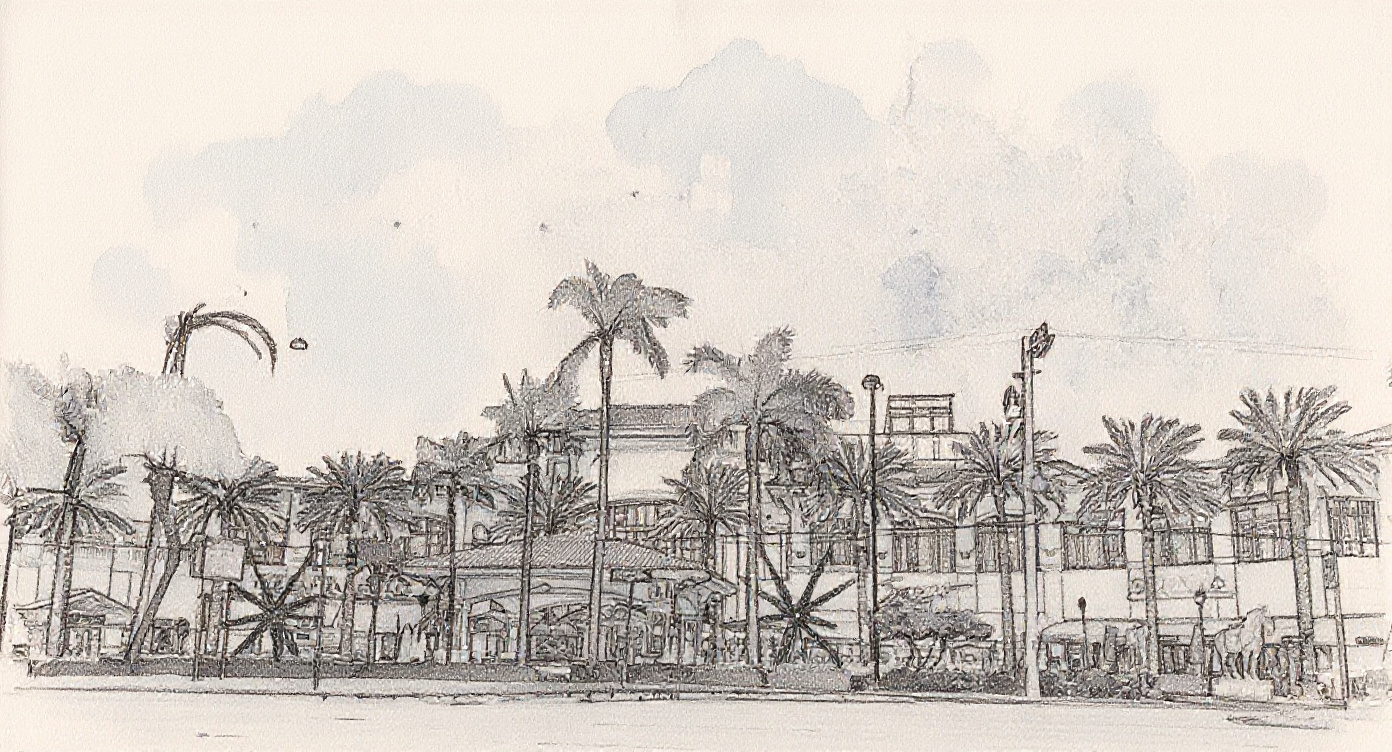
A joint venture between GFO Investments, founded by Russell Galbut, and InSite Group, led by CEO Ben Shmul, is proposing to transform the 31.5-acre Galleria at Fort Lauderdale site on East Sunrise Boulevard into a high-density mixed-use district of extraordinary scale. The development permit application landed at the City of Fort Lauderdale's Development Services Department in August 2025, and the project has been advancing through milestones ever since.
- On May 13, 2026, the Federal Aviation Administration (FAA) issued "Determination of No Hazard to Air Navigation" clearances for eight towers labeled B1 through B8, each rising 342 feet above ground.
- Plans filed with the city call for 3,144 rental apartments, of which 1,273 are designated workforce housing for households earning up to 120% of Broward County's area median income.
- The program also includes a 170-room hotel and retention of roughly 927,000 square feet of existing commercial space, plus 143,000 square feet of new retail, office, and restaurant space.
- In April 2026, Wayfair signed on as the retail anchor, committing to its first large-format Florida store — approximately 94,000 square feet across two levels, slated to open in late 2027.
- Florida's Live Local Act provides the statutory pathway, allowing density bonuses tied to affordability commitments and limiting some layers of municipal review.
The project is still under review by the City of Fort Lauderdale; no construction permits have been issued. That review window is an opportunity, not a bottleneck.
BCT and SoFloGO Already Reach the Site — the Next Step Is Frequency and Commitment
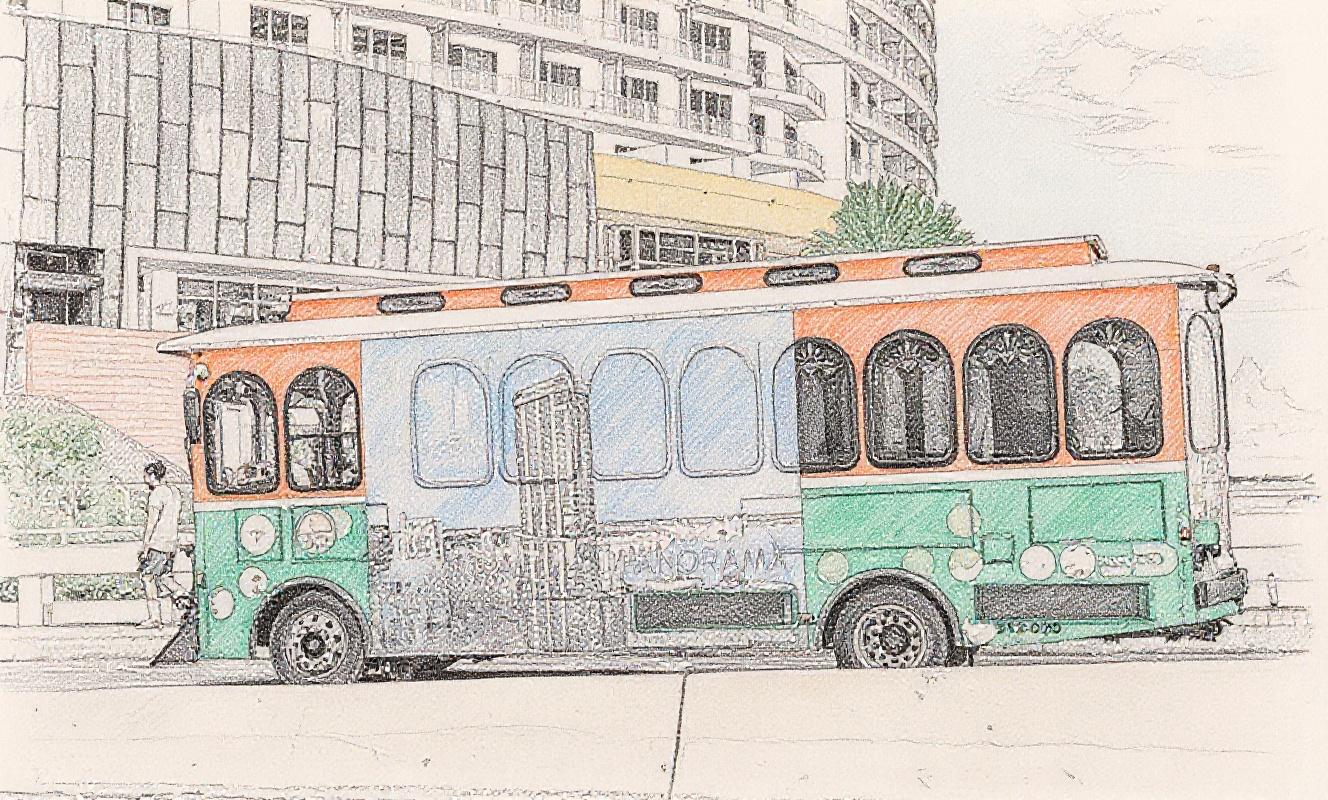
Broward County Transit (BCT) routes already serve Sunrise Boulevard and the Galleria's perimeter: Route 40 links the site to Lauderhill Transit Center through the Broward Central Terminal, and the Beach Link express adds a faster overlay. When 3,100-plus households arrive on 31.5 acres that previously held a low-density mall, those routes will need reinforcement — and the logical moment to negotiate that reinforcement is before ground is broken, not after.
- SoFloGO, the unified regional transit app launched August 11, 2025 by the South Florida Regional Transportation Authority (SFRTA) in partnership with BCT, Miami-Dade County Department of Transportation and Public Works (DTPW), and Palm Tran, already consolidates trip planning, real-time arrivals, and fare payment for all four systems in one platform.
- Powered by Moovit's routing technology and Genfare's payment infrastructure, SoFloGO reached more than 4,000 downloads within its first two weeks — demonstrating real rider appetite for cross-county integration.
- Within two weeks of its August 11, 2025 launch, SoFloGO had been downloaded more than 4,000 times, signaling that riders will adopt a unified tool when it actually works.
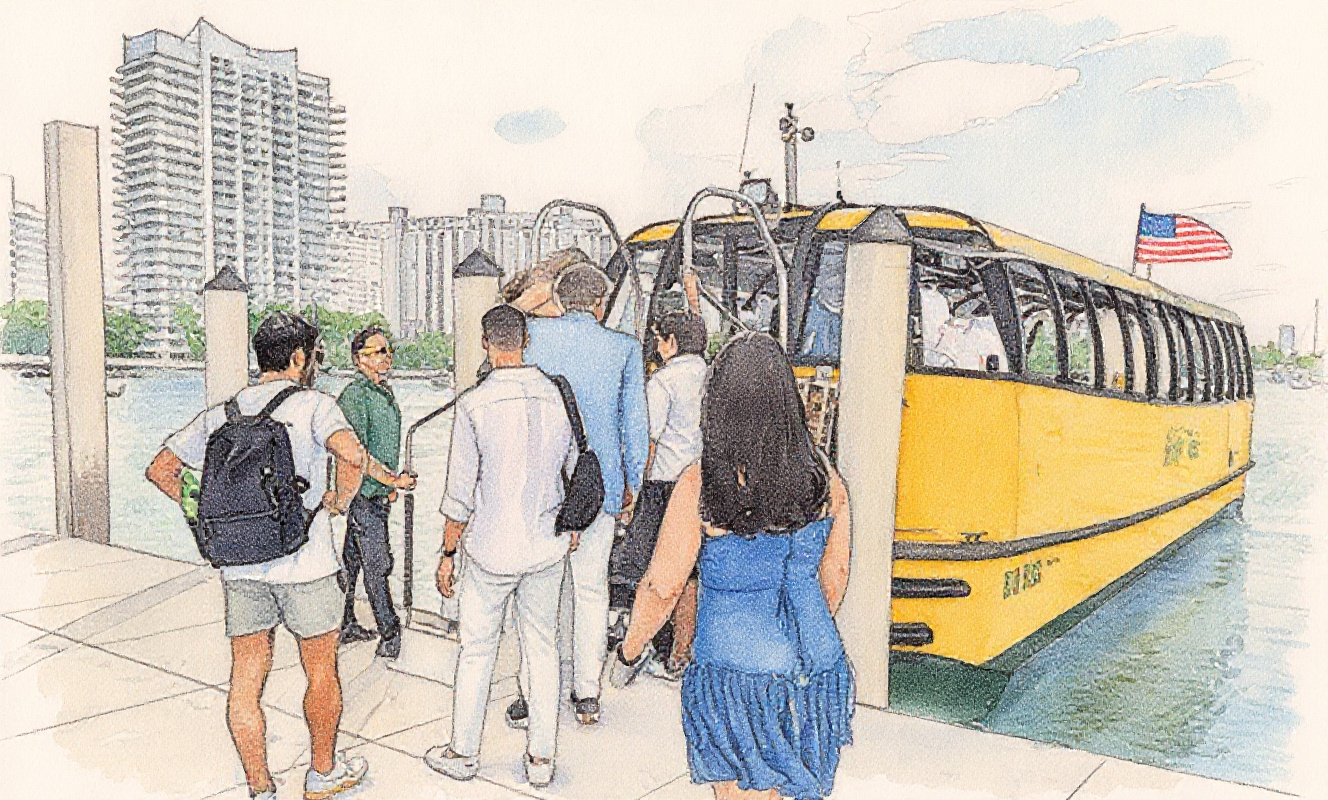
- The Galleria's location near the Intracoastal Waterway places it about a mile from Federal Highway (U.S. 1), the spine along which BCT's densest service runs — well within shuttle or enhanced-frequency range.
The city's ongoing development review gives Fort Lauderdale a concrete mechanism: community benefit agreements can include binding commitments for transit access improvements, enhanced bus pullouts, first-mile pedestrian connections, and developer contributions to BCT service enhancements. Other Florida cities have used that tool; Fort Lauderdale should too.
The PREMO Pipeline Makes This Corridor Worth Designing for Rail Right Now
BCT's Pulse Rapid Express Metro Operations (PREMO) light rail system — a 23.3-mile line advancing toward procurement as of mid-2026 — is designed to connect Fort Lauderdale-Hollywood International Airport to downtown Fort Lauderdale and Port Everglades. The Galleria sits on East Sunrise Boulevard, one of Broward County's highest-activity corridors, and any eventual light rail alignment serving the central beach area would naturally intersect with the density this project creates. Designing the Galleria's ground floor activation, parking structure placement, and pedestrian realm with a future rail station in mind costs almost nothing at the planning stage — and saves enormously once rail arrives.
- Fort Lauderdale's Uptown Urban Village, centered on the Cypress Creek Tri-Rail station, has already shown that 7,000-unit density clusters catalyze transit investment; the Galleria corridor deserves the same forward-looking treatment.
- Broward County's 2040 TransitFORWARD plan specifically identifies East Sunrise Boulevard as a high-priority corridor for enhanced rapid transit service.
- The 1,273 workforce housing units embedded in the Galleria plan represent exactly the transit-dependent household type that will benefit most from frequent, affordable bus and eventual rail service.
Fort Lauderdale Gains a Transit-Served Urban Core When This Goes Right
The loudest concern neighbors have raised about the Galleria project is traffic — and they are right to raise it. But the answer to traffic from 3,100 new households is not to block the housing; it is to make sure the housing comes with genuine alternatives to driving. Fort Lauderdale Mayor Dean Trantalis has pledged ongoing transparency and additional public workshops before any final votes. Those workshops are where transit access should be on the table, front and center.
When the Galleria's asphalt moat becomes a walkable neighborhood served by frequent BCT routes, bookable through SoFloGO, and designed to receive a future PREMO stop, Fort Lauderdale will have something it has never had: a true urban mixed-use district near its own beach, reachable without a car. That is the city the Galleria's neighbors say they want — and it is exactly the city that South Florida's transit network is being built to serve.