Fort Lauderdale's Flagler Village is no longer simply a neighborhood undergoing change — it is becoming the clearest example in Broward County of transit-oriented density actually closing in on itself, block by block, from multiple directions at once.
FAT Village's Topped-Out Towers Signal That the Density Is Real
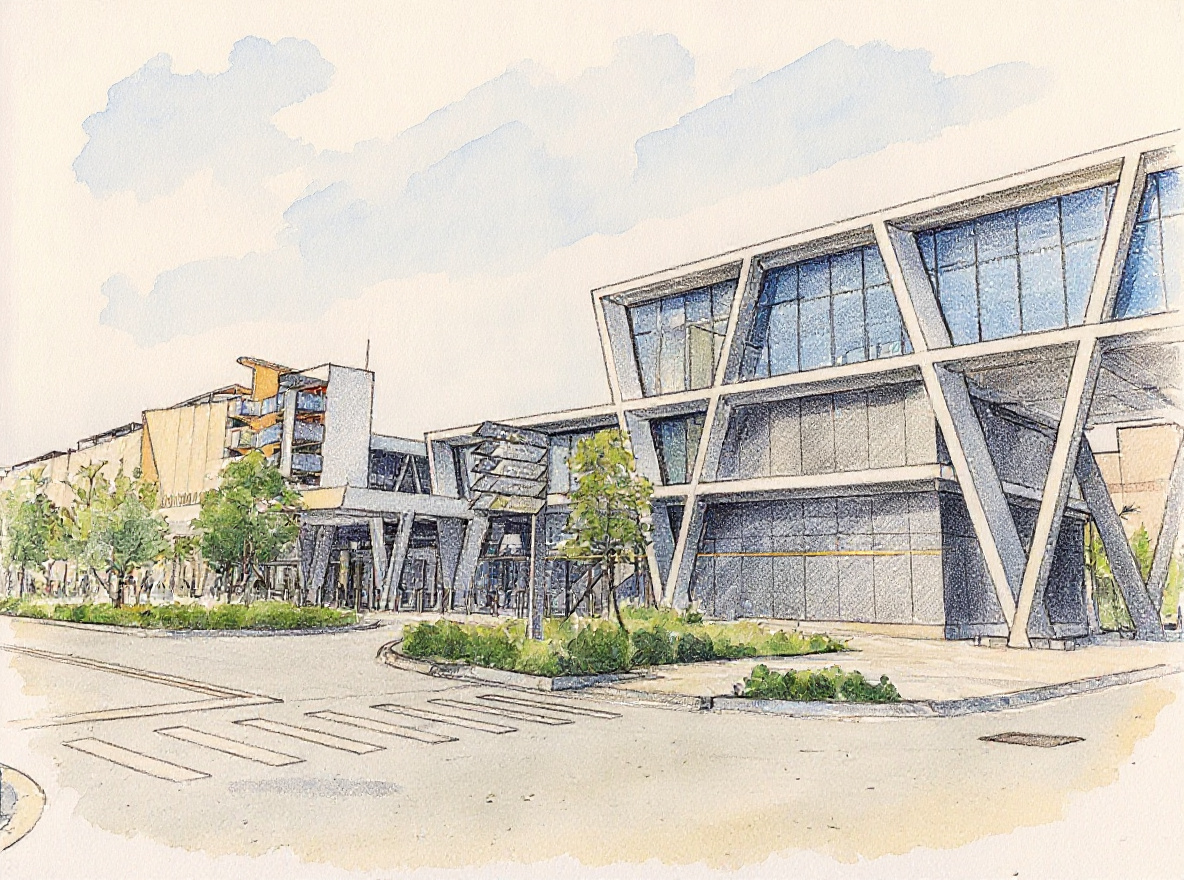
Hines and Urban Street Development's $500 million FAT Village redevelopment — the biggest mixed-use bet in Flagler Village's history — has its steel and timber in the air. The T3 FAT Village office building, a six-story, approximately 180,000-square-foot mass timber structure and the first of its kind in Fort Lauderdale, topped out in late 2025; interior build-out is running through 2026, with overall delivery projected around 2027 according to Hines. Phase I brings 601 apartment units across two residential towers, nearly 74,000 square feet of ground-floor retail, and a 1,200-space commercial parking structure to a 5.6-acre site anchored by walkable, activated street-level frontages.
- FAT Village is two blocks from Brightline's Fort Lauderdale high-speed station, which connects the city to Miami, West Palm Beach, and Orlando.
- T3 FAT Village, a 180,000-square-foot mass timber office, has topped out as part of a $500M mixed-use redevelopment, with overall FAT Village delivery projected around 2027.
- The district will include 850 apartment units across two buildings — one luxury, one with rents starting at $1,900.
- The project was financed by a $220 million construction loan originated in December 2023.
The Pipeline Around It Keeps Growing — and Now It Includes Workforce Housing
FAT Village is not building into a vacuum. As of August 17, 2026, Markets of Tomorrow is tracking 16 active developments across Fort Lauderdale — a pipeline set to deliver 7,746 residences and hotel keys over the next 36 months, with Flagler Village alone accounting for four of the pipeline's most-watched projects. The newest entrant arrived on August 7, 2026: the Terrasse proposal, a three-tower Live Local Act project slated for the former Winn-Dixie site at 1625 and 1645 Cordova Road, less than a mile from the Brightline station.
- Terrasse proposes 765 apartments across two 36-story towers and one 19-story building, including 306 workforce units for households earning up to 120% of area median income, plus 459 market-rate apartments and 3,200 square feet of commercial space.
- CEDARst Companies closed a $68.5 million construction loan for a 12-story, 215-unit mixed-use development at 745 N Andrews Avenue in Flagler Village, expected to break ground in May 2026.
- Fort Lauderdale entered 2026 with an active development pipeline exceeding $8.2 billion in total project value.
- Terrasse is being pursued under Florida's Live Local Act, bypassing traditional rezoning, and joins a growing pipeline of Live Local projects addressing demand for attainable housing.
LauderGO! Is Already Stitching Flagler Village Into the Regional Network
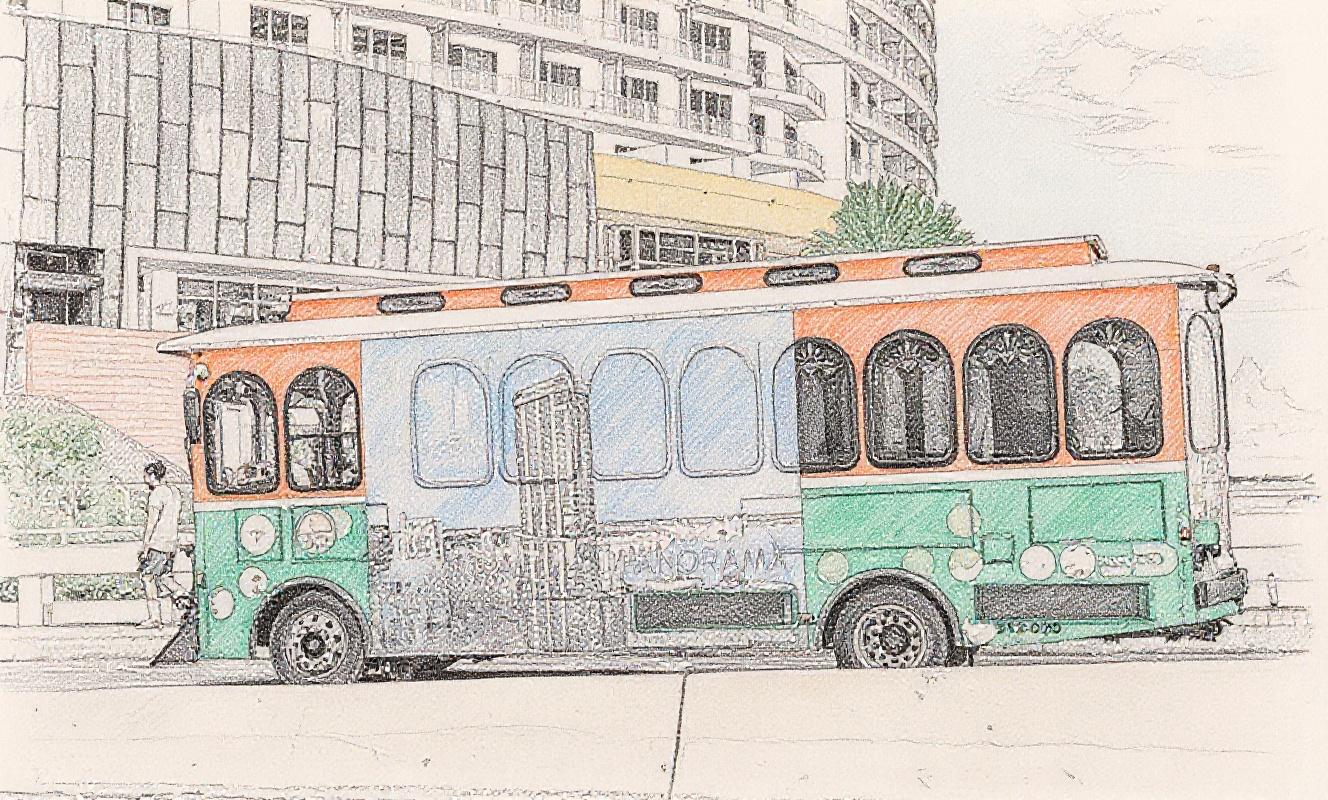
The transit layer that ties Flagler Village's new density to the broader South Florida system is already operating. Fort Lauderdale's LauderGO! Community Shuttle — formerly the Sun Trolley — runs completely fare-free across five routes that cover exactly the connections a Flagler Village resident needs. The Downtown Link provides a direct Monday-through-Friday connection to the Broward County Transit (BCT) Central Terminal and the neighborhood itself; the NW Community Link runs as early as 6:20 a.m. and connects northwest neighborhoods directly to Tri-Rail. And Brightline, two blocks from FAT Village's front door, is the express spine.
- All LauderGO! routes are fare-free; the Downtown Link runs Monday to Friday, 9 a.m. to 5 p.m., connecting BCT's Central Terminal, courthouses, and Flagler Village, while the NW Community Link runs 6:20 a.m. to 7:18 p.m. as a direct connection to Tri-Rail.
- A five-minute walk to Brightline's Fort Lauderdale station connects Flagler Village residents to Miami and Orlando, changing what "downtown" means for someone working two days a week in Brickell.
- The LauderGO! service has already carried well over 700,000 passengers, reflecting how quickly locals have folded it into daily life.
The Next Move Is Extending LauderGO! Hours to Match the Night the Neighborhood Earns
Flagler Village is building toward a daytime population at T3 and a resident base in its new towers, but the transit infrastructure still has one clear gap to close: evening coverage. LauderGO!'s Downtown Link shuts down at 5 p.m. on weekdays, right as the neighborhood's restaurants, galleries, and Art Walk crowds are arriving. The free Art Walk already draws Sun Trolley service on event nights — Fort Lauderdale knows how to do this. Extending the Downtown Link to 10 p.m., seven days a week, would cost a fraction of what one new Brightline pass generates in rider spending, and it would complete the loop that makes car-optional living a realistic daily proposition rather than a weekend aspiration.
When that hour extension happens — and it is a when, not an if, because the ridership demand is materializing in real time around those towers — Fort Lauderdale will have done something genuinely hard: built a transit-served neighborhood from scratch in a county that never had one. Flagler Village will have earned its spot as the model Broward points to when the rest of its density conversations need a proof of concept.