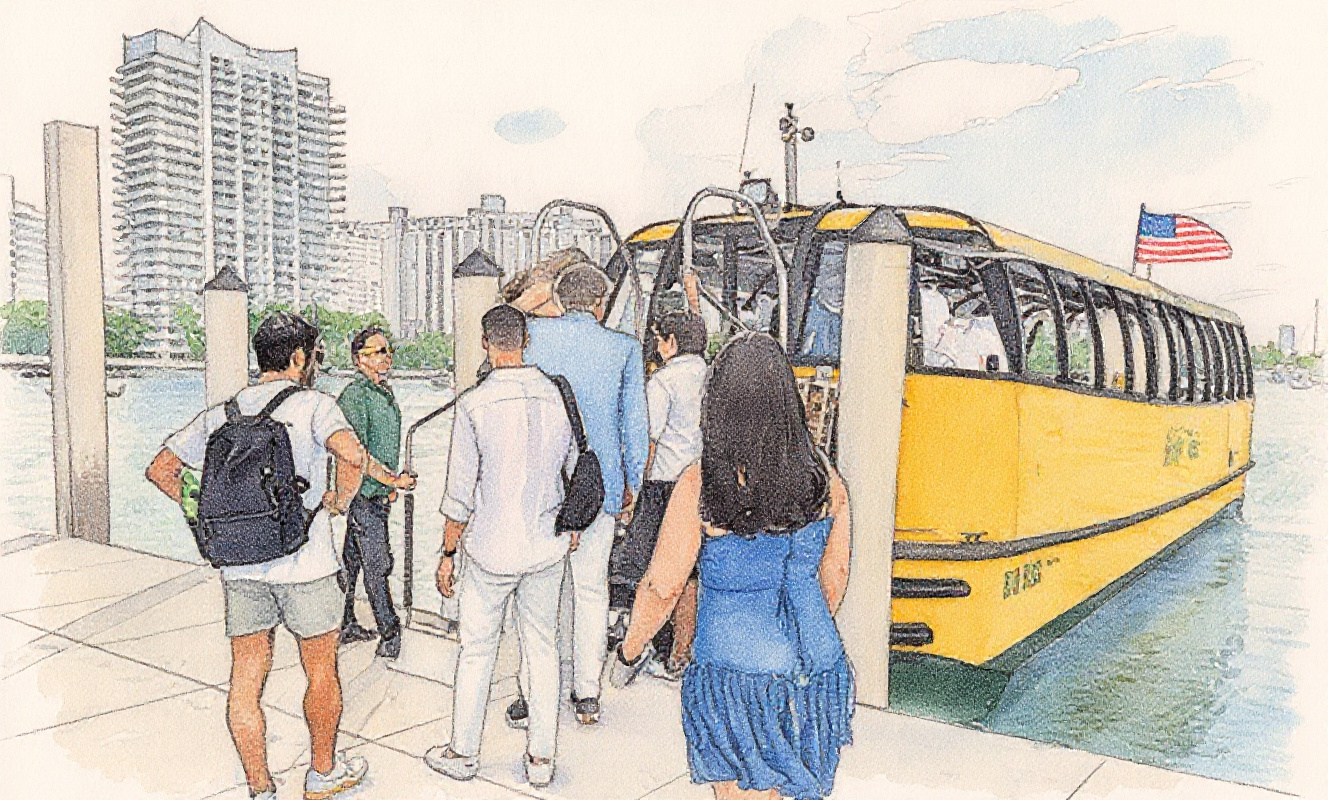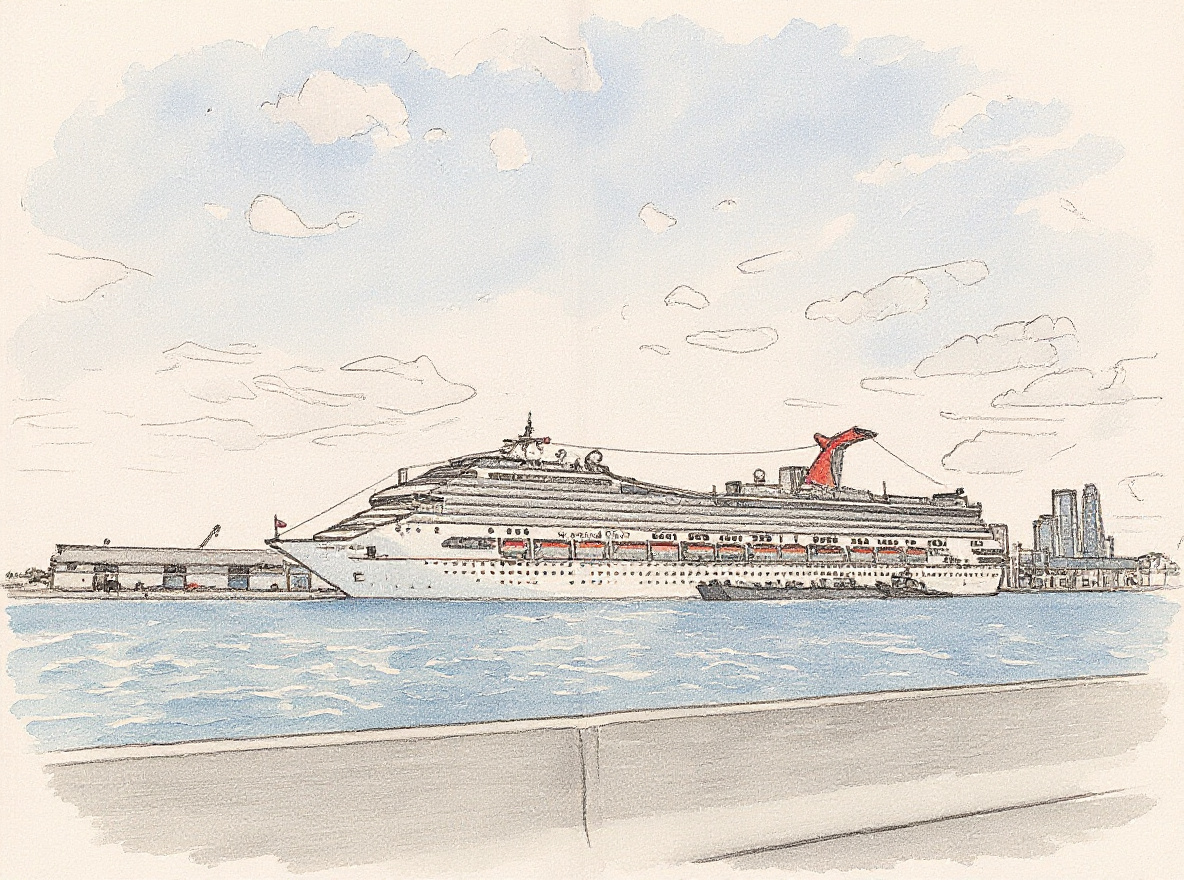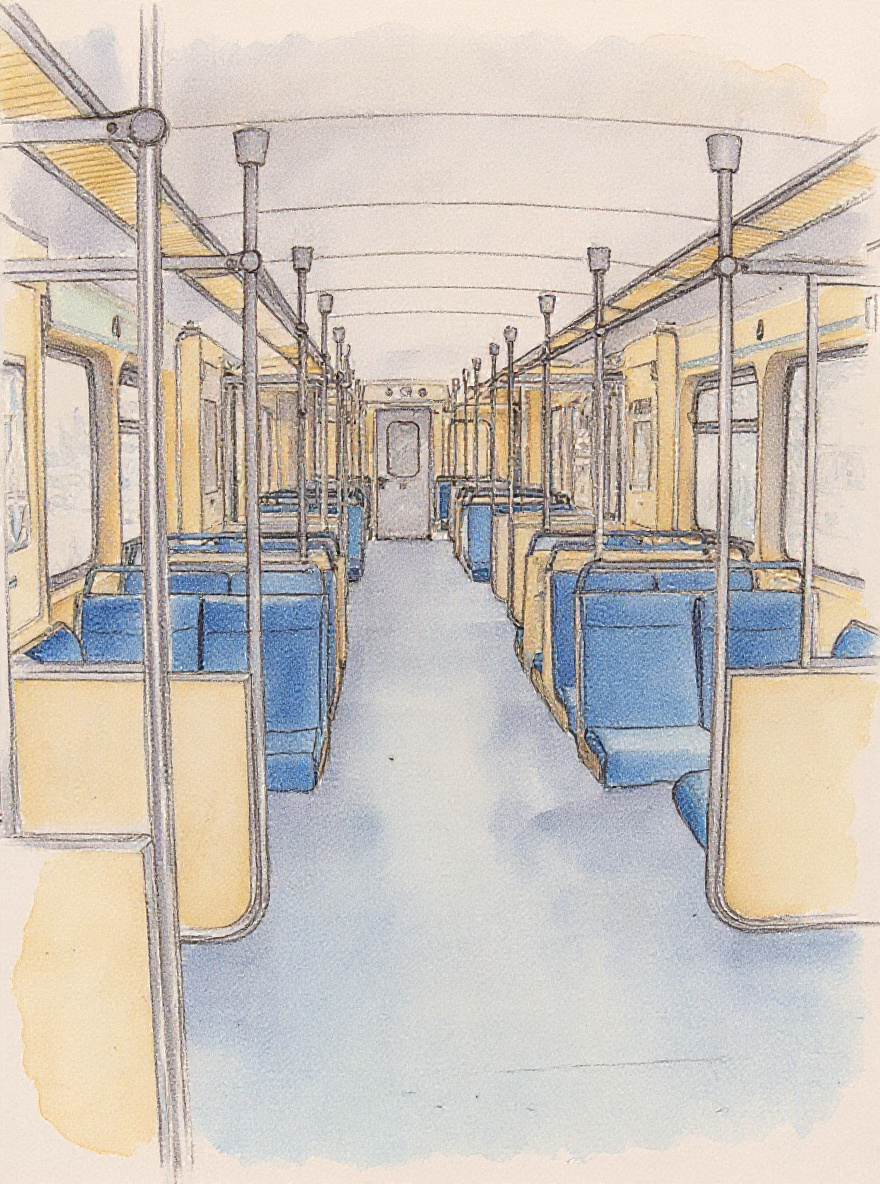
Broward County's airport, seaport, and convention center sit within three miles of each other — and right now, a light rail line is finally moving to close that gap.
Port Everglades and FLL Have Outgrown Their Ground Transportation
The economic case for The Connector just got a lot harder to ignore. On June 5, 2026, Port Everglades released a new economic impact study showing the port generates approximately $48.3 billion in economic activity and supports nearly 300,000 jobs throughout Florida — a figure that dwarfs almost every other single infrastructure asset in the state. At the American Association of Port Authorities (AAPA) 115th Annual Convention on September 28–30 in New Orleans, Port Everglades CEO Joseph Morris was elected to the 2026–2028 AAPA Board of Directors and the port's team earned a Lighthouse Award for its Find-a-Cruise digital platform. Meanwhile, Fort Lauderdale-Hollywood International Airport (FLL) served 32.2 million passengers in 2025 — the 18th-busiest airport in the United States. These are not obscure assets. They are world-class economic engines, and today the ground connection between them is a 44-minute, two-transfer bus trip or a $20 rideshare.
- Port Everglades ranked as the fourth-busiest cruise port globally in fiscal year 2025, handling approximately 4.77 million cruise passengers.
- FLL recorded operating revenues of $340.9 million in fiscal year 2024.
- Port Everglades posted $235.6 million in operating revenues and $103.7 million in net income in fiscal year 2025 — entirely self-supporting, without local tax dollars.
The Connector's Procurement Marks a Turning Point for the PREMO Plan
Broward County Transit (BCT) announced an upcoming procurement for a Project Development and Environmental (PD&E) study and preliminary engineering for a Light Rail Transit (LRT) fixed guideway system, with the line preliminarily estimated to cost just over $1 billion and connecting FLL, Port Everglades, and the Greater Fort Lauderdale/Broward County Convention Center. BCT CEO and General Manager Coree Cuff Lonergan has described The Connector as the spine of the agency's broader $4.3 billion Premium Mobility Program (PREMO), adopted unanimously by the Broward County Commission on June 13, 2023 — itself made possible by a voter-approved one-cent transportation surtax in 2018. The PD&E kickoff meeting was held on January 15, 2026, and the procurement now moving forward means the engineering phase is within reach.
- Phase 1 of the light rail system would span 3.5 miles, fully elevated, connecting FLL to the Broward County Convention Center.
- PREMO envisions over 200 miles of new premium service countywide, including commuter rail, light rail, Bus Rapid Transit (BRT), and high-frequency bus.
- The Broward Metropolitan Planning Organization recognized Coree Cuff Lonergan with a Visionary Award at its 5th Annual State of the Region ceremony on October 22, 2026.
Geography Makes This the Easiest Case Transit Has Ever Had to Make
Every transit project has to argue that the destination justifies the infrastructure. The Connector barely needs to make that argument — the math is almost unfair. FLL sits roughly three miles from both Port Everglades and the convention center, a proximity that planners in most cities would spend decades trying to engineer. The Greater Fort Lauderdale/Broward County Convention Center, freshly expanded, is already a $124-million-a-year tourism revenue engine for the county. Port Everglades welcomed more than 4 million cruise passengers in 2025, up 16.2 percent over 2024. A light rail system threading through that triangle does not need to manufacture demand — it needs only to absorb the demand that is already sitting in taxis, rideshares, and rental car queues. The Federal Transit Administration's Capital Investment Grants (CIG) program is the natural federal funding partner, and the engineering phase now underway will produce the financial plan needed to pursue that agreement.
What Broward Gains When This Gets Built
The real prize is not just the Connector itself — it is what the Connector unlocks for everything around it. A reliable, fast rail link between FLL and Port Everglades makes the entire SE 17th Street corridor investable as a transit-oriented district. Convention center attendees who can step off a plane and onto a train in minutes become a different kind of visitor — one who stays longer and spends more locally. Cruise passengers arriving at FLL and heading to Port Everglades without a car become riders who might stay the night, eat in Fort Lauderdale, and return. PREMO's vision of an interconnected premium network — commuter rail, light rail, BRT — starts to feel coherent the moment its most obvious piece is in the ground. Broward built a port and an airport of global scale. Connecting them by rail is simply finishing the sentence.