Broward County Transit is sitting on something rare in South Florida transit planning: a 15-year roadmap that has actually been stress-tested by the public and is now, corridor by corridor, being turned into funded, scheduled projects.
BCT's ridership base proves the demand is real — and growing
Broward County Transit (BCT) carried 24.46 million passengers in 2025, averaging 73,200 weekday boardings in the fourth quarter of that year — numbers that place it among the busiest bus systems in the Southeast. That is not a system starved of riders waiting for a reason to invest; it is a system that has already earned the next chapter. The riders are there. The task now is giving them something faster, more frequent, and better connected.
- BCT operates 44 fixed routes across a 410-square-mile service area, connecting to Miami-Dade Transit, Palm Tran, and Tri-Rail.
- Route 1 (Federal Highway, Aventura to Fort Lauderdale) alone logged 1,268,442 trips in fiscal year 2025 — the system's busiest single corridor.
- Route 2 (University Drive) carried 1,187,121 trips in the same period, confirming strong north-south demand across the county's interior.
The TransitFORWARD 2040 community engagement phase is complete — and the plan is built on real travel data
In June 2026, BCT completed a major public engagement phase for its TransitFORWARD 2040 Vision Plan, closing a multi-month listening tour that brought presentations to all nine commission districts across the county. The plan — developed through a Comprehensive Operational Analysis that combined rider feedback, demographic data, and growth projections — now has the community input needed to move from draft to implementation. Commissioner Alexandra P. Davis and BCT CEO and General Manager Coree Cuff Lonergan have both been direct: the goal is a transit system every Broward resident can actually rely on, regardless of ZIP code.
- TransitFORWARD 2040 outlines near-, mid-, and long-term improvements, including increased frequency, extended evening and weekend hours, and 21 new microtransit zones for lower-density areas.
- The final plan is expected to be completed later in 2026, following the public consultation, and will be implemented through annual updates to BCT's Transit Development Plan.
- The Broward Metropolitan Planning Organization (MPO) approved its Transportation Improvement Program (TIP) for fiscal years 2027–2031 on July 9, 2026, providing the five-year funding pipeline into which BCT's early-phase projects must flow.
The Oakland Park Boulevard BRT and the airport-seaport light rail corridor are the plan's early anchors
BCT's Premium Mobility (PREMO) Plan — unanimously approved by the Broward County Commission on June 13, 2023 — anchors TransitFORWARD 2040 with concrete, scheduled projects. The Oakland Park Boulevard Bus Rapid Transit (BRT) line is the first: a 15-mile corridor stretching from the Sawgrass Expressway to the beach, passing through Sunrise, Lauderhill, Lauderdale Lakes, Oakland Park, Wilton Manors, and Fort Lauderdale, scheduled to open in 2030. Early corridor studies are also underway for a potential light rail link between Fort Lauderdale-Hollywood International Airport (FLL), Port Everglades, and the Broward County Convention Center — a 3.5-mile connector that would turn three of the county's biggest economic engines into a single transit-accessible hub.
- The Oakland Park BRT's "sea grass to sawgrass" corridor would add 16 stations along one of Broward's most heavily traveled east-west streets.
- Microtransit zones — on-demand shared-ride services bookable by phone or app — are designed to plug the first-and-last-mile gaps in lower-density neighborhoods that fixed-route buses cannot efficiently serve.
- The full PREMO plan envisions more than 200 miles of premium transit corridors, including commuter rail, light rail, BRT, and high-frequency bus lines, estimated at $4.4 billion and funded through the voter-approved 2018 transportation surtax alongside federal and state dollars.
The path forward is replicable — Broward just has to keep walking it
What makes the TransitFORWARD 2040 moment genuinely exciting is how methodical it is. BCT ran a textbook Comprehensive Operational Analysis, took that analysis to every corner of a 1.9-million-resident county, incorporated the feedback, and is now converting the result into fundable projects inside an approved TIP cycle. There is no magic here — just disciplined sequencing. The Oakland Park BRT has a 2030 target, not a 2040 dream. The microtransit framework has a specific number: 21 zones. These are the kinds of details that transform plans into ribbon cuttings.
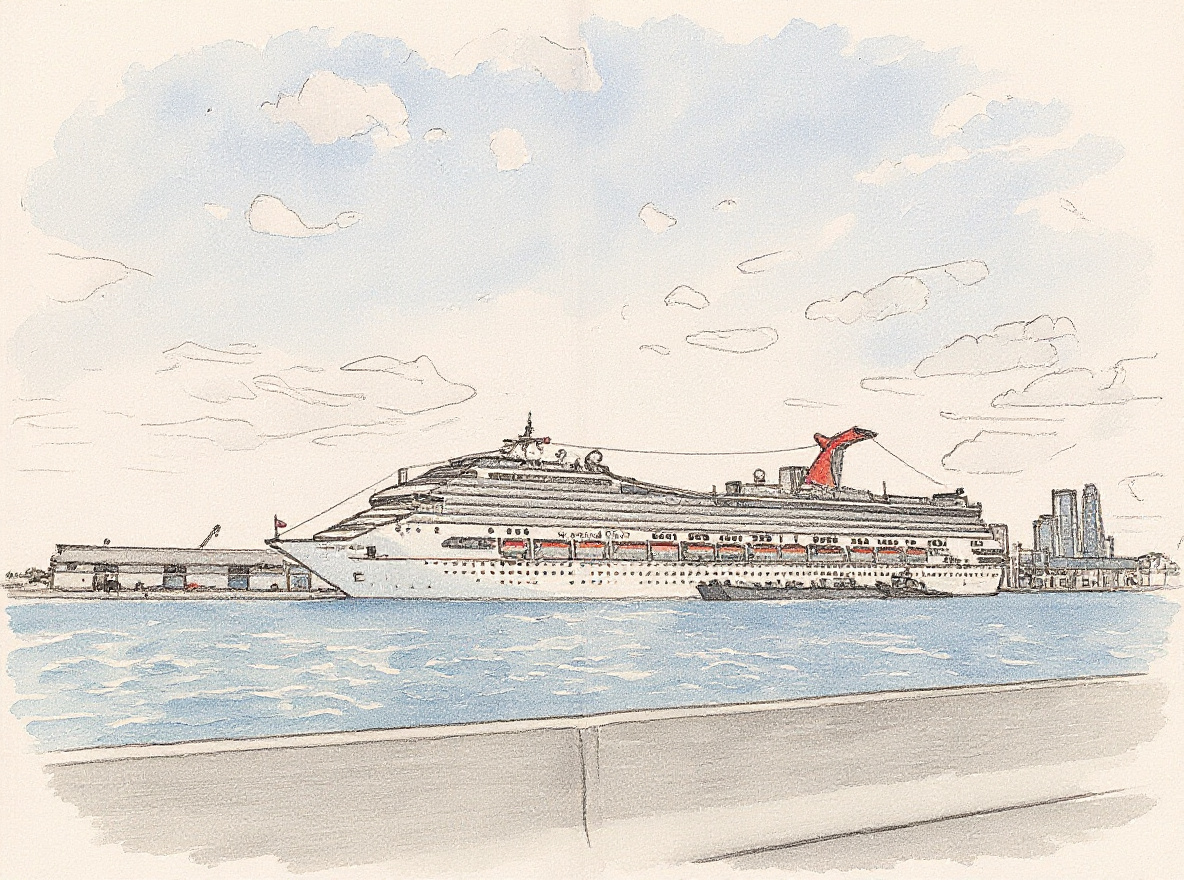
Broward has built a transit system that more than 24 million people a year already choose. TransitFORWARD 2040 is the county's commitment to make that choice even easier — faster buses, more frequent service, on-demand connections where fixed routes can't reach, and eventually a light rail link that lets you step off a cruise ship and onto a train. When that network comes together, Broward County will have done something South Florida rarely manages: finished what it started.