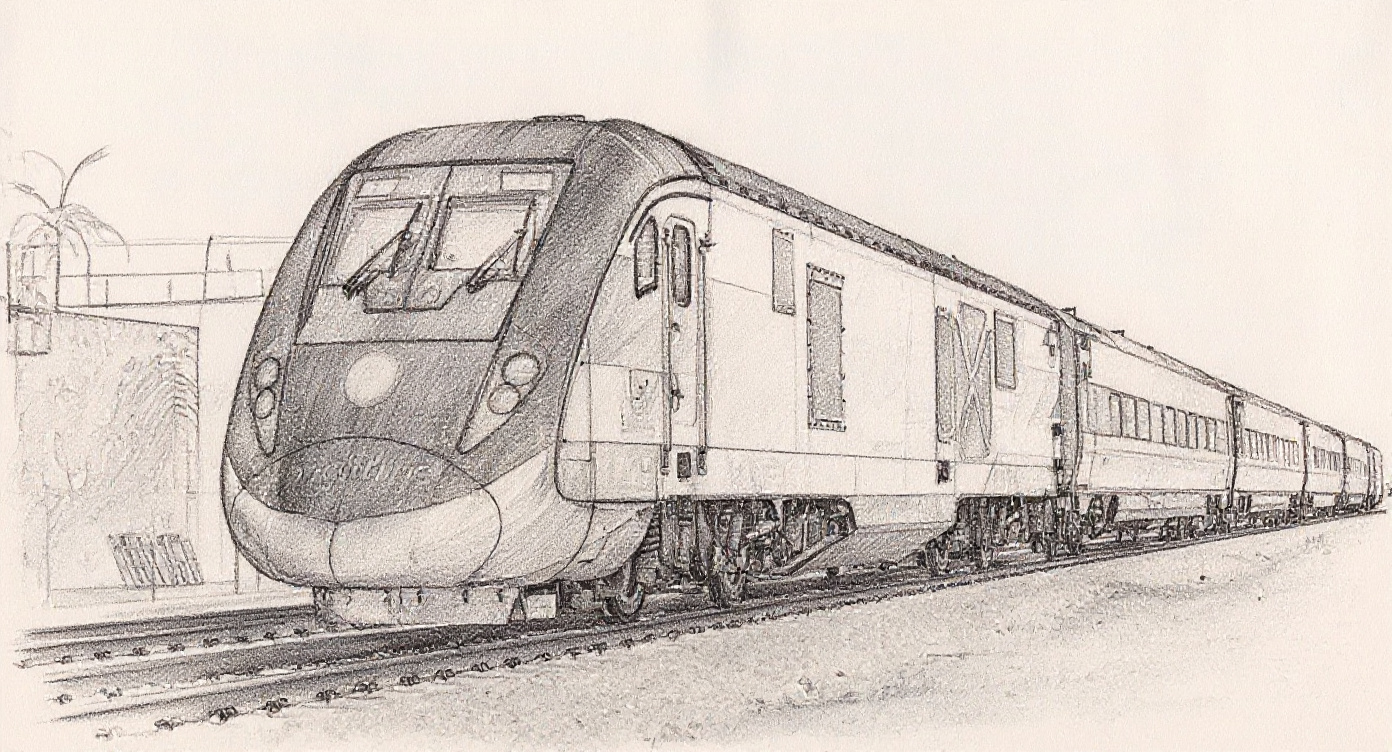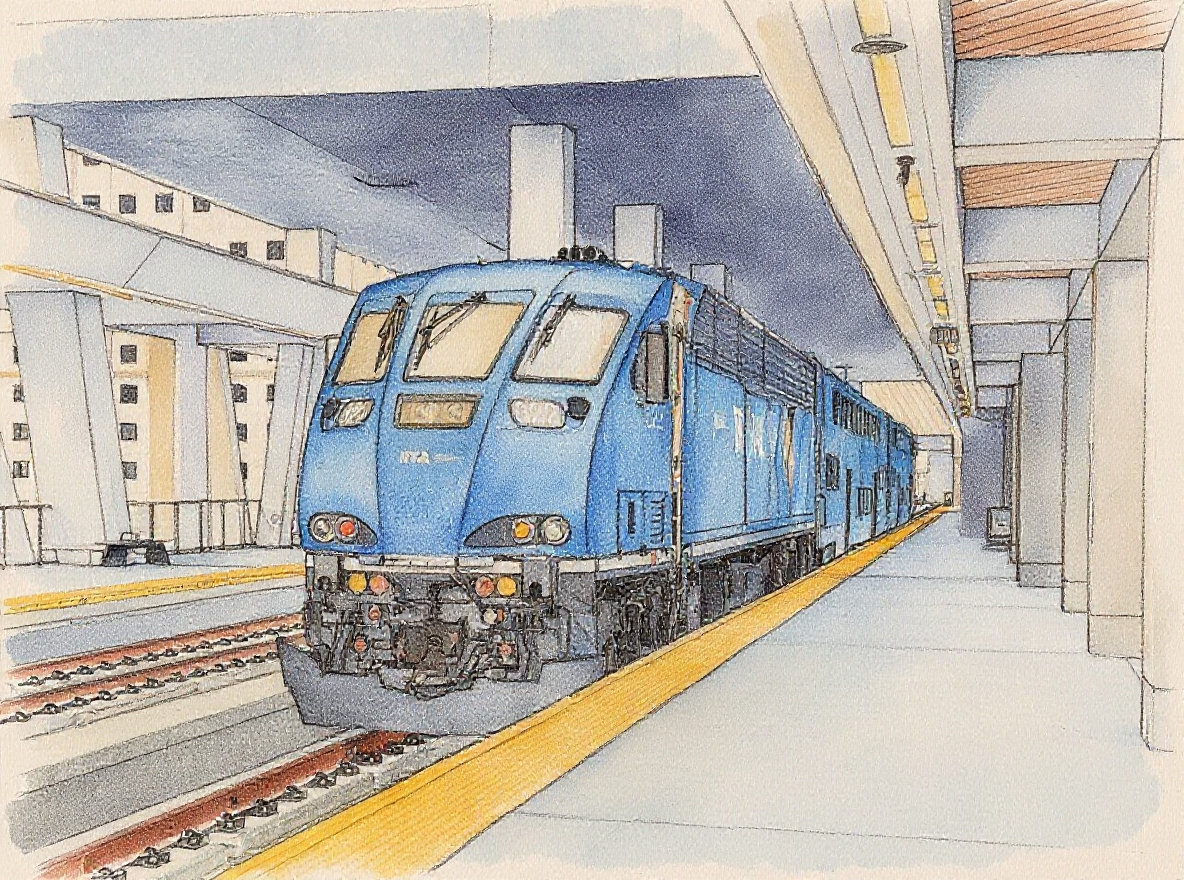
Tri-Rail posted 4,552,826 commuter rail trips in 2025 and averaged 14,500 weekday rides in the first quarter of 2026, cementing the South Florida commuter rail corridor as one of the region's busiest transit assets since extending service to Downtown Miami in January 2024.
What is driving Tri-Rail's ridership growth?
The opening of the Downtown Miami Link in January 2024 gave Tri-Rail direct access to MiamiCentral, connecting the 80-mile, 19-station system's southern terminus to the heart of Downtown Miami for the first time and unlocking a new pool of urban commuters. The South Florida Regional Transportation Authority (SFRTA), which oversees the service, had long identified a downtown Miami anchor as critical to long-term ridership gains.
- Tri-Rail's 80-mile corridor stretches from Mangonia Park in Palm Beach County south to MiamiCentral in Downtown Miami.
- Operator Herzog Transit Services manages day-to-day rail operations across all 19 stations.
- The 4,552,826 trips recorded in 2025 represent the system's strongest annual performance since service launched.
How does Brightline's bankruptcy affect Tri-Rail riders?
Brightline's Chapter 11 bankruptcy filing on September 25 introduced uncertainty around shared infrastructure at MiamiCentral, the station where Tri-Rail and Brightline trains currently operate in close proximity. Tri-Rail riders depend on MiamiCentral as the system's southern gateway, and any disruption to the shared facility could affect station access, platforms, and connectivity to Metrorail and Metromover transfers.
- MiamiCentral is privately owned infrastructure that Tri-Rail accesses through the Downtown Miami Link arrangement.
- Brightline's Chapter 11 proceeding could alter operating agreements or ownership of shared station assets.
- SFRTA has not publicly announced contingency plans as of the time of publication.
Could Tri-Rail expand beyond its current 19 stations?
Tri-Rail has been identified as a potential operator of a planned Northeast Corridor commuter rail extension, which would push service further into South Florida's growing urban core. No financing commitment or construction timeline has been formally approved for the Northeast Corridor extension, but the designation signals that policymakers view Tri-Rail's operational experience as a foundation for regional rail growth.
- The Northeast Corridor extension is a separate project from the existing Mangonia Park–MiamiCentral line.
- Tri-Rail's role as potential operator remains in the planning and proposal stage.
- Ridership momentum in 2025 and early 2026 strengthens the case for expanded investment in the corridor.
Ridership figures and system data were sourced from Wikipedia and the South Florida Regional Transportation Authority.
Correction, October 11, 2026: An earlier version of this article said Tri-Rail carried 4,924,100 riders in 2025 and averaged 13,400 weekday boardings in Q1 2026, and its headline said ridership was climbing toward 5 million. Those figures included Fort Lauderdale airport bus service, which the South Florida Regional Transportation Authority (SFRTA) does not count as Tri-Rail rail ridership. SFRTA reports 4,552,826 commuter rail trips in calendar year 2025 and a weekday average of 14,500 for January–March 2026. The article and headline have been updated.