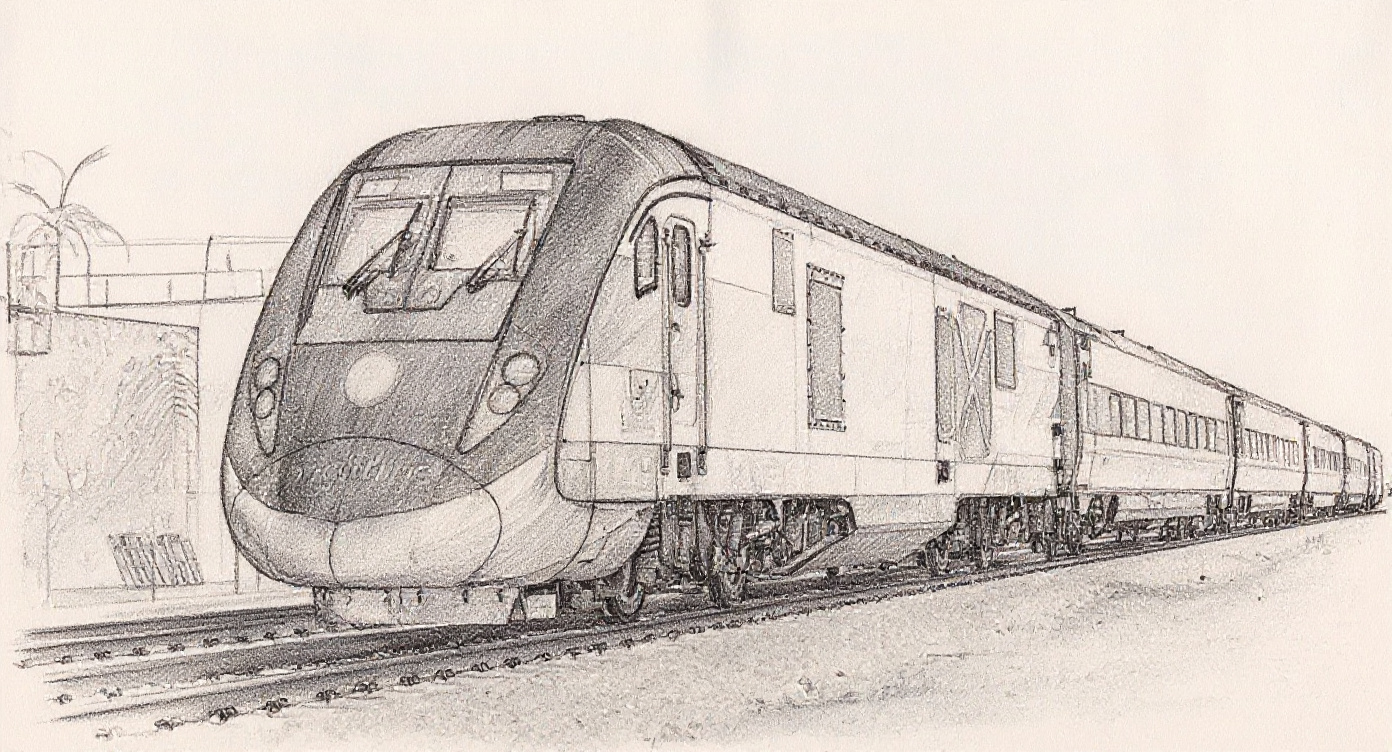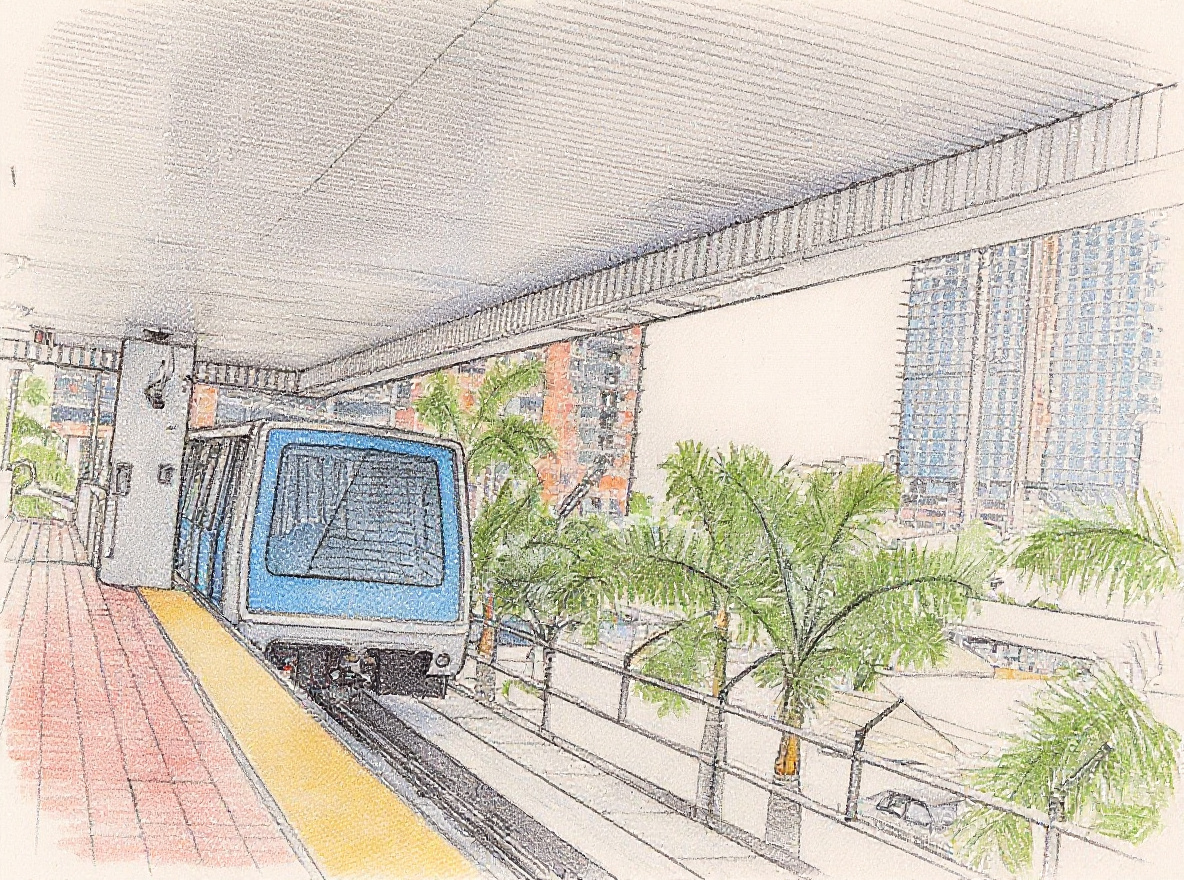
A delegation of regional leaders from the Austin Chamber of Commerce and the newly formed Central Texas Alliance traveled to Miami this week to study Brightline's South Florida passenger rail operations, seeking lessons they could apply to a potential Austin-to-San Antonio commuter rail line.
What brought Texas leaders to Downtown Miami?
The Austin Chamber of Commerce and the Central Texas Alliance sent a joint delegation to Miami to examine how Brightline built and operates its private passenger rail network across South Florida, with the goal of informing planning for a new intercity rail corridor linking Austin and San Antonio. The visit focused on Brightline's stations, financing structures, and the transit-oriented real estate development that has grown around the rail system.
- Delegation toured Brightline operations connecting Miami, Fort Lauderdale, Boca Raton, and West Palm Beach to Orlando.
- Research priorities included station development models, capital financing strategies, and corridor real estate.
- The Central Texas Alliance is a newly formed regional body focused on coordinating growth planning across the Austin-San Antonio region.
What makes Brightline a useful model for Central Texas planners?
Brightline operates the only privately owned and operated intercity passenger railroad in the United States, making its financing and development approach directly relevant to regions exploring non-federal rail solutions. Central Texas leaders are studying how Brightline structured private investment alongside transit-oriented real estate to make its Florida corridor financially viable without relying solely on public subsidies.
- Brightline's South Florida network spans multiple major urban markets across a high-growth Sun Belt corridor — a geography that mirrors the Austin-San Antonio region.
- Transit-oriented development around Brightline stations has become a core part of the system's revenue strategy, a model Central Texas planners hope to replicate.
- The Austin-to-San Antonio corridor, sometimes called the "Texas Triangle" spine, faces rapid population growth pressure similar to what South Florida experienced before Brightline launched.
What would an Austin-San Antonio rail line mean for commuters?
A successful Austin-to-San Antonio passenger rail line would provide a direct transit alternative for commuters and travelers along one of the fastest-growing urban corridors in the United States, potentially reducing highway congestion on Interstate 35. No timeline, funding commitment, or formal project approval has been announced; the delegation's Miami visit represents early-stage research, not a finalized plan.
What happens next for this proposal?
The Central Texas Alliance and the Austin Chamber of Commerce are expected to bring findings from the Miami visit back to regional stakeholders as part of broader feasibility discussions. Any formal project would require significant coordination between Texas state agencies, private investors, and local governments before reaching an approval or funding stage.
Original reporting on the delegation's Miami visit was first published by KXAN and Yahoo News.