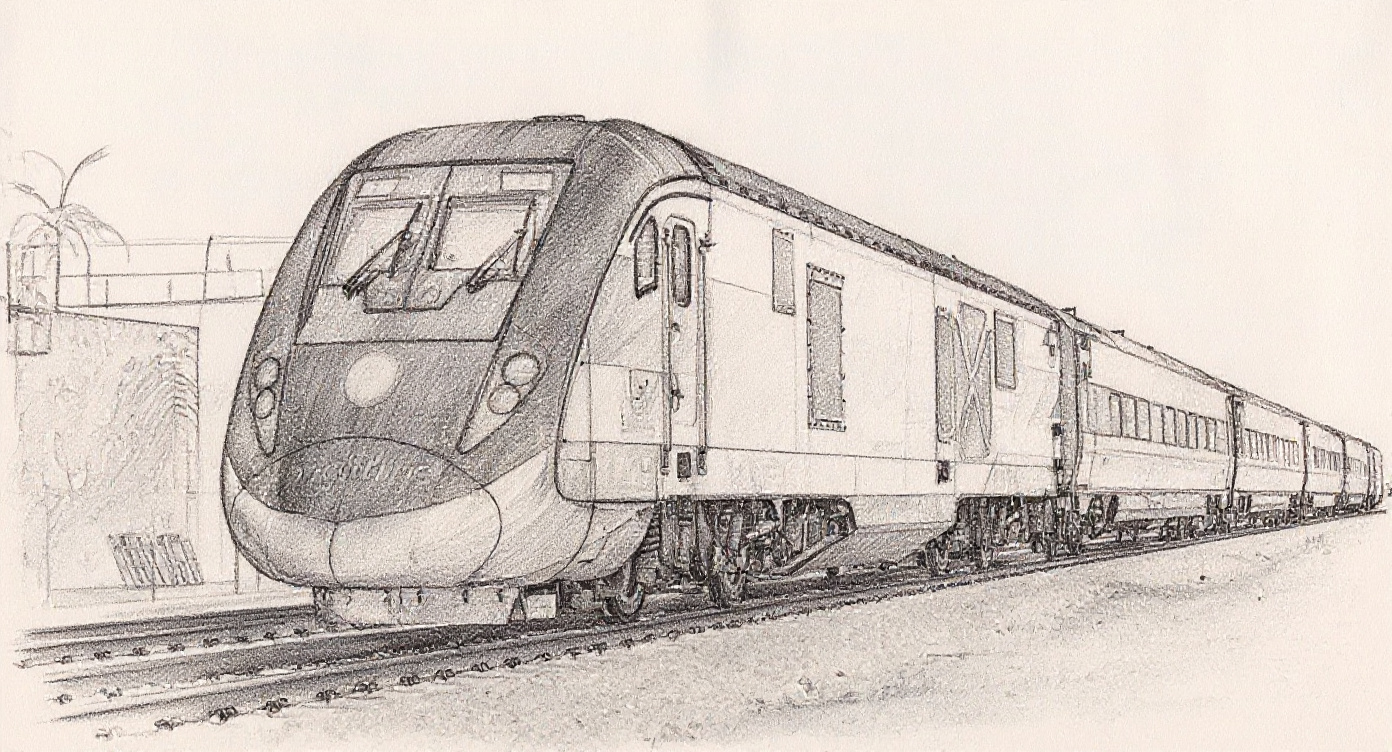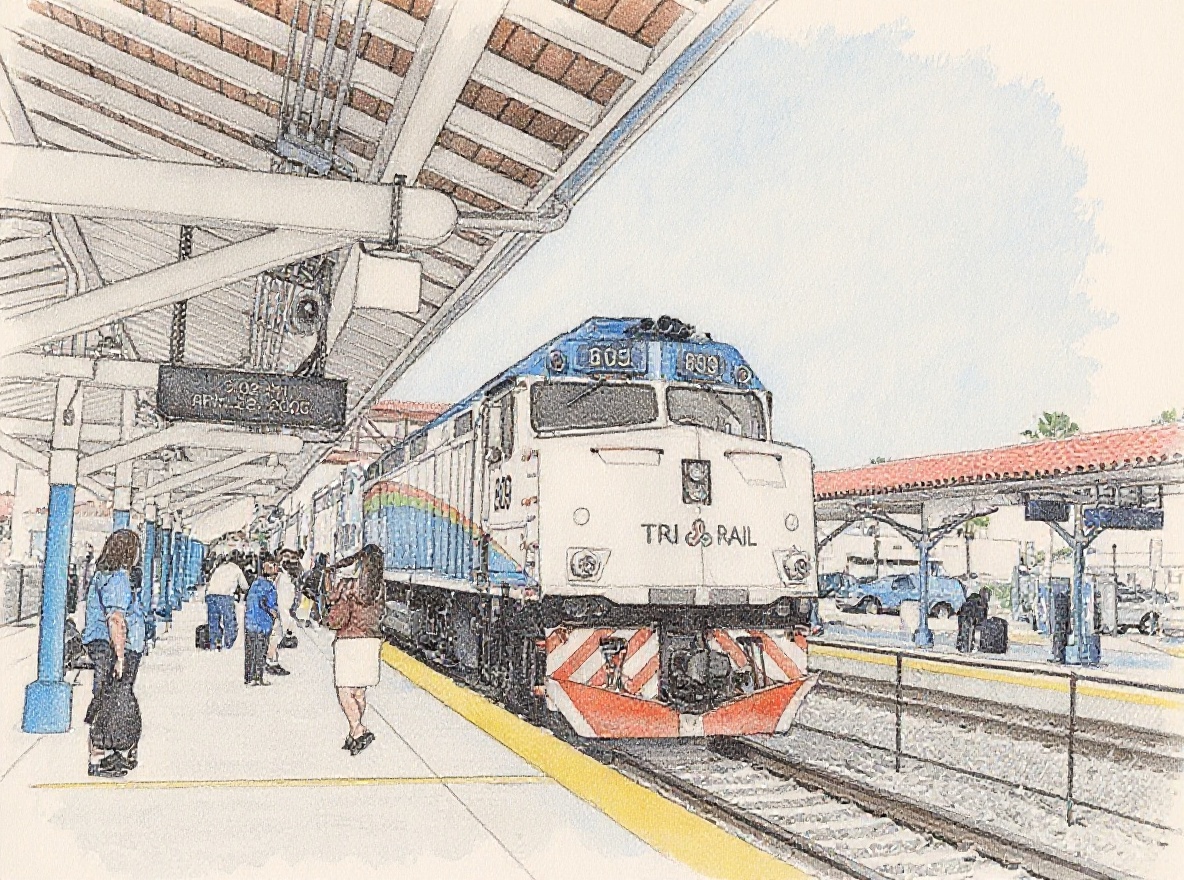
Tri-Rail, the commuter railroad connecting Miami-Dade, Broward, and Palm Beach counties, has pulled back from the edge of a financial crisis and is now advancing an ambitious set of expansions and operational reforms, according to a July 29, 2026, report by Miami Today.
What saved Tri-Rail from a potential shutdown?
The South Florida Regional Transportation Authority (SFRTA), which operates Tri-Rail, recovered access to state funding that had been in jeopardy, removing the immediate threat of a service shutdown that had alarmed transit advocates and daily riders across the three-county region. The restoration of that funding pipeline gives SFRTA the fiscal footing to pursue reforms and capital projects that agency leadership had been forced to put on hold.
How will Tri-Rail change what riders pay?
SFRTA is developing a new county-based fare zone structure that would tie ticket prices more closely to how far passengers travel, replacing the current flat-rate model for most trips. The agency plans to preserve its widely used $5 weekend fare, which has driven leisure ridership on the line.
- County-based zones would differentiate pricing across Miami-Dade, Broward, and Palm Beach.
- The $5 weekend fare — a rider favorite — is set to remain in place.
- A new fare collection system is under development to capture revenue at stations that currently operate largely on an open-access, honor-based model.
What is the proposed PortMiami station, and who would pay for it?
SFRTA's chief executive is proposing a new Tri-Rail station at PortMiami, the cruise and cargo hub in Miami-Dade County, with construction costs split evenly between the port and Miami International Airport. The funding arrangement reflects the economic interest both facilities have in improving ground transportation access for workers, cruise passengers, and cargo employees who currently rely almost entirely on cars and buses.
- PortMiami and Miami International Airport would each cover half the station's cost.
- A direct rail link to PortMiami would give the station a regional transit connection it has never had.
What other development is Tri-Rail planning along its corridor?
Beyond the PortMiami proposal, SFRTA is moving forward with transit-oriented development projects at existing station sites along the Tri-Rail corridor, an approach that uses real estate activity near stations to generate long-term revenue and increase ridership by bringing homes and businesses closer to the tracks. Transit-oriented development has become a standard tool for commuter rail agencies seeking to reduce dependence on government subsidies.
Original reporting on Tri-Rail's financial recovery and expansion plans was published by Miami Today on July 29, 2026.