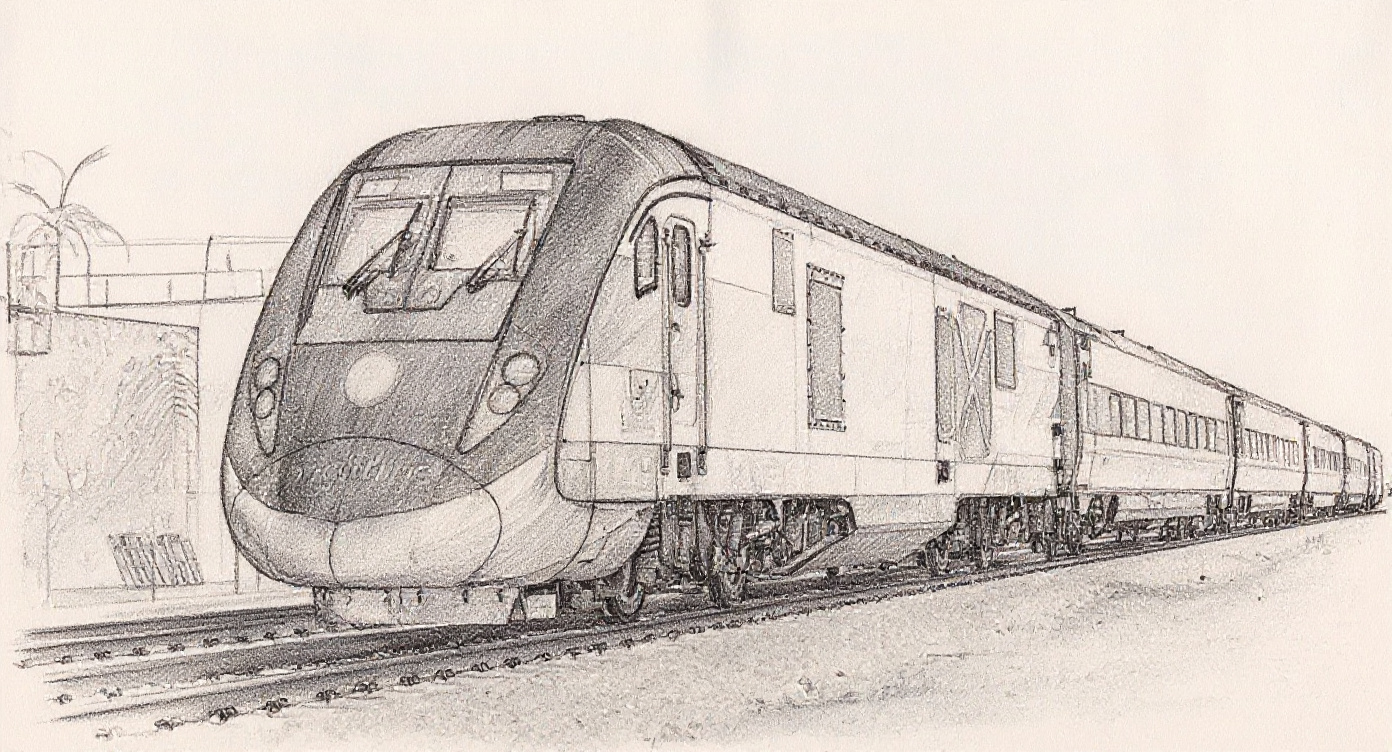
South Florida's Tri-Rail commuter rail system is staring down a $60 million funding shortfall that threatens service cuts and is forcing a 10% fare increase starting October 1, 2026, squeezing the roughly 15,000 riders who board the line each day.
Why is Tri-Rail raising fares in October 2026?
The South Florida Regional Transportation Authority (SFRTA), which operates Tri-Rail, confirmed that ticket prices will rise 10% on October 1, 2026, as the agency scrambles to offset a $60 million budget gap it cannot yet close through state funding alone. The fare hike lands at a difficult moment: Tri-Rail recorded a record 4.5 million rides in 2025, meaning more passengers than ever before will absorb higher costs.
- State dollars earmarked for Tri-Rail remain stalled inside the Florida Rail Enterprise.
- Negotiations over a long-term funding fix are continuing behind closed doors with no public resolution announced.
- Daily ridership stands at approximately 15,000 commuters, concentrated heavily along the Broward County corridor.
Where did the $60 million funding gap come from?
The $60 million shortfall stems from state money that has not moved out of the Florida Rail Enterprise to SFRTA, leaving the commuter railroad short of the operating funds it needs to maintain current service levels. Without a durable, long-term funding agreement, transit officials warn the agency cannot sustain its existing schedule indefinitely.
- Florida Rail Enterprise funds intended for Tri-Rail remain unallocated as of September 2026.
- No state legislative fix or emergency appropriation has been publicly announced to bridge the gap.
- The funding dispute is unfolding through closed-door negotiations rather than public legislative action.
What service cuts could riders face if the crisis goes unresolved?
SFRTA officials have warned that weekend train service could be the first casualty of the funding crisis, with potential cuts arriving within two years if a long-term solution is not reached. Weekend trains are typically the first target in transit budget emergencies because they carry lower ridership than weekday peak-hour runs, yet their elimination would still strand thousands of South Florida residents who rely on rail for weekend travel, employment, and connections to Miami-Dade and Palm Beach counties.
- Weekend service cuts are identified as the most likely first reduction.
- A two-year window is the timeline officials have attached to potential service changes.
- Tri-Rail serves stations across Miami-Dade, Broward, and Palm Beach counties, making any service reduction a tri-county issue.
What should Broward County commuters do now?
Riders who depend on Tri-Rail — especially those boarding at Broward County stations — should expect to pay more beginning October 1, 2026, and should monitor SFRTA announcements closely for any updates on service adjustments as budget negotiations continue. Commuters can check current fare schedules and service alerts directly through SFRTA's official channels.
Original reporting by WFLX / WPTV.