A 436,000-square-foot FIFA Fan Festival has transformed Downtown Miami's Bayfront Park into one of the largest World Cup viewing destinations in the United States, drawing as many as 30,000 visitors per day through its scheduled close on July 5.
What is the FIFA Fan Festival at Bayfront Park?
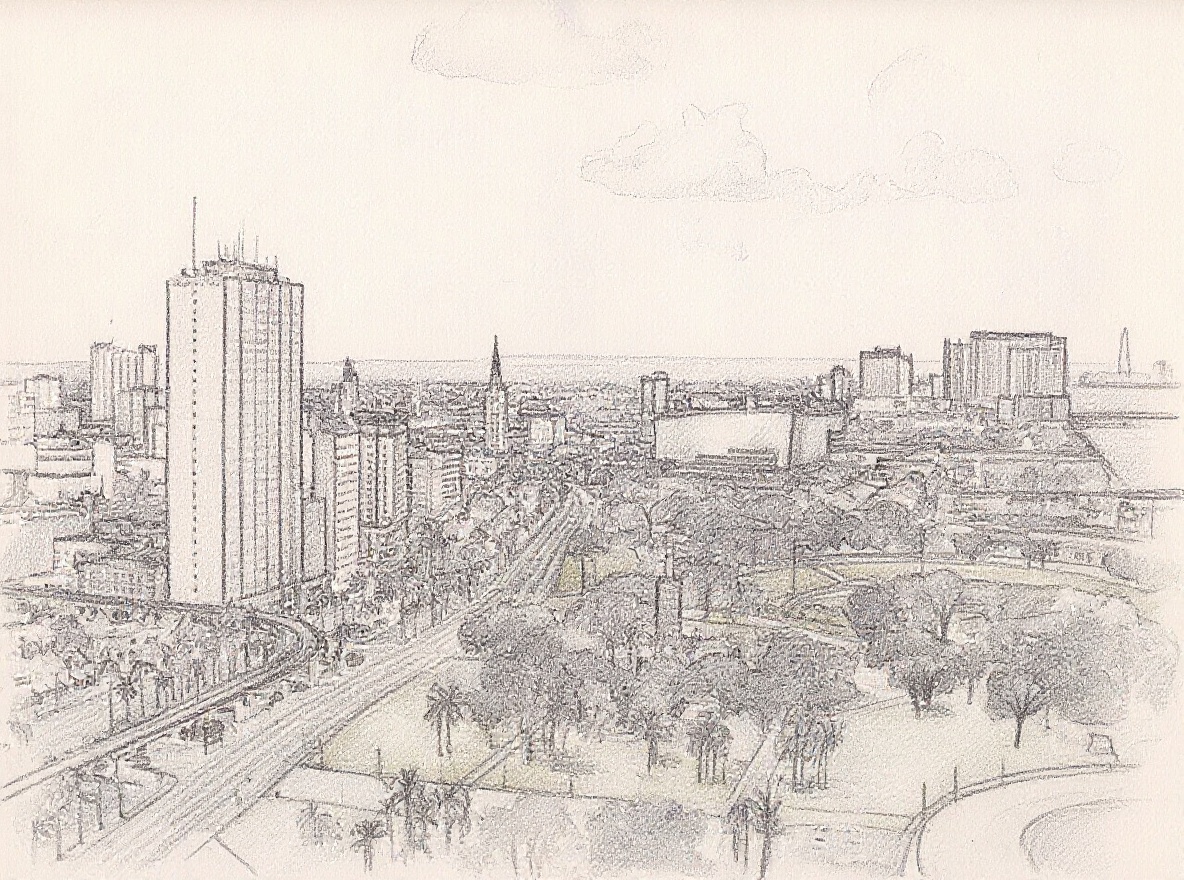
The sprawling activation occupies nearly the entirety of the waterfront park, filling it with large-format live match broadcasts, interactive soccer experiences, food and beverage vendors, and sponsor programming. The festival is the centerpiece of Miami's broader World Cup presence: the city is set to host seven FIFA World Cup matches in total, with competition continuing at Hard Rock Stadium through July 18.
- Festival footprint: 436,000 square feet across Bayfront Park
- Daily attendance: as many as 30,000 visitors per day
- Festival run: open daily through July 5
- Remaining matches: Hard Rock Stadium through July 18
How is the festival affecting South Florida's rail network?
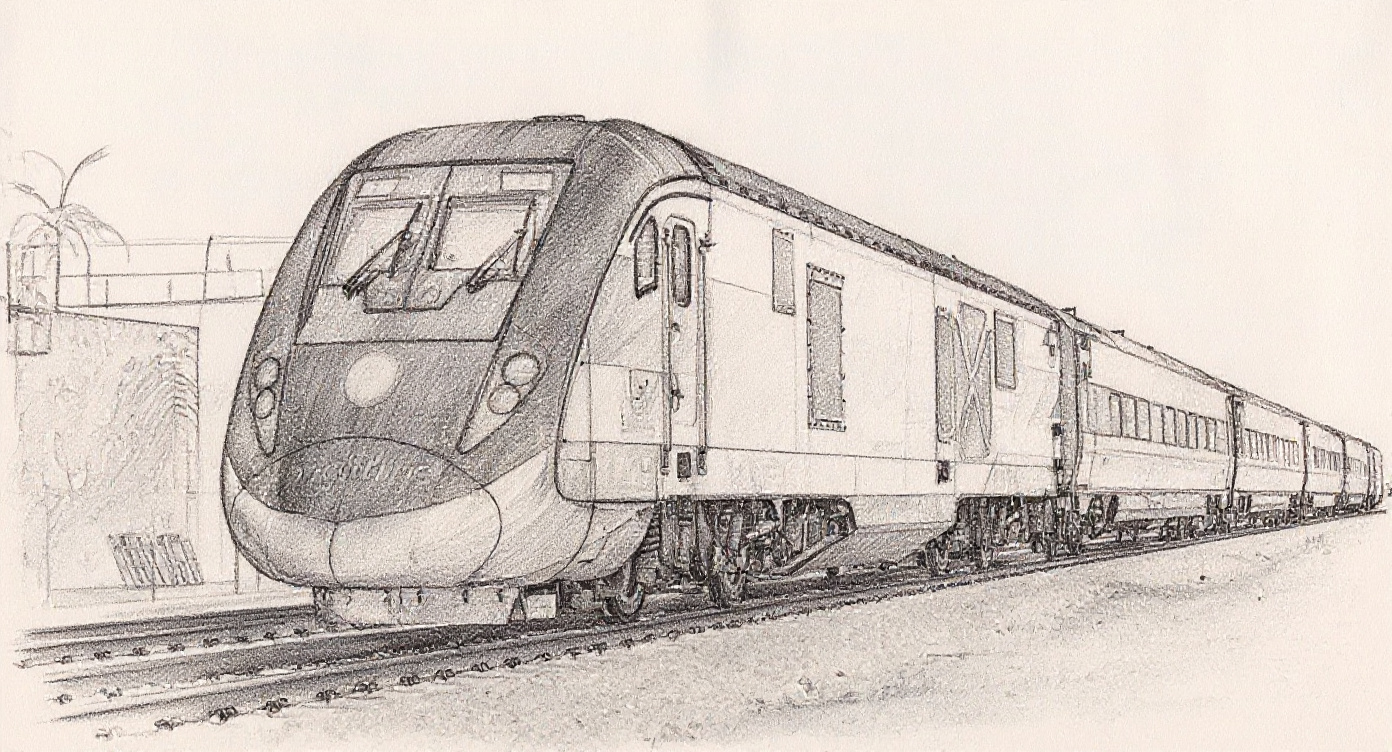
MiamiCentral Station, located just blocks from Bayfront Park, has become the primary rail gateway for festival-goers arriving on Brightline and Tri-Rail, both of which have reported measurable spikes in daily ridership tied directly to the event. Transit officials and operators are tracking the increases across all South Florida rail systems as fans pour in from Broward and Palm Beach counties as well as from points along Brightline's expanded corridor.
- MiamiCentral serves as the shared hub for Brightline's intercity service and Tri-Rail's commuter rail connection
- Station is handling the surge in foot traffic alongside its normal weekday ridership base
- Last-mile connectivity between the rail hub and the park remains a continuing challenge
What does the festival reveal about Downtown Miami's transit infrastructure?
The convergence of tens of thousands of visitors in the urban core each day is offering a real-world stress test for Downtown Miami's multimodal transit infrastructure, underscoring both MiamiCentral's growing regional importance and the remaining challenges of last-mile connectivity. City and transit planners have long pointed to major events as proof-of-concept moments for transit investment, and the Fan Festival appears to be delivering that case in real time.
- Daily crowds represent one of the largest recurring transit draws the downtown core has seen outside of a one-time concert or sporting final
- Festival runs for days rather than hours, extending the stress test
What is the economic impact of the Fan Festival on surrounding neighborhoods?
Tens of thousands of visitors cycling through Bayfront Park each day translate into foot traffic for surrounding businesses in the Brickell and downtown corridors, with hotels, restaurants, and retailers all positioned to benefit from the extended run. The economic footprint of the Fan Festival is substantial.
Original reporting on the FIFA Fan Festival's scope and impact was first published by Miami Today.