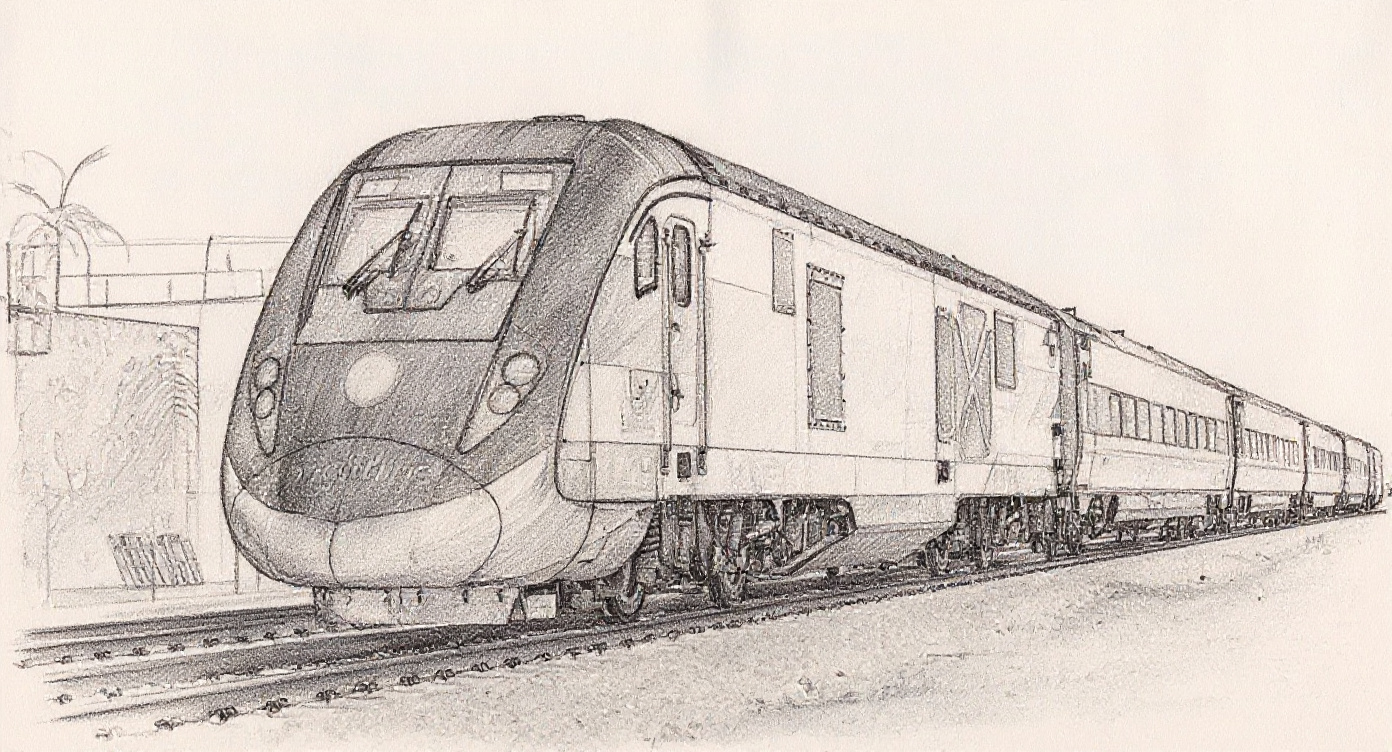
Brightline Florida's bondholders agreed on August 3 to grant the railroad another seven-day extension after the company once again failed to make required debt payments, marking the latest episode in a prolonged financial standoff that has alarmed creditors and transit watchers alike.
What exactly did Brightline's bondholders agree to on August 3?
Holders of two separate classes of Brightline Florida debt approved short-term payment delays on August 3, allowing the company additional time to address its obligations rather than triggering an immediate default. The agreement covers $1.2 billion in bonds issued through the All Aboard Florida Operations Holdings (AAFOH) tax-exempt bond program and a separate $985 million pool of commuter bonds tied to future rail access rights.
- The AAFOH bond extension is the sixth such supplement granted to Brightline.
- The commuter bond extension is the fifteenth — a figure that underscores how long this cycle has persisted.
- The commuter bonds are backed by rail access rights payable by Miami-Dade, Broward, and Palm Beach counties.
Why are these repeated extensions alarming creditors and analysts?
The pattern of serial short-term extensions — sometimes called "pretend and extend" in bond markets — has intensified fears that Brightline Florida is moving toward a structured bankruptcy or a forced debt restructuring. With total debt estimated at $5.5 billion, the railroad's financial architecture is under severe strain, and each new extension buys only days rather than any durable resolution.
- Fifteen supplements to a single bond agreement signals deep, sustained liquidity stress.
- A structured bankruptcy could affect the three South Florida counties whose commuter access payments backstop nearly $1 billion in bonds.
- Creditors face growing uncertainty about the timeline and terms of any eventual settlement.
What does this mean for commuters and counties in South Florida?
Miami-Dade, Broward, and Palm Beach counties are directly implicated because their future commuter-rail access payments serve as collateral for the $985 million in commuter bonds. Should Brightline Florida enter bankruptcy or restructuring, the terms under which those counties provide access payments — and the rail service commuters depend on — could be renegotiated or disrupted.
- County governments have not publicly announced contingency plans for a Brightline restructuring scenario.
- Commuter rail access along the Florida East Coast corridor remains tied to Brightline's financial stability.
- A restructuring could alter schedules, service levels, or the cost obligations borne by county transit budgets.
What happens next for Brightline Florida's debt situation?
The seven-day extension granted August 3 means Brightline Florida faces another hard deadline within days, and absent a broader deal, bondholders will again be asked to extend or to act. The company has not publicly disclosed the terms of any long-term restructuring proposal, leaving the situation unresolved as of the extension date.
Original reporting on the bond extensions and the details of the AAFOH and commuter bond supplements was provided by Bond Buyer.