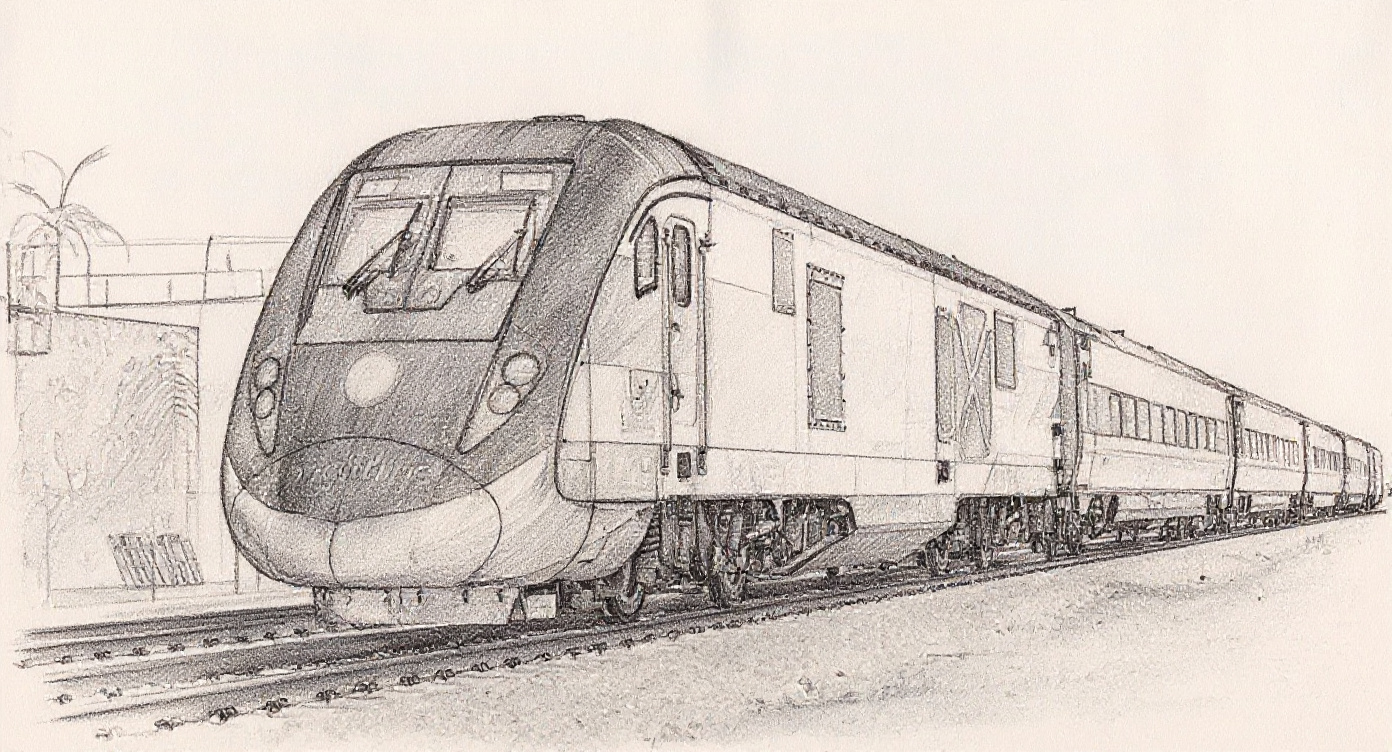
Brightline, Florida's only private intercity passenger railroad, is preparing to file for Chapter 11 bankruptcy protection as soon as the week of September 22, 2026, in a move aimed at restructuring approximately $1.1 billion in corporate debt subordinate to its senior municipal bonds.
Why is Brightline filing for bankruptcy?
Brightline is pursuing Chapter 11 protection to restructure roughly $1.1 billion in corporate debt that sits below senior municipal bonds in the railroad's capital structure, a financial burden the company has determined requires court-supervised reorganization. The filing, anticipated as early as the week of September 22, 2026, is designed as a targeted restructuring rather than a full corporate collapse.
- Debt targeted in the filing is subordinate to senior municipal bonds — meaning municipal bondholders hold a stronger claim on Brightline's assets.
- The reorganization is being led by major creditors including First Eagle Investment Management, Nuveen, and bond insurer Assured Guaranty.
- Assured Guaranty and its co-lenders have agreed to provide at least $350 million in new financing to support the restructuring process.
Will Brightline trains keep running during the bankruptcy?
Brightline's planned filing is deliberately structured to exclude the railroad's operating unit, which means passenger service between Miami, Fort Lauderdale, West Palm Beach, and Orlando is expected to continue without interruption. By ring-fencing the operating entity from the bankruptcy proceedings, Brightline avoids the appointment of a federal trustee to oversee day-to-day train operations — a move creditors and management appear to have agreed upon as a condition of the restructuring support.
- Excluding the operating unit from the filing is a standard Chapter 11 strategy to preserve going-concern value.
- Continued service protects revenue streams that underpin repayment of the new $350 million debtor-in-possession financing.
What does this mean for Miami-Dade commuters and transit riders?
For Miami-Dade riders who depend on Brightline as a fast link to Orlando and points north, the immediate practical impact should be minimal if the company's restructuring plan holds together. The railroad has framed the bankruptcy as a financial reorganization, not a service shutdown, and the involvement of deep-pocketed institutional creditors — First Eagle Investment Management, Nuveen, and Assured Guaranty — suggests a structured, negotiated process rather than a chaotic collapse.
- Brightline's Miami station at MiamiCentral connects to Miami-Dade Transit's Metrorail and Metromover systems, making any service disruption a potential downstream problem for the broader transit network.
- Riders should monitor Brightline communications for any schedule or ticketing changes during the court process.
- Bondholders' commitment of at least $350 million in new loans signals confidence that the core business remains viable.
Who is leading Brightline's restructuring effort?
Municipal bondholders are driving Brightline's reorganization, with First Eagle Investment Management, Nuveen, and bond insurer Assured Guaranty collectively agreeing to provide at least $350 million in financing to shepherd the company through Chapter 11. Assured Guaranty's participation is particularly significant given its role as a bond insurer with financial exposure to Brightline's municipal debt, giving the firm a strong incentive to engineer a recovery rather than allow a disorderly default.
Original reporting by Bloomberg, published September 22, 2026.