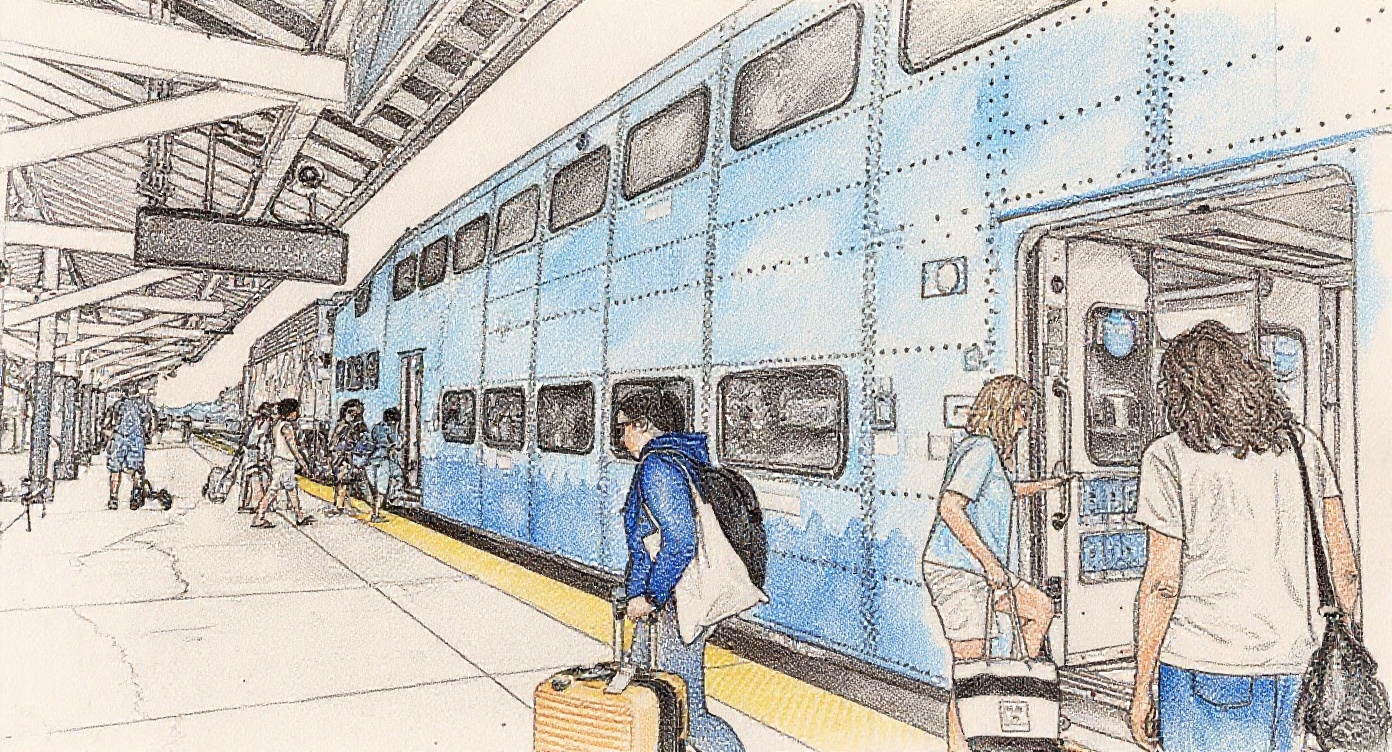
On June 26, the South Florida Regional Transportation Authority's board did something it hadn't done since before the pandemic: it raised fares. Starting this October, riding Tri-Rail across Palm Beach, Broward, and Miami-Dade counties will cost 10% more — the first increase since 2019.
The state's funding collapse forced Tri-Rail's board into a $150.2 million budget built on an optimistic assumption about Tallahassee showing up with real money.
Tallahassee's record here is damning: the Legislature had been sending Tri-Rail roughly $42 million a year through the Florida Department of Transportation, then quietly slashed that figure to $15 million — a cut so abrupt it triggered emergency deficit calculations and talk of shutting the trains down entirely by 2027. The legislature has since authorized a maximum $60 million contribution for the coming fiscal year, but as of last Friday's board meeting, Governor DeSantis had not yet signed the budget.
- SFRTA passed its spending plan anyway, penciling in the bare minimum $15 million subsidy.
- A $30 million deficit inherited from the collapse of COVID-era federal relief remains unresolved.
- This is not governance. This is a game of chicken played with working people's commutes.
Tri-Rail's farebox covers less than 10 cents on the dollar, yet the board is asking commuters to dig deeper.
Tri-Rail collected only about $14.9 million in ticket revenue over the previous twelve months — against a $150 million annual budget — while ridership in the first quarter of 2026 fell roughly 4% compared to the same period in 2025, dropping to just over 1.1 million trips. This is not a system living beyond its means; it is a system being systematically starved.
- Agency staff admitted they haven't calculated how much additional revenue the 10% increase will actually generate.
- A 10% fare hike on a system whose riders already earn less, on average, than people who drive is a regressive transfer.
The demand for Tri-Rail is real — the funding failure belongs entirely to the state.
On June 27 — the day after the fare vote — Tri-Rail set an all-time Saturday record by carrying more than 11,000 passengers to World Cup matches at Miami Gardens, with systemwide ridership hitting 17,000 that day. The problem is not that South Floridians don't want a train; the problem is that the train keeps being handed a begging bowl by the people responsible for funding it.
- Brightline — the for-profit rail operator serving the same corridor's wealthier travelers — is thriving because it can set its own fares, invest in capacity, and grow to meet demand.
- Tri-Rail serves essential workers, students, and lower-income residents for whom a car is either unaffordable or impractical.
- Asking those riders to absorb the state's funding failures is unconscionable.
Florida must fund Tri-Rail as the essential regional infrastructure it is — not keep squeezing the riders who can least afford it.
The SFRTA board did what it had to do to keep trains running, but the real accountability question doesn't belong in Boca Raton or Fort Lauderdale — it belongs in Tallahassee. Until Florida treats Tri-Rail as the essential regional infrastructure it is, and funds it accordingly, South Florida will keep squeezing the riders who can least afford it to prop up a system that the state was legally obligated to support all along.