There is a version of Miami that urbanists dream about: density stacked near transit, workers riding to Brickell without owning a car, affordable apartments rising within walking distance of a Metrorail stop. And then there is the Miami that actually exists in July 2026 — one where cranes multiply faster than bus routes improve, where the city has green-lit roughly 80 Live Local development projects while the bus system it's supposed to feed is quietly shedding riders.
Miami's Better Bus Network is failing the riders it promised to serve
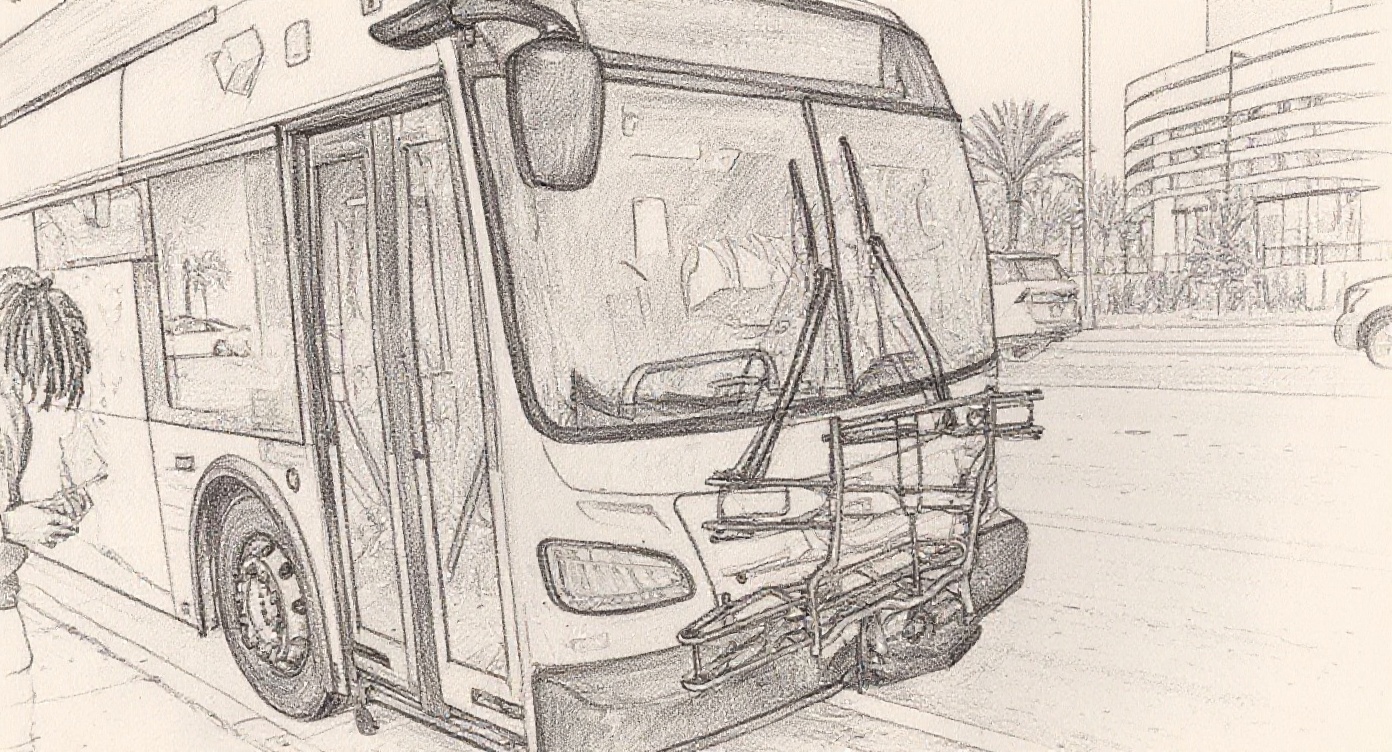
According to an April 2026 investigation by WLRN and the Miami Herald (a partnership with FIU's Caplin School of Journalism), Miami-Dade's Metrobus ridership declined every single month from October through December 2025, with drops ranging from 2% to 10% — more than two years after the launch of the so-called Better Bus Network, a redesign that was supposed to be Miami-Dade transit's great leap forward. Miami-Dade Transit acknowledged the problem in a statement, promising to invest in technology, recruit operators, and reduce overcrowding. Promises, in this city, are not timetables.
- Buses arriving 15 to 20 minutes late, per rider reports.
- Routes so overcrowded that wheelchair users cannot board.
- System so unpredictable that riders are simply giving up.
Miami is permitting density without the transit capacity to carry the people who will live there
Miami's Planning Director David Snow told commissioners last month that approximately 80 Live Local projects have already been permitted in the city, with two already under construction — while the bus network those buildings depend on loses riders month over month. The Miami City Commission voted unanimously in late June to explore a legal challenge to the Live Local Act, concerned it undermines Miami 21 and that "workforce housing" threshold rents of $1,300 for studios are out of reach for residents who actually need help. Both concerns are legitimate, but they miss the sharper problem.
- Live Local Act offers zoning preemptions and tax incentives to developers setting aside 40% of units as affordable rentals.
- Administrative approval under the law bypasses local review boards.
- HueHub in West Little River, near Northside Metrorail Station, priced at approximately $1,300 to $1,900 a month.
- Proximity to a train is a fiction if the connecting bus is overcrowded, unreliable, or doesn't show up.
When Miami runs reliable service, riders show up — and the county already has proof
On April 4th, when Inter Miami CF played its inaugural match at Miami Freedom Park's Nu Stadium, ridership at the Miami International Airport Metrorail Station surged more than 150% compared to the prior year, and overall Metrorail ridership climbed more than 16% above the April 2025 average. That is not a sports miracle. That is a reminder of what this system could do every single day — when the service is reliable, frequent, and people believe it will get them somewhere on time.
The commission must make bus reliability a precondition for density, not an afterthought
Every Live Local project permitted near a transit corridor should come with a binding commitment to fund the stop improvements, frequency upgrades, and operator staffing on the routes that will actually serve those buildings. Challenging Tallahassee is a long shot; fixing the buses is not. The commissioners weighing a legal fight against Live Local should redirect that energy. You cannot build a walkable, transit-accessible city on press releases and spikes on game day. You build it bus by bus, route by route, on-time arrival by on-time arrival. Miami's skyline is filling up. Its bus shelters are still empty of riders who stopped waiting.