There's a memo sitting on the desks of Miami-Dade County commissioners right now, and if you live in this county, you need to read it — or at least understand what it says.
Miami-Dade's transit funding crisis is a generational failure, not a surprise
WLRN reported that Mayor Daniella Levine Cava, in a memo co-authored with the Department of Transportation and Public Works, has laid out a stark reality: Miami-Dade's ambitious Strategic Miami Area Rapid Transit (SMART) program is in serious financial trouble, with the county estimating it is $7.6 billion short of what it needs to build, operate, and maintain five unfunded rapid transit corridors over the next 20 years. This memo is an acknowledgment of a generational failure of planning, dressed up in the language of fiscal responsibility.
- Miami-Dade voters approved a half-penny transportation surtax back in 2002 — never enough to close the gap.
- The SMART Plan, adopted in 2016, repackaged old aspirations without solving the underlying math.
- Five of the six planned corridors — the North, Beach, East-West, Kendall, and Northeast lines — still have no funding secured.
- The South Dade TransitWay, the one corridor actually built, moved forward while the other five languished in study phase limbo.
- Construction and labor costs have surged; the state has pulled back major transit funding.
- Commissioners are scheduled to discuss the memo at their July 21 meeting.
The funding options are uncomfortable but not unreasonable — the question is political spine
To cover the $7.6 billion gap, the memo floats two options: doubling the transportation sales tax from half a cent to a full penny, or creating a dedicated property tax for transit projects. A full-penny sales tax would align Miami-Dade with peer counties that invest more aggressively in transit infrastructure, and a dedicated property tax for transit is a model that has worked in cities from Atlanta to Denver. The real question isn't whether residents should pay more — it's whether county commissioners have the political spine to ask them to.
The Brightline commuter rail deal is wishful thinking with a price tag
The county's ongoing negotiations with Brightline to operate a commuter rail Coastal Link connecting Miami-Dade, Broward, and Palm Beach — a deal that could cost taxpayers upward of $33 million per year — is being pursued even as Brightline carries junk-bond debt ratings and even as the critical track-owner, Florida East Coast Railway, reportedly isn't even at the negotiating table. The county risks signing a contract built on a foundation that a third party hasn't agreed to. That's not transit planning; that's wishful thinking with a price tag.
Metrorail ridership proves the demand exists — what keeps evaporating is political will
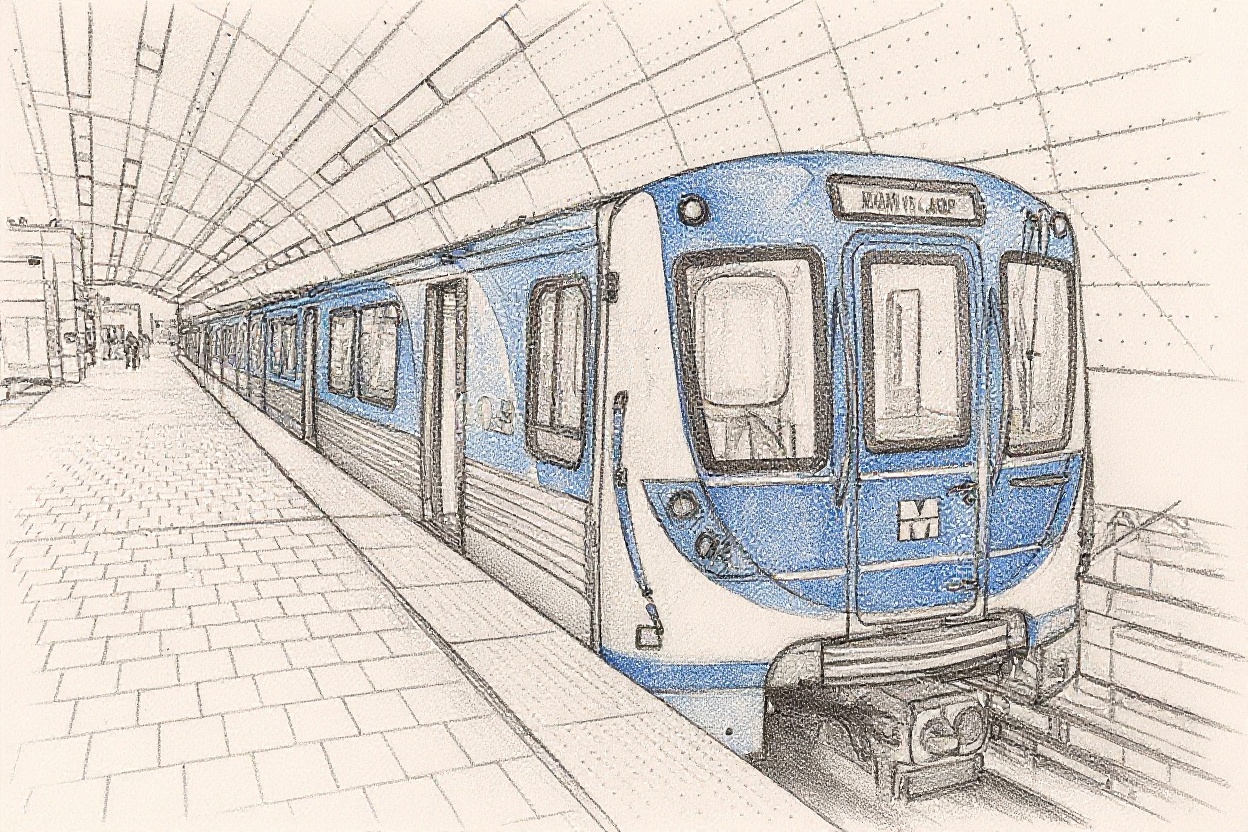
Metrorail continues to carry roughly 51,600 weekday riders, a respectable number for a system that hasn't meaningfully expanded in over a decade, which tells you something important: when you actually build transit in South Florida, people use it. Commissioners should walk into that July 21 meeting prepared to make a real choice, not schedule another round of studies.
- Miami-Dade cannot keep approving transit plans it cannot fund while traffic on I-95 worsens.
- Workers in Homestead, Kendall, and North Miami remain locked out of any viable alternative to their cars.
The $7.6 billion gap is not an obstacle. It's a test of whether this county's leadership finally means what it says.