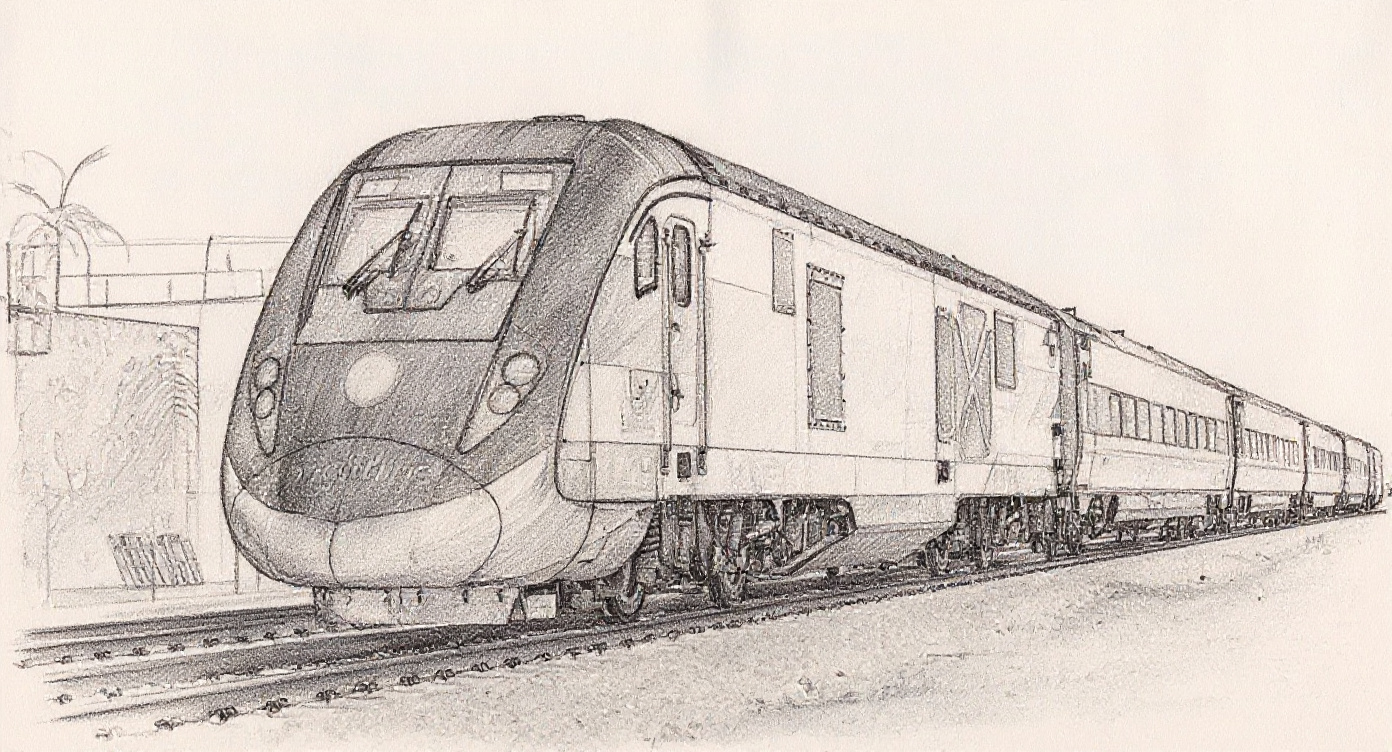
Brightline Florida reported nearly 1.5 million passengers from January through May 2026 — a 16% year-over-year gain — but the privately operated intercity rail service acknowledged in its May 2026 ridership report that ticket and ancillary revenues remain insufficient to cover operating costs and debt interest obligations.
Why is Brightline Florida in financial trouble despite growing ridership?
Brightline Florida's $5.5 billion total debt load is outpacing the revenue generated by its fare box and ancillary services, leaving the company unable to meet operating requirements and upcoming debt service payments even as passenger counts climb. The company's own May 2026 report stated plainly that Brightline "continues to need additional liquidity to address operating requirements, as well as upcoming debt service payments," a disclosure that underscores the widening gap between ridership momentum and financial sustainability.
- Total debt on the books: $5.5 billion
- Passengers carried, January through May 2026: nearly 1.5 million
- Year-over-year ridership growth through May 2026: 16%
- Ticket and ancillary revenues: insufficient to cover operating expenses and debt interest
What restructuring or bankruptcy options is Brightline exploring?
Multiple news outlets reported in mid-2026 that Brightline Florida is actively engaged in discussions around debt restructuring or a potential bankruptcy filing, signaling that the company's leadership and creditors are weighing options beyond ordinary refinancing. No formal bankruptcy petition or restructuring agreement had been announced as of the time of this report.
- Debt restructuring talks: reportedly underway with creditors
- Bankruptcy discussions: described as ongoing by multiple outlets
- No confirmed deal or court filing had been publicly disclosed
What does Brightline's financial strain mean for Downtown Miami commuters and riders?
For the thousands of South Florida commuters who rely on Brightline's Downtown Miami MiamiCentral station as their gateway to Fort Lauderdale, Boca Raton, West Palm Beach, and Orlando, the uncertainty surrounding the company's finances raises legitimate questions about service continuity, fare stability, and the long-term viability of intercity rail as a transit alternative in the region. Brightline operates as a private company without a public subsidy backstop, meaning any disruption to its capital structure could translate directly into service changes for riders.
- MiamiCentral station serves as Brightline's Downtown Miami hub
- Brightline operates without ongoing public operating subsidies
- Service to Orlando launched in 2023, adding long-haul revenue potential but also significant capital costs
What happens next for Brightline Florida?
Brightline Florida's immediate path forward depends on whether the company can secure additional liquidity — through new financing, an asset transaction, or a restructured debt agreement — before upcoming debt service deadlines force a more disruptive outcome. Riders and regional transit planners in Miami-Dade County and Broward County will be watching closely for any formal announcements from the company or its bondholders in the months ahead.
Original reporting on Brightline's ridership figures and financial disclosures was published by Yahoo Finance and Smart Cities Dive.