South Florida ranked first in the nation for multifamily and office construction intensity relative to existing stock in the second quarter of 2026, according to a report released July 14 by MIAMI REALTORS and its data platform RWorld.
What did the Q2 2026 South Florida commercial real estate report find?
The MIAMI REALTORS+ RWorld Q2 2026 South Florida Commercial Real Estate Market Report, published July 14, 2026, found the region outpaces every other U.S. metro in how aggressively new multifamily and office product is being added relative to what already exists — a signal of sustained developer confidence even as broader deal-making slowed.
- Overall commercial sales volume fell 13% year-over-year to $5.42 billion, with macroeconomic disruption linked to the U.S.-Iran conflict cited as a primary drag.
- Median sales price per square foot across all asset classes rose 1% year-over-year to $330.
- Multifamily led all asset classes in sales volume, recording $1.95 billion in transactions.
Why did overall sales volume fall despite strong construction activity?
MIAMI REALTORS attributed the 13% year-over-year decline in total commercial sales volume directly to macroeconomic turbulence stemming from the U.S.-Iran conflict, which has rattled capital markets and complicated deal financing across the country. The construction intensity figures, by contrast, reflect projects already underway — commitments made before the current uncertainty took hold.
What was Miami-Dade County's biggest commercial deal of the quarter?
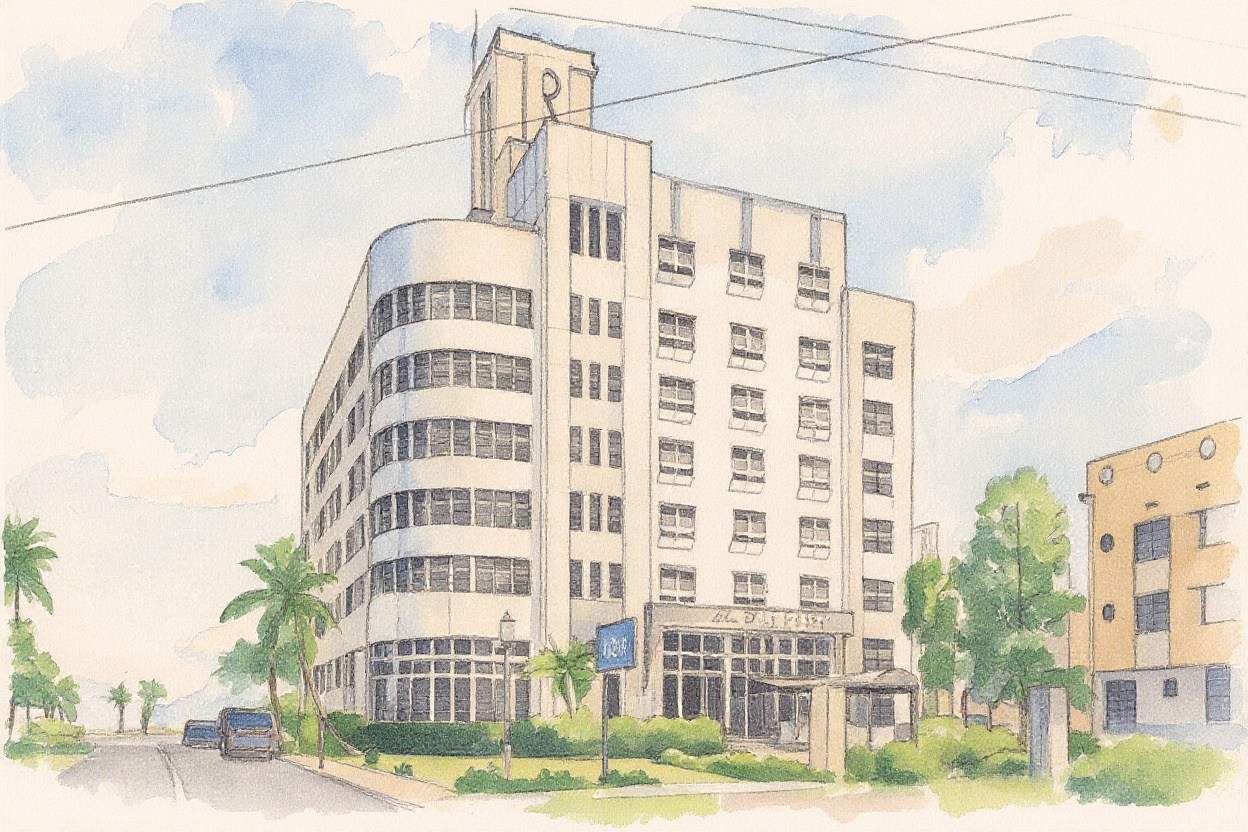
Miami-Dade County's largest single transaction in Q2 2026 was the $206 million sale of Biscayne Shores, a 380-unit multifamily property located on Biscayne Boulevard. The deal underscores continued investor appetite for large-scale residential assets along one of Miami's most prominent north-south corridors, even as the broader sales environment softened.
What does South Florida's construction lead mean for the region's housing and office supply?
Leading the nation in construction intensity means South Florida is adding new residential and office inventory faster — relative to its existing base — than any other major metro, which could gradually ease pressure on occupancy rates and rents if demand growth moderates. For transit planners and city officials, the pipeline of new multifamily units concentrated in Miami-Dade County also raises questions about whether bus, rail, and road infrastructure can keep pace with an expanding residential population.
The original data and analysis were published by MIAMI REALTORS on July 14, 2026.