The Urban Land Institute (ULI) Southeast Florida/Caribbean District Council has named six transformative developments as standout projects shaping South Florida and the Caribbean, spotlighting the region's most pressing urban challenges as it hosts ULI's 2026 Fall Meeting.
What is ULI recognizing and why does it matter for South Florida?
The Urban Land Institute (ULI) Southeast Florida/Caribbean District Council selected six landmark projects through its Vision Awards program to illustrate how the region is confronting simultaneous pressures of rapid population growth, worsening housing affordability, climate vulnerability, and deteriorating infrastructure. The awards coincide with ULI's 2026 Fall Meeting, which the Southeast Florida/Caribbean District Council is hosting, elevating the region's profile on a national stage.
- Vision Awards highlight responsible development models amid intense building pressure across Miami-Dade and surrounding counties.
- South Florida's challenges — sea-level rise, aging transit corridors, and affordability gaps — make the recognized projects especially consequential.
- The 2026 Fall Meeting places regional planners, developers, and policymakers in direct conversation with national ULI members.
What is Grove Central and why is it among the featured projects?
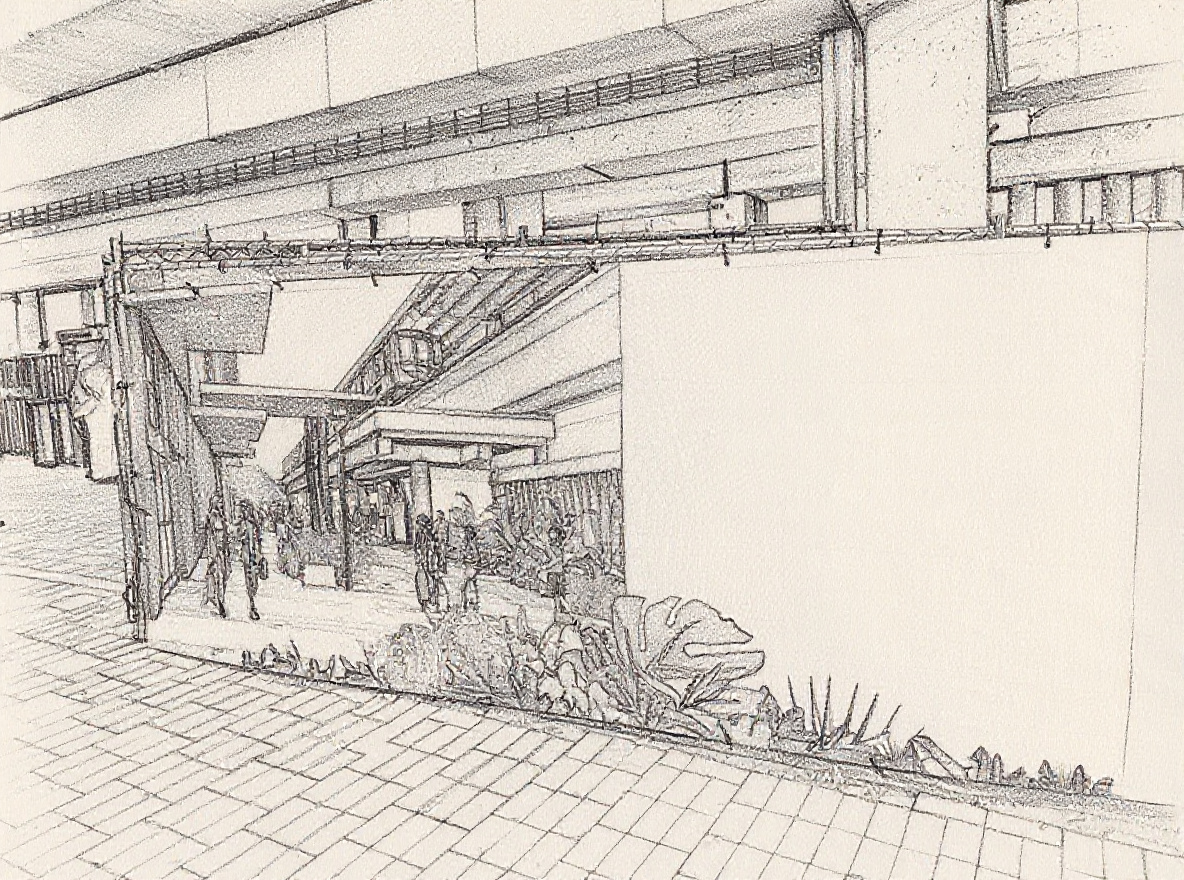
Grove Central, a transit-oriented mixed-use redevelopment located directly adjacent to the Coconut Grove Metrorail Station in Miami-Dade County, earned recognition as one of the six featured projects for its role in linking dense urban development with existing public transit infrastructure. The project represents a model the region is increasingly pursuing: concentrating housing and commercial activity around rail stations to reduce car dependency and address affordability near established neighborhoods.
- Placement next to the Coconut Grove Metrorail Station connects future residents directly to Miami-Dade Transit's heavy-rail network.
- Transit-oriented development at Grove Central reflects a broader strategy to maximize underused land around existing public infrastructure.
- Coconut Grove sits in one of Miami's most sought-after corridors, making affordability at this node a particularly high-stakes question.
What broader urban pressures is South Florida trying to solve?
South Florida is managing a convergence of challenges that make responsible development more urgent than in most American metros: rapid in-migration is straining housing supply, climate change is forcing costly resilience investments, and aging infrastructure — including transit — is limiting the region's capacity to absorb growth sustainably. The ULI Southeast Florida/Caribbean District Council's recognition of these six projects signals that the development community views design-driven, transit-connected solutions as essential tools, not optional enhancements.
- Housing affordability has worsened significantly as domestic migration into Miami-Dade accelerated through the early 2020s.
- Climate resilience — including flood mitigation and heat reduction — is now a baseline expectation for major developments in the region.
- Infrastructure constraints, particularly in public transit, remain a structural bottleneck limiting where and how densification can responsibly occur.
What should Miami residents watch for next?
The 2026 Fall Meeting gives Southeast Florida's development and planning community a platform to shape national conversations about Sun Belt urbanism, and the six recognized projects will likely influence local policy discussions around zoning, transit investment, and affordable housing mandates in the months that follow. Residents and advocates tracking Miami-Dade Transit expansion, Coconut Grove redevelopment, and regional climate planning should monitor whether the visibility generated by ULI recognition translates into accelerated public investment or updated land-use policy.
Original reporting on the six featured projects and the ULI Southeast Florida/Caribbean District Council's Vision Awards was published by Urban Land Magazine / ULI.