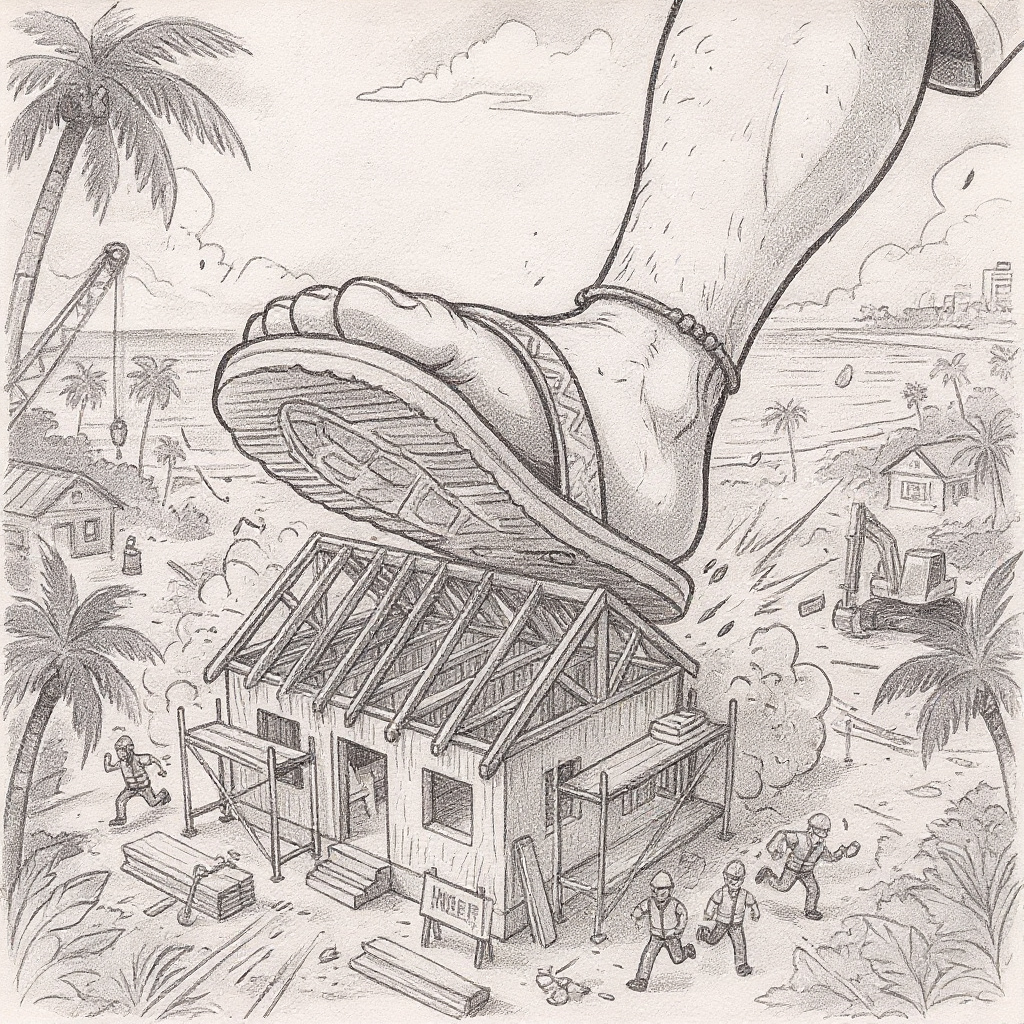
A surge of high-density residential construction is triggering organized opposition across South Florida, particularly in the West Palm Beach area, as towers push deeper into established neighborhoods under the authority of Florida's 2023 Live Local Act, according to a September 16, 2026 Commercial Observer analysis.
How many towers are actually being built in South Florida neighborhoods?
At least nine towers have been completed in residential neighborhoods since 2019, with more than ten additional projects currently under construction and nine further developments already carrying approval to proceed. The scale of the pipeline means residents in affected areas face years of continued building activity even before new proposals are filed.
- Nine towers completed in residential neighborhoods since 2019
- More than ten towers actively under construction as of September 2026
- Nine additional developments already approved and awaiting groundbreaking
What is the Live Local Act and why are critics blaming it for the backlash?
Florida's Live Local Act, signed into law in 2023, allows developers to bypass local zoning ordinances in order to build higher-density residential projects — a power critics say has been applied broadly without delivering meaningful affordability gains for households earning below 120 percent of area median income. The law was designed to accelerate housing supply statewide, but opponents argue it has handed developers a tool to override community input while failing the residents who need cost relief most.
- The Live Local Act overrides local zoning, removing municipal veto power over qualifying projects
- Critics say affordability protections do not reach households below 120% of area median income
- The law's reach extends from Palm Beach County south through Miami-Dade and Broward counties
What does this trend mean for transit-adjacent development in Miami-Dade and Broward?
The rising community resistance documented in Palm Beach County carries direct implications for transit-oriented development projects in Miami-Dade County and Broward County, where local planners and transit advocates have long sought to concentrate density near rail and bus corridors. If the NIMBY coalition building in Palm Beach spreads southward — and the legal and political playbook travels with it — projects planned near Metrorail stations, Brightline stops, and South Florida Regional Transportation Authority (SFRTA) Tri-Rail corridors could face new layers of organized opposition and delay.
- Miami-Dade and Broward transit-adjacent projects rely on the same Live Local Act density provisions drawing fire in Palm Beach
- A broader political backlash could pressure the Florida Legislature to revisit or amend the 2023 law
- Local zoning boards stripped of authority under Live Local have limited tools to mediate community concerns
The original reporting and analysis were published by Commercial Observer on September 16, 2026.