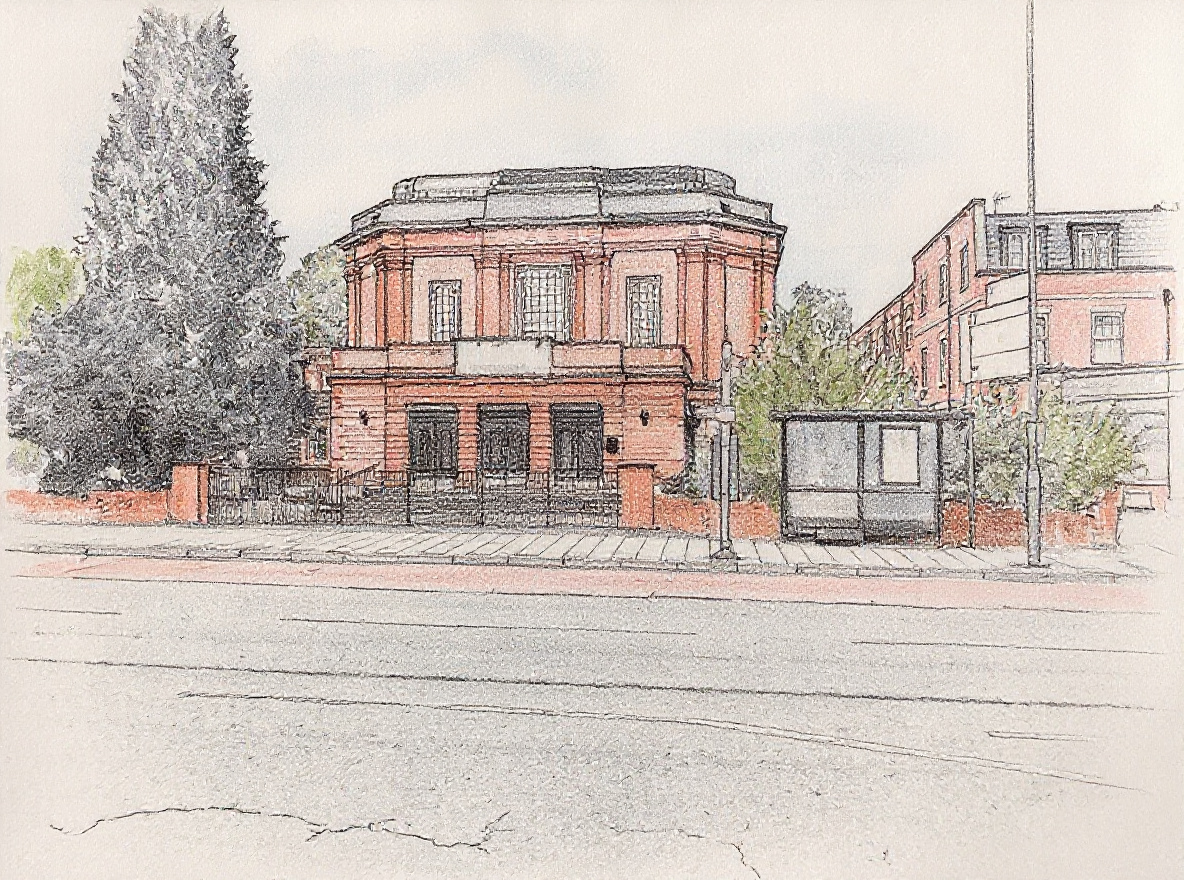
Miami city commissioners voted on July 13, 2026, to approve Miami-Dade County's $58.4 million redevelopment plan for the Coconut Grove Playhouse, ending more than twenty years of stalled negotiations over the fate of one of South Florida's most storied cultural landmarks.
What exactly did Miami commissioners approve?
The commission cleared nine separate land-use hurdles — five zoning exceptions and four waivers — to allow Miami-Dade County to move forward with a mixed-use revival of the 1926 playhouse site at the edge of Coconut Grove. The approved plan preserves the building's century-old Mediterranean Revival façade while adding a full slate of new uses.
- New 310-seat performance venue anchors the cultural programming
- Retail and office space woven into the redeveloped footprint
- An educational component tied to performing arts programming
- An open-air public plaza designed for community activation
- A 289-space parking garage to serve the surrounding neighborhood
Why has the Coconut Grove Playhouse sat dormant for so long?
The Coconut Grove Playhouse, which opened in 1926, closed its doors in 2006 after its nonprofit operator ran into severe financial difficulties, triggering a prolonged dispute between the state of Florida, Miami-Dade County, and various preservation and community groups over who would control the building's future and what form any revival would take. Competing visions, ownership questions, and historic-preservation constraints kept the site vacant and deteriorating for nearly two decades before the July 13, 2026, commission vote broke the deadlock.
What does this mean for the West Grove community?
Project planners have framed the redevelopment as a deliberate effort to reconnect the playhouse with the historically Black West Grove neighborhood that surrounds it — a community that long felt excluded from the cultural institution on its doorstep. The open-air plaza and educational component are specifically intended to lower the barrier between the venue and local residents, though advocates will likely watch closely to ensure those commitments survive construction and programming decisions.
What happens next for the $58.4 million project?
With city commission approval secured, Miami-Dade County can now advance the $58.4 million project through the design-development and permitting phases. No construction start date has been publicly confirmed following the July 13, 2026, vote. The project's scale — combining a performance venue, commercial space, civic plaza, and structured parking behind a landmarked façade — means the construction timeline will depend heavily on contractor procurement and any additional state or federal funding coordination.
Original reporting by World Red Eye / The Real Deal Miami.