City of Miami officials have moved simultaneously to protect a Brickell pocket park's tree canopy and approve a permit for a new 3,000-square-foot restaurant connected to the team behind New York's Michelin-starred Rezdôra, highlighting the neighborhood's intensifying struggle between green-space preservation and development.
What did Miami officials decide about the Brickell pocket park?
City of Miami officials granted a formal reprieve to a Brickell pocket park specifically to preserve its existing trees, blocking development that would have threatened the green space. The decision signals at least a temporary victory for preservation advocates who have long argued that Brickell's rapid high-rise buildout is systematically eliminating the neighborhood's remaining canopy cover.
What is the Rezdôra-linked restaurant coming to Brickell?
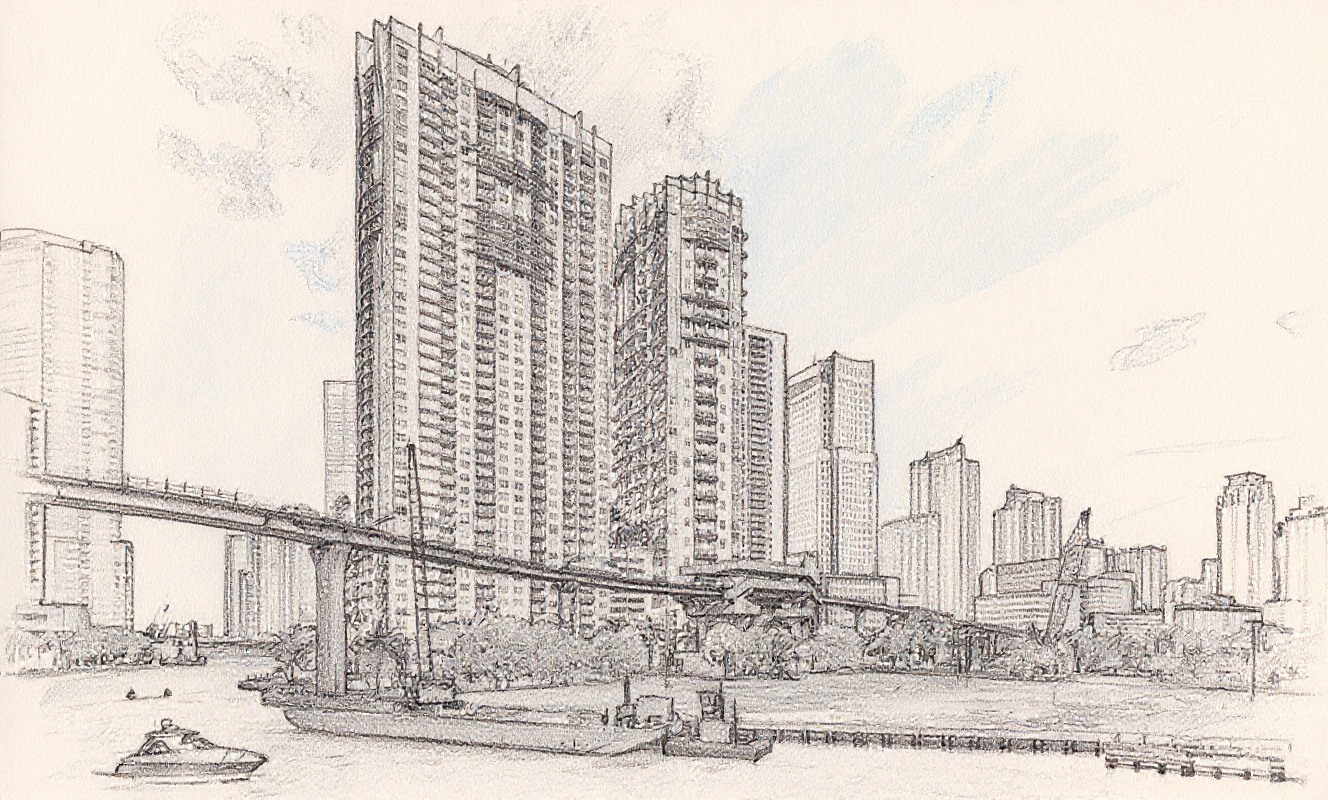
The City of Miami approved a building permit for a new restaurant developed by the team behind Rezdôra, the Michelin-starred Italian dining destination in New York City, to be located at Allen Morris Brickell Park — described as one of Brickell's last significant remaining green spaces. The approved permit covers a 3,000-square-foot footprint and sets an occupancy cap of 132 people, placing the venue firmly in fine-dining territory rather than a high-volume casual concept.
- Permit size: 3,000 square feet of interior restaurant space.
- Occupancy cap: 132 people maximum under the approved permit.
- Culinary pedigree: the team behind Rezdôra, a Michelin-starred restaurant in New York City.
- Location: Allen Morris Brickell Park, one of Brickell's last sizable green spaces.
Why do these two decisions matter for Brickell's future?
The dual rulings lay bare the core tension reshaping Brickell: high-end commercial operators and developers are drawn precisely to the neighborhood's remaining open spaces, while city officials face mounting public pressure to protect that same greenery. Allen Morris Brickell Park's role as a restaurant site raises questions about how much of its green character will survive construction and activation of a 132-person dining venue.
- Brickell has lost substantial tree canopy to decades of condominium and office tower construction.
- Pocket parks in dense urban cores provide measurable cooling, stormwater absorption, and air-quality benefits.
- The restaurant approval and the park reprieve were granted in the same decision-making cycle, underscoring the city's conflicting priorities.
What should Brickell residents watch next?
Residents and advocates should monitor whether the pocket park reprieve carries enforceable long-term protections or simply delays a future development application. The restaurant project at Allen Morris Brickell Park will also draw scrutiny during the construction and permitting phases to determine how the park's remaining green elements are maintained alongside a commercial dining operation.
Original reporting by Axios Miami.