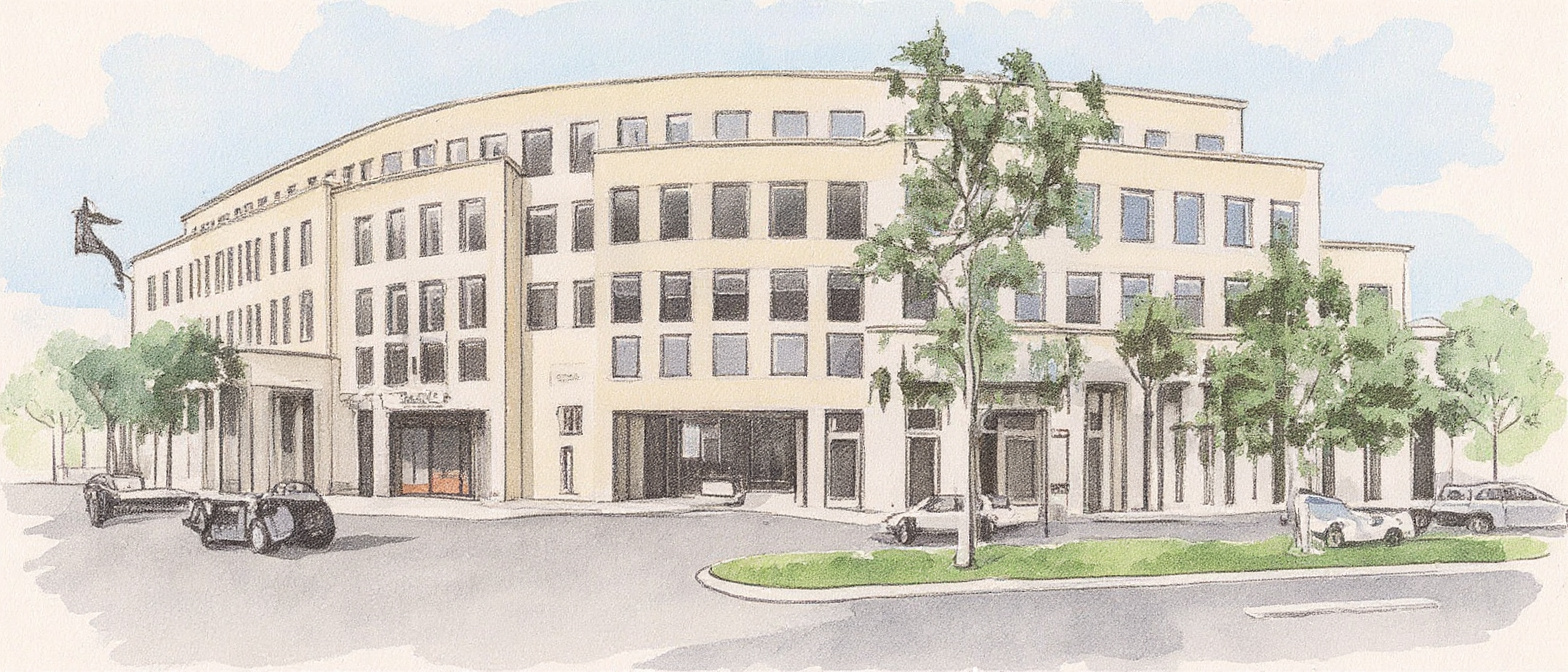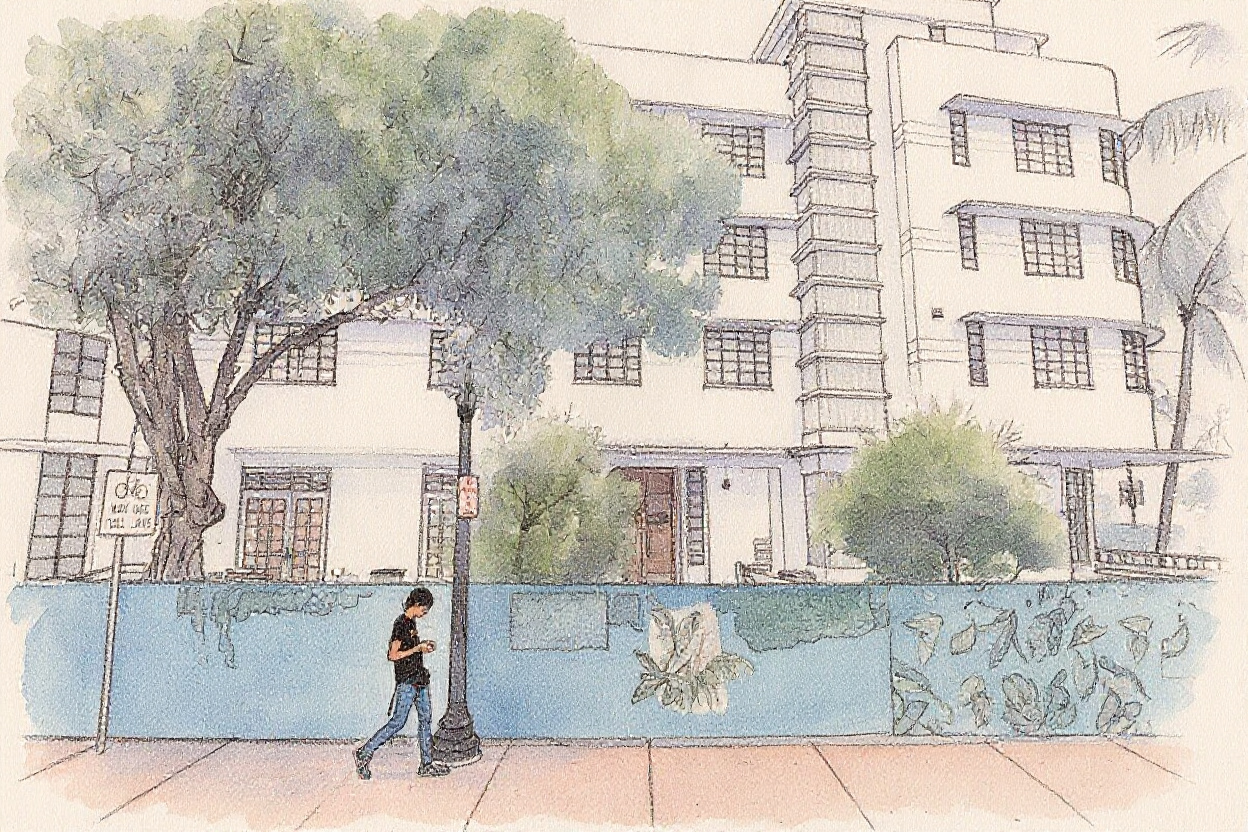
A lawsuit pitting Miami Beach against developer Pebb Capital is forcing Florida courts to decide how the Live Local Act (LLA) applies when a proposed high-rise spans more than one parcel—a question with sweeping implications for similar projects across the state.
What is the legal dispute at 1501 Collins Avenue about?
Pebb Capital wants to build a 25-story mixed-use tower at 1501 Collins Avenue in Miami Beach, but the city contends that the LLA review must treat the development site—which includes the historic 1939 Art Deco Bancroft Hotel and the adjacent Ocean Steps property—as a single combined parcel. That interpretation would require Pebb Capital to obtain consent from neighboring condominium owners before the project could advance. Pebb Capital rejects that reading and has taken the disagreement to court.
- The Bancroft Hotel, built in 1939, sits directly adjacent to the proposed tower footprint.
- Miami Beach's single-parcel argument would impose a consent requirement that could effectively block the project.
- Pebb Capital argues the city's parcel-combination rule misreads the Live Local Act's intent.
What would the tower actually look like?
Designed by the internationally recognized firm Adrian Smith + Gordon Gill Architecture, the proposed 1501 Collins Avenue tower would add more than 400,000 square feet of new construction to Miami Beach's South Beach corridor. The building would contain 124 residences, of which 50 units would be classified as workforce housing averaging approximately 470 square feet each—the minimum threshold required to invoke the LLA's density and height benefits.
- Total residential units: 124, including 50 workforce-designated units.
- Average workforce unit size: approximately 470 square feet.
- New construction footprint: more than 400,000 square feet.
- Architect of record: Adrian Smith + Gordon Gill Architecture.
Why does this case matter beyond Miami Beach?
The outcome of this litigation could set a statewide precedent for how Florida municipalities assess LLA projects that involve assembled lots or multiple adjacent parcels. The LLA, enacted by the Florida Legislature to accelerate workforce and affordable housing production, pre-empts many local zoning restrictions—but it leaves room for cities to dispute how a qualifying site is defined. Miami Beach's stance, if upheld by the courts, would give other cities a legal tool to slow or block LLA projects by requiring broader neighbor consent whenever a developer consolidates parcels.
- A ruling favoring Miami Beach could be cited by municipalities statewide seeking to limit LLA density bonuses.
- A ruling favoring Pebb Capital would reinforce the LLA's intent to streamline housing approvals.
- The case highlights an unresolved tension between state housing policy and local land-use authority.
What happens next for the project?
The dispute remains active in court, and no ruling has been issued. The Bancroft Hotel's historic Art Deco character adds an additional layer of community concern, since any tower rising immediately beside a protected 1939 structure will face scrutiny from Miami Beach's preservation-minded residents and the Miami Design Preservation League. The project's timeline depends entirely on how the courts resolve the parcel-review question.
Original reporting on this story was published by Hoodline.