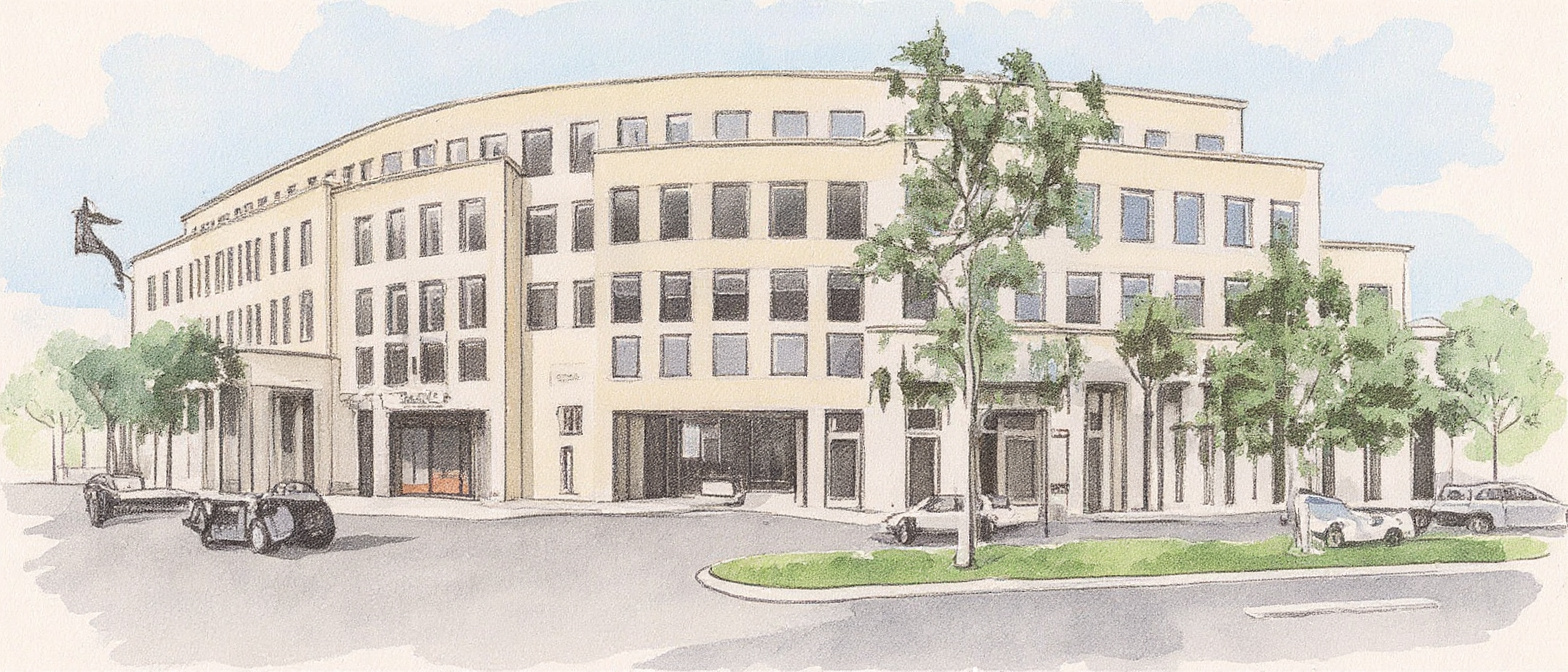
Fort Lauderdale's city commission was poised to vote last week on approvals for two separate affordable housing developments that together would add 210 apartments to the city's constrained housing stock.
What are the two affordable housing projects Fort Lauderdale's commission was set to vote on?
McDowell Housing Partners is seeking a $640,000 opportunity loan from the city to support Ekos Melrose Manor, a 110-unit development planned for West Broward Boulevard, while a joint venture among Housing Trust Group, Elite Equity Development, and Greg Brewton & Associates is requesting a rezoning to develop 100 affordable units in Progresso Village, a historically Black neighborhood just north of downtown Fort Lauderdale.
- Ekos Melrose Manor is being advanced under Florida's Live Local Act, the 2023 state law designed to streamline and incentivize affordable housing construction.
- The Progresso Village project would be funded through the city's Community Redevelopment Agency.
- Residents served by the Progresso Village development would need to earn no more than 80 percent of Broward County's area median income — roughly $82,000 annually, based on the county's published AMI of $102,500.
- The city commission was scheduled to take up both measures during the week of June 30.
How does the Live Local Act factor into these approvals?
Governor Ron DeSantis signed the Live Local Act into law in 2023, and it has become a frequently used tool for developers seeking to accelerate approvals by allowing them to bypass certain local zoning restrictions that might otherwise delay or block projects in established neighborhoods.
- Developers can bypass certain local zoning restrictions by meeting the statute's affordability requirements.
- The law limits local governments' ability to block qualifying projects.
How does the Progresso Village project's CRA funding work?
The Progresso Village proposal leans on the city's redevelopment apparatus, with CRA districts channeling a portion of property tax revenue generated by rising land values back into targeted neighborhoods, giving municipalities a funding mechanism to support projects that might not otherwise pencil out for private developers.
Why are these projects significant for Fort Lauderdale and South Florida?
Together, the two projects reflect a continued push by Fort Lauderdale officials and private developers to chip away at a regional affordable housing shortage that has intensified alongside rapid rent growth across South Florida.
- Broward County, like Miami-Dade to the south, has seen housing costs outpace wage growth for working- and middle-class residents.
- Demand for income-restricted units has been pushed well beyond current supply.
Original reporting by The Real Deal Miami.